Showing posts with label travel diary. Show all posts

Tuesday, February 24, 2026

Isle of Wight, England


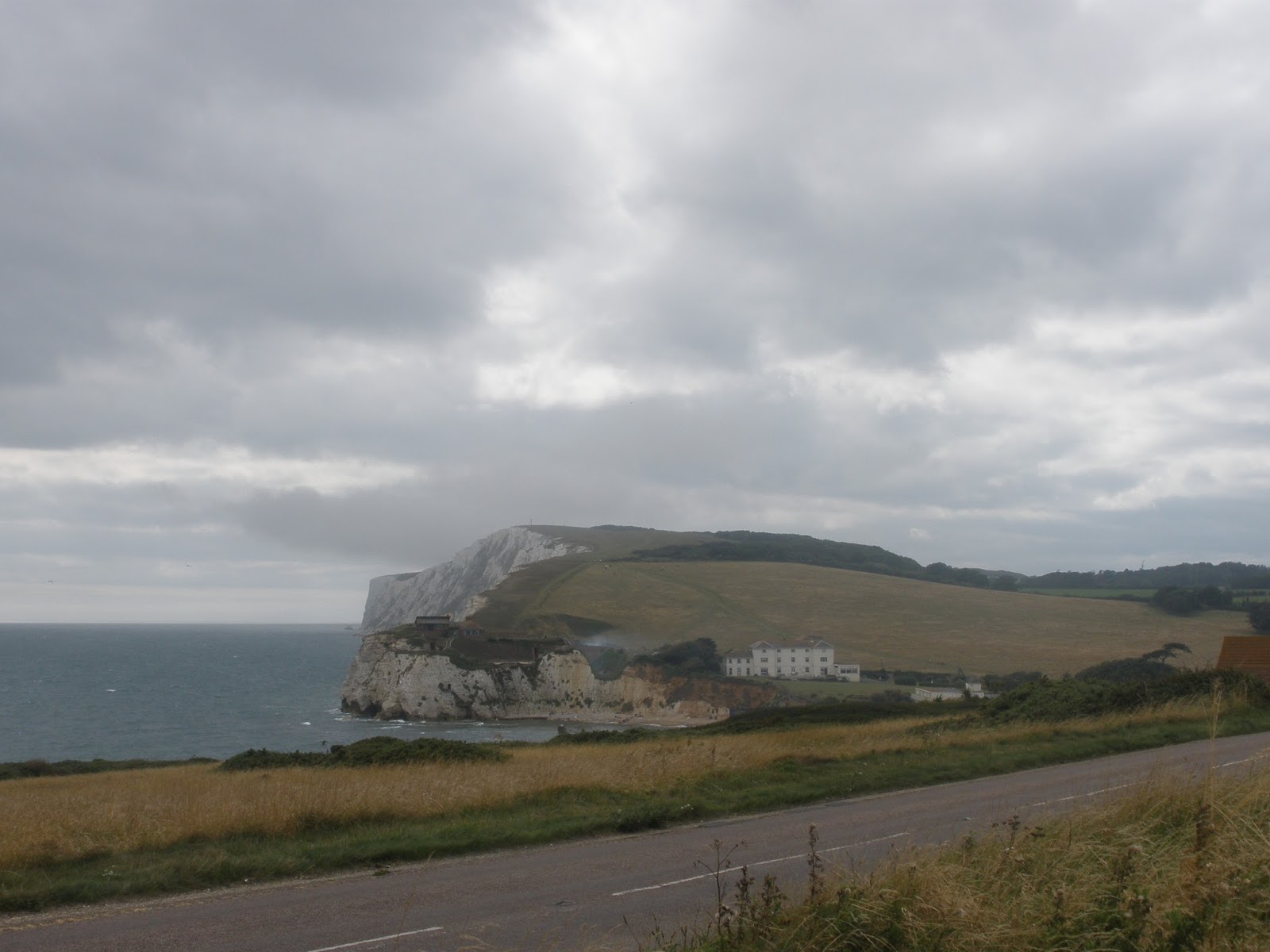
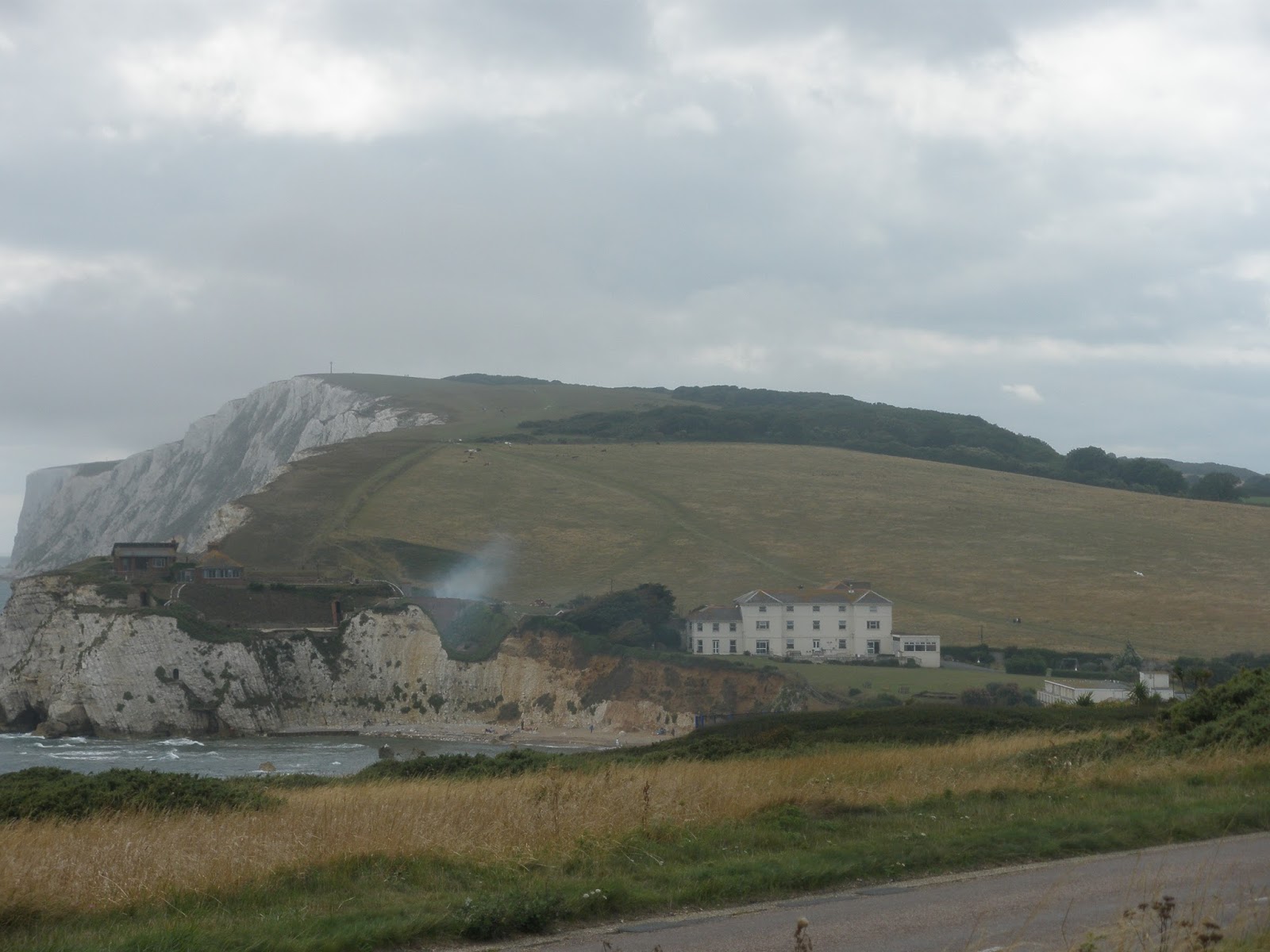
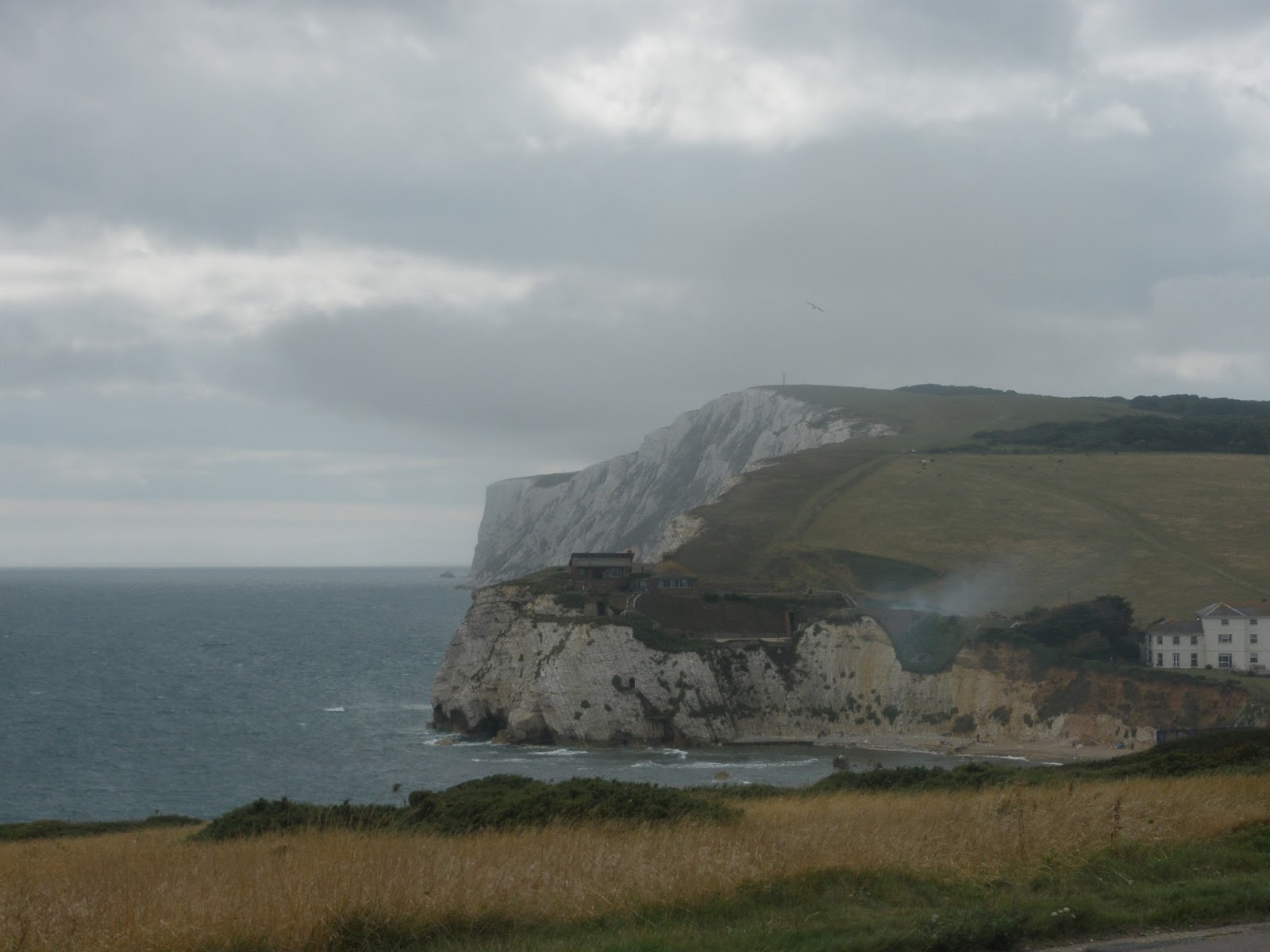
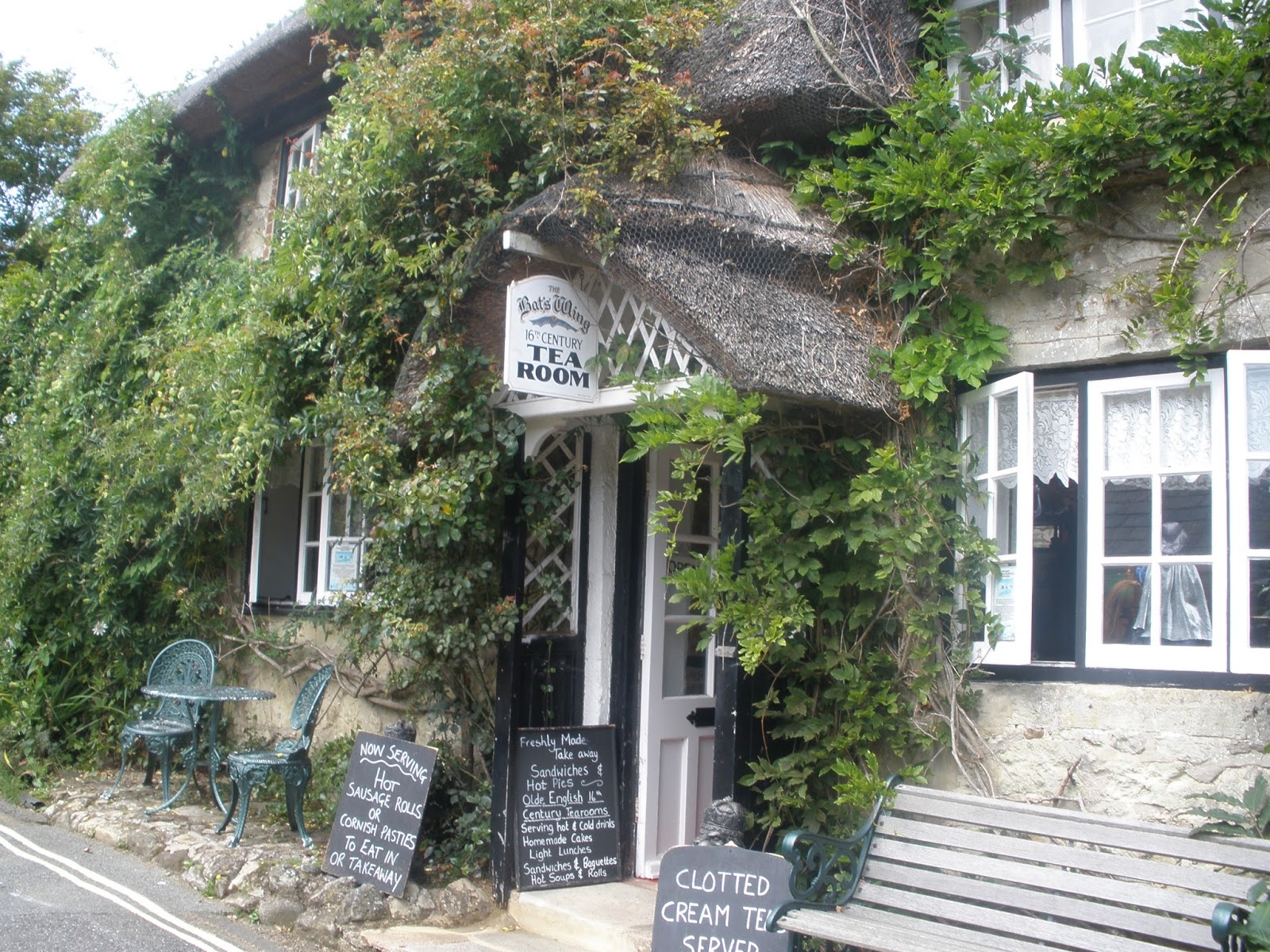
A Day on the Isle of Wight: Sunlight, Seabreeze, and Quiet Magic

It’s been about fourteen years now, but that day trip to the Isle of Wight still sits in my memory like a pressed flower — soft around the edges, sun‑warmed, and quietly perfect. We crossed over early, eager for a simple day of wandering, photographing, and soaking in whatever the island wanted to offer. No itinerary, no rush. Just the two of us, our cameras, and that familiar excitement that comes whenever we step into a new place.

The town we visited was quaint in the loveliest way — peaceful but not deserted, lived‑in without feeling crowded. The kind of place where the streets seem to breathe, where every window box and crooked lane feels like it has its own small story. The day was warm, the skies a soft English blue, and the air carried that unmistakable seaside scent: salty, crisp, and clean, like the sea itself had leaned in to kiss our cheeks.

We wandered slowly, letting the town unfold around us. Past stone cottages with climbing roses, past little shops with hand‑painted signs, past the teashop we’d been so excited to visit. It was everything we hoped for — cozy, fragrant, and welcoming, the sort of place where time seems to loosen its grip. We lingered over our cups, savoring the moment as much as the tea.

Afterward, we walked along the water, taking pictures of anything that caught our eye — the curve of the shoreline, and the way the sunlight shimmered on the waves,. The sea breeze wrapped around us, cool and bright, carrying the distant cries of gulls and the soft hush of the tide. It was one of those rare days where everything feels aligned — the weather, the mood, the company, the simple joy of being somewhere new.

Travel has always been that for us: a way of gathering little pieces of the world, whether it’s a grand city or a tiny village, a long journey or a single afternoon. We make the most of every place we’re fortunate enough to stand in, and the Isle of Wight was no exception. It was gentle, beautiful, and quietly memorable — the kind of day that stays with you long after you’ve gone home.


Folklore of the Isle of Wight

The Isle of Wight is small, but its folklore is wonderfully rich — a mix of sea‑legends, ghost stories, and old island mysteries that have drifted through generations.


The Ghostly Monks of Appuldurcombe

Not far from where many visitors wander, Appuldurcombe House is said to be haunted by the spirits of monks who once lived on the land long before the grand estate was built. People claim to see robed figures gliding through the ruins at dusk, silent and watchful, as though still tending to the grounds they once called home.

The Mermaid of Freshwater Bay

Local legend tells of a mermaid who lived in the waters near Freshwater Bay. She was said to be gentle but lonely, often seen combing her hair on the rocks at twilight. Fishermen believed that spotting her meant calm seas and safe passage — a blessing from the deep.

The Dragon of St. Catherine’s Down

One of the island’s oldest tales speaks of a dragon that once lived on St. Catherine’s Down. According to the story, it carved deep grooves into the hillside as it coiled and uncoiled its massive body. Some say the marks can still be traced today, softened by time but not erased.

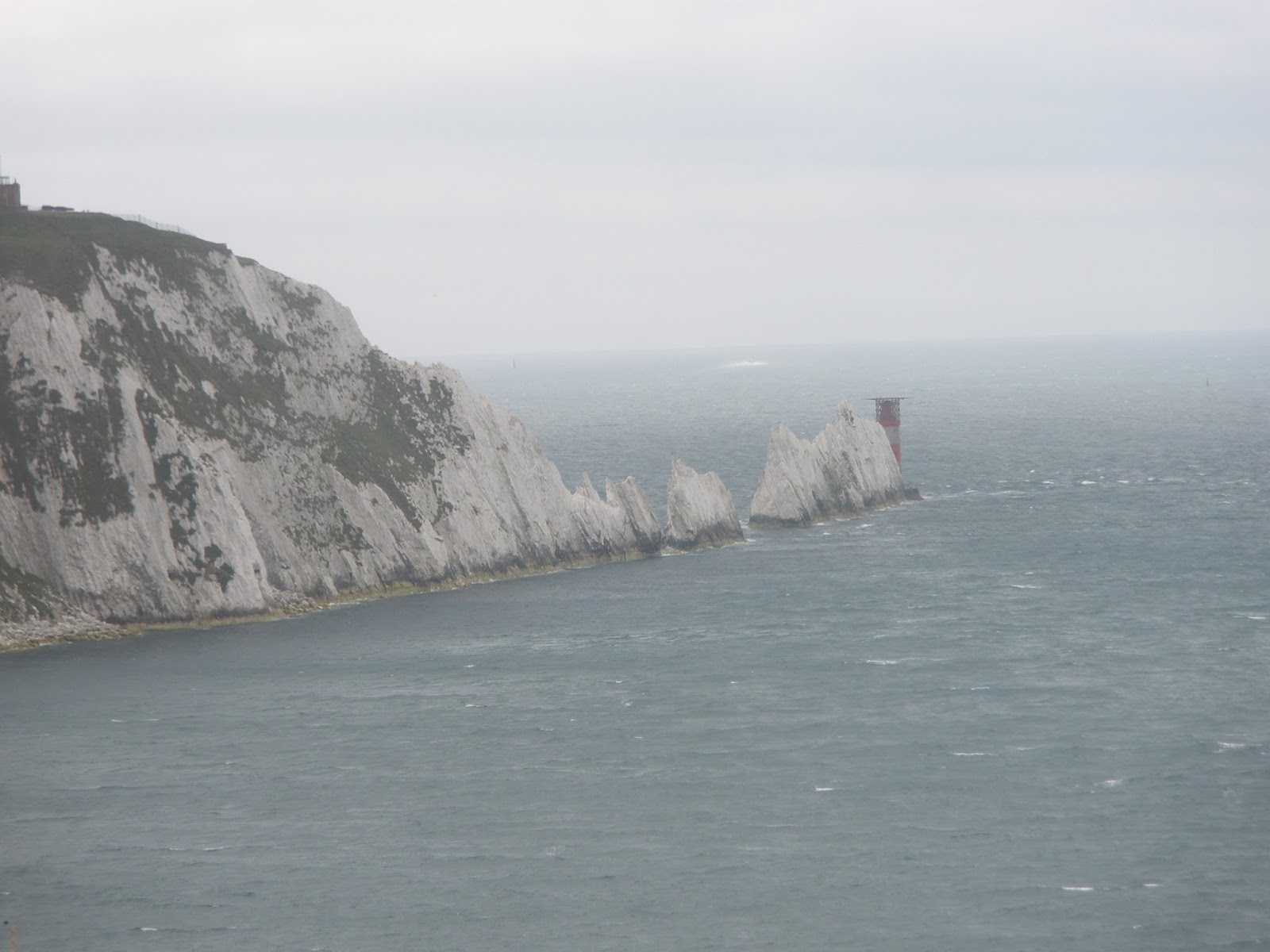
The Ghost Ship of the Needles

Sailors have long whispered about a phantom ship that appears near the Needles during stormy weather. It glows faintly in the mist, drifting silently before vanishing without a trace. Some believe it’s the spirit of a vessel lost centuries ago, forever trying to find its way home.

Saturday, February 21, 2026

Glastonbury Abbey, England


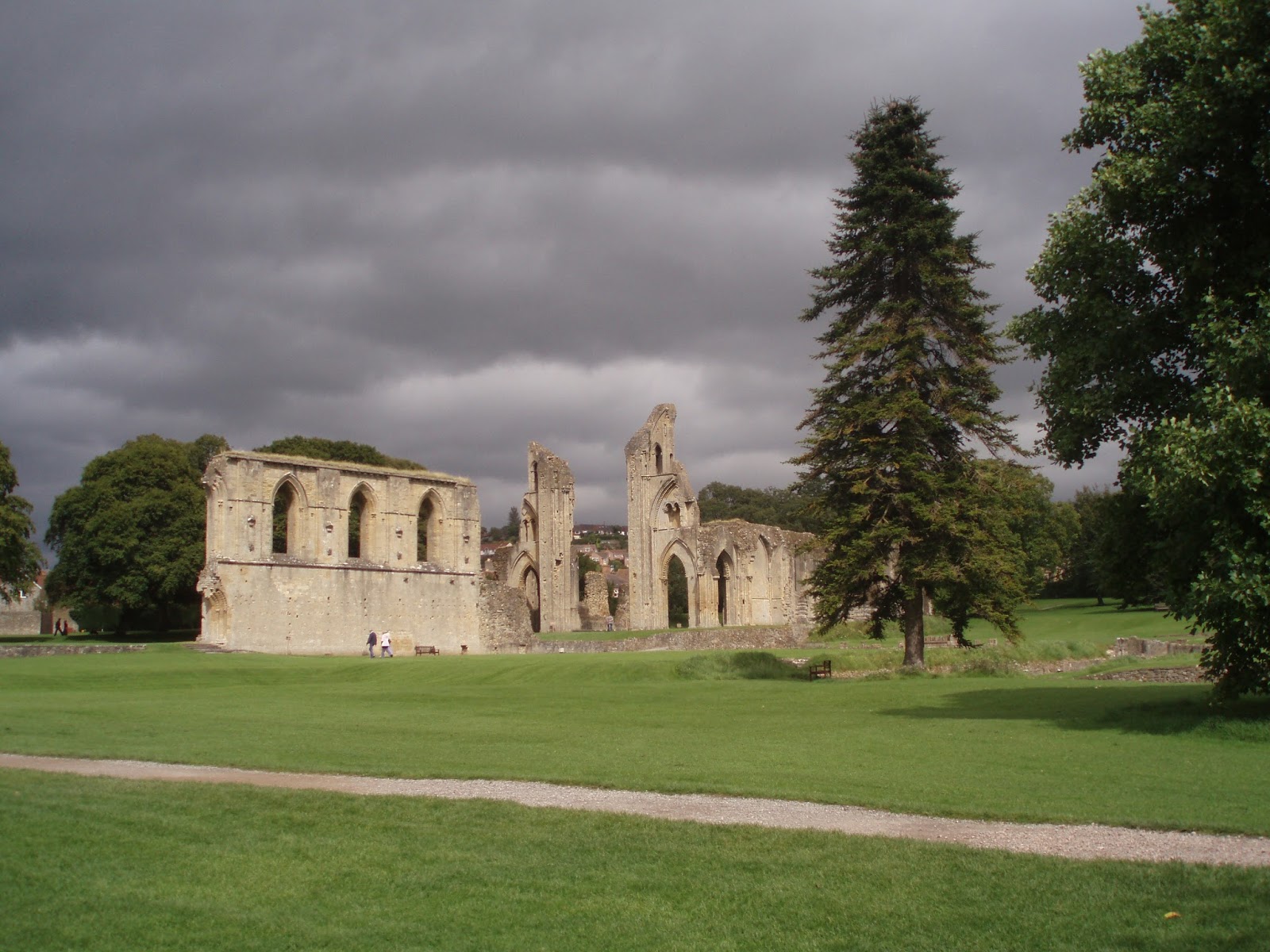
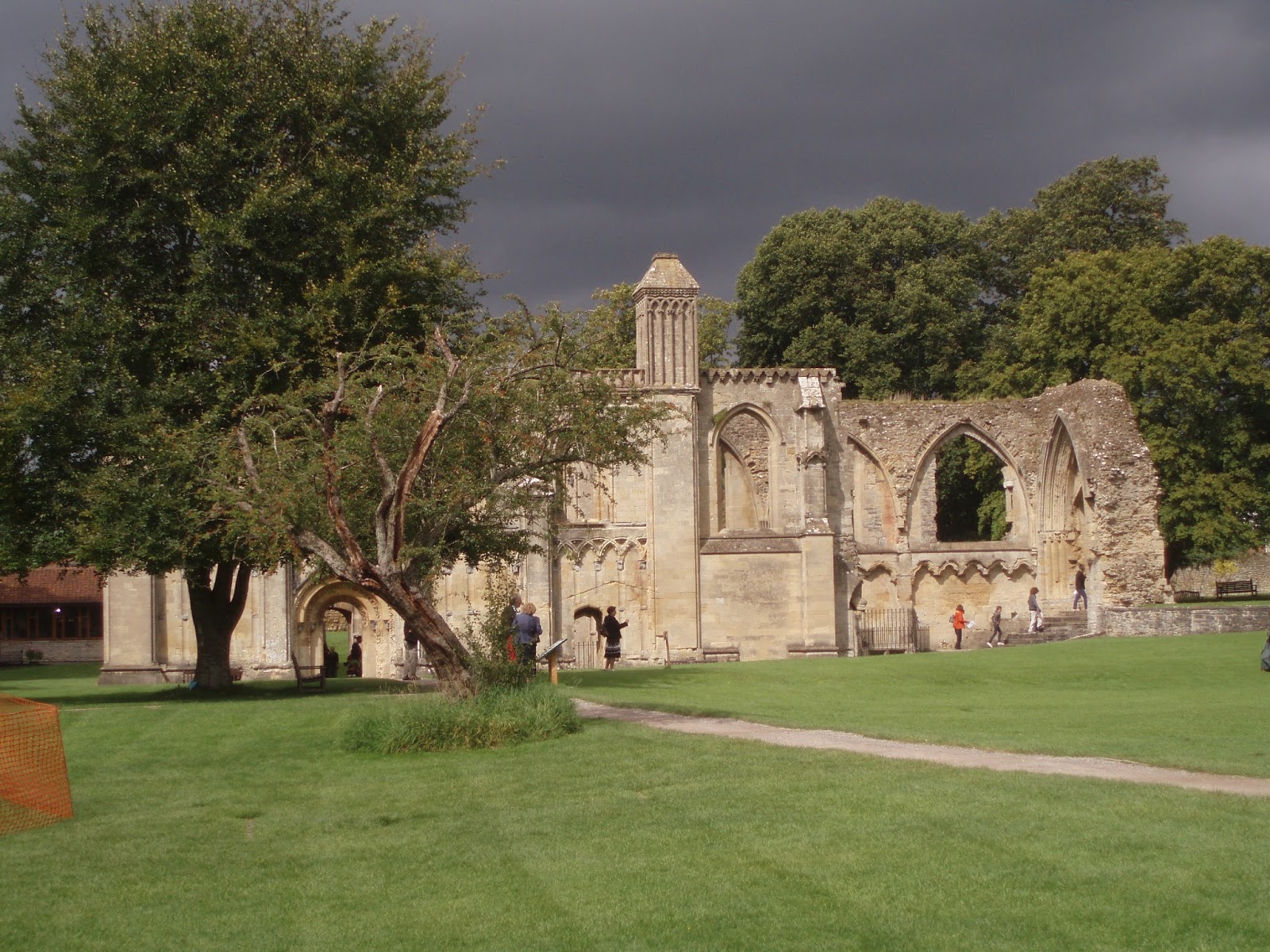
Glastonbury Abbey – England

Where history, myth, and spirit braid together.

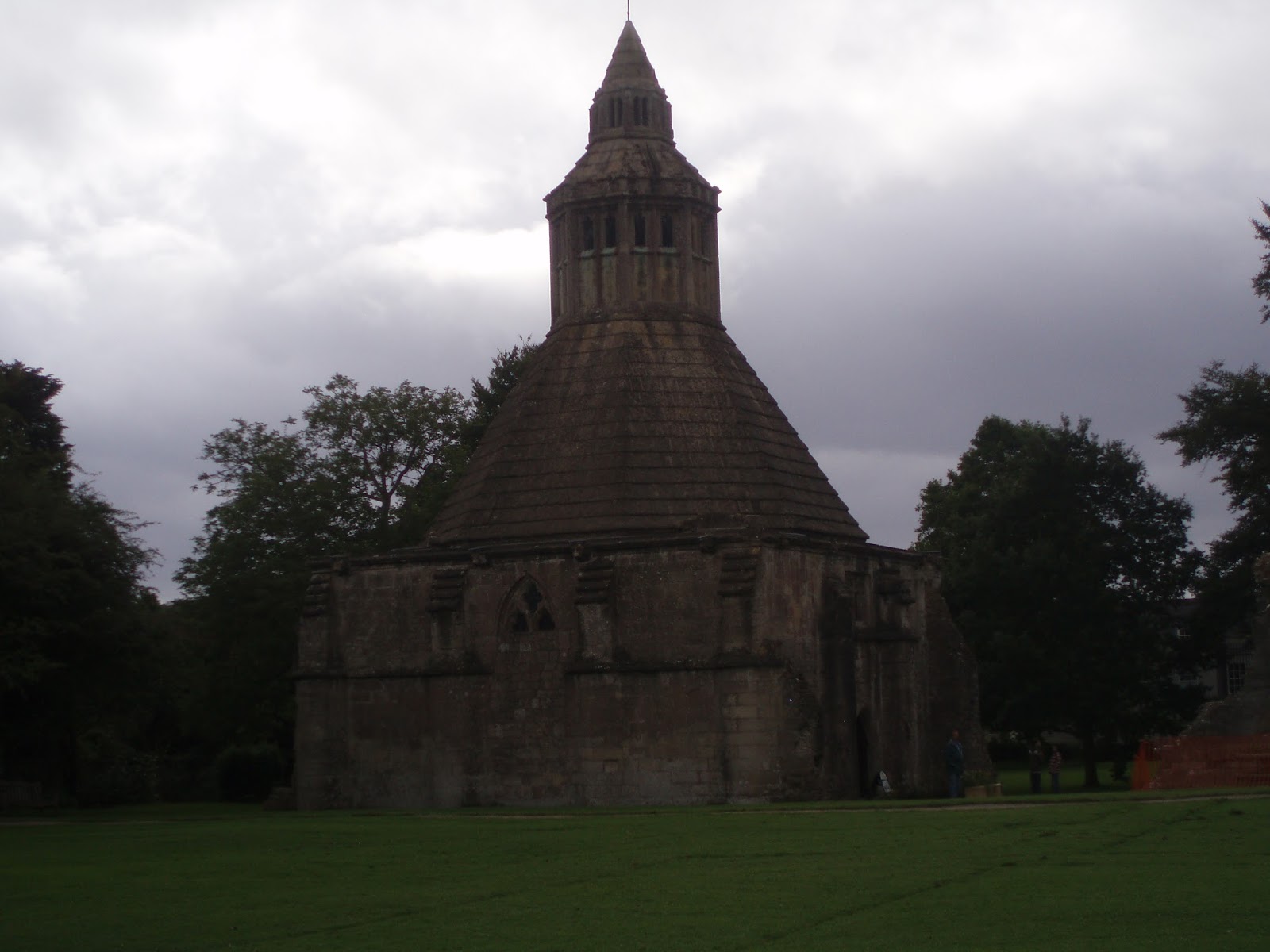
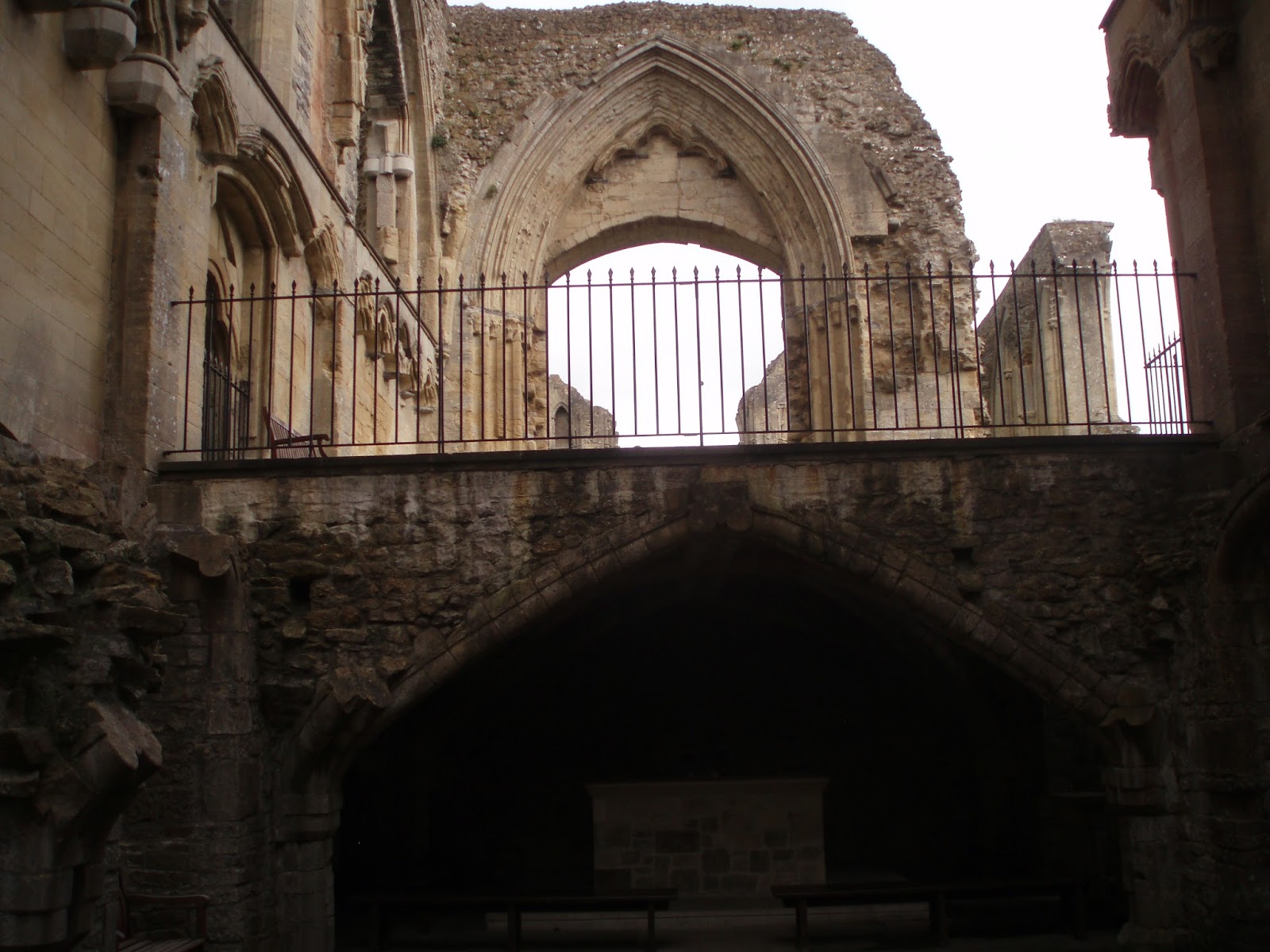
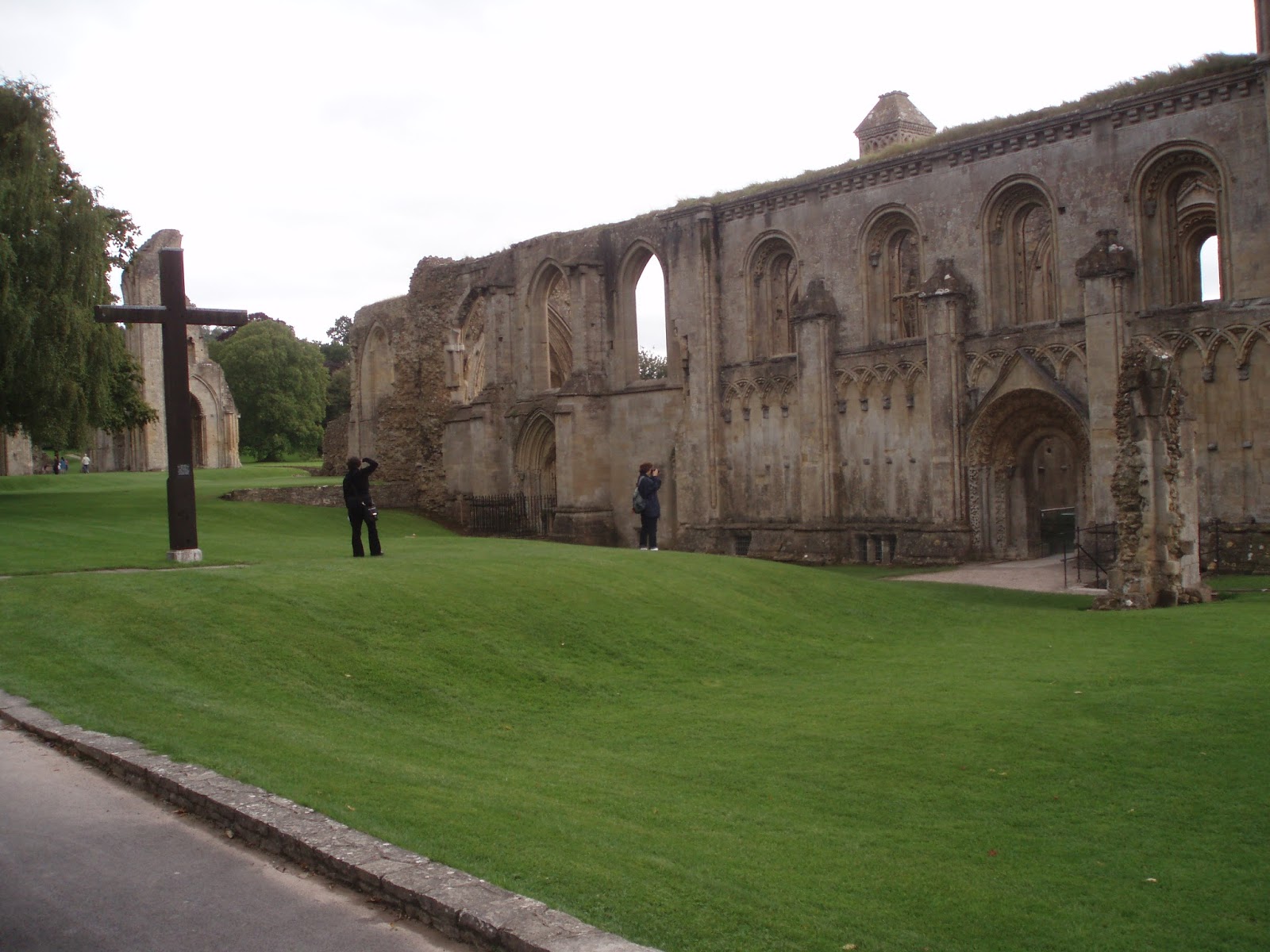
We’ve visited Glastonbury Abbey a few times over the years, and the photographs I shared are from our very first visit. Glastonbury is one of those places that pulls you back without asking — a place we’ll return to many more times because it never feels finished. The Abbey especially has that quality: peaceful, ruined, and yet somehow still listening.

Walking through the arches and open lawns, you can feel how many layers of story live here. Folklore doesn’t sit on top of Glastonbury; it rises up from the ground like mist.

The Ghostly Monk

For generations, people have spoken of a silent monk who wanders the ruins at dusk. He’s usually described as hooded, solitary, and unbothered by visitors — more guardian than ghost. Some say he’s one of the last Benedictines, lingering out of devotion. Others believe he’s tied to the Abbey’s dissolution, a spirit who never left his post. Whether he’s seen or simply sensed, the Abbey has that unmistakable “someone else is here” stillness.

Arthurian Echoes

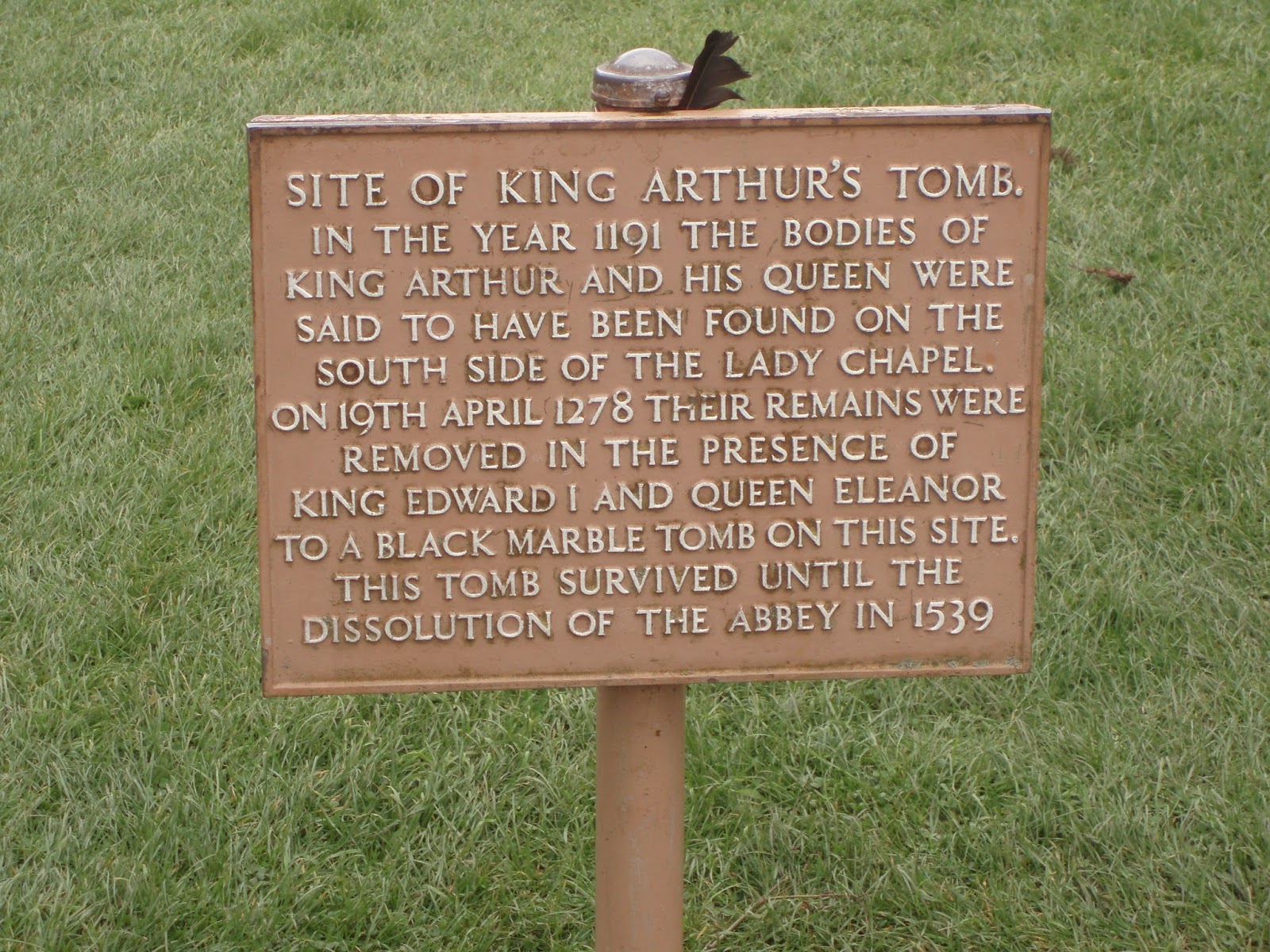
Glastonbury Abbey is also wrapped in the legend of King Arthur. In the 12th century, monks claimed to have discovered the graves of Arthur and Guinevere on the grounds — a story that has been debated ever since. Whether it was truth, myth, or a bit of medieval marketing, the legend stuck. Today, the Abbey feels like one of the few places where Arthurian lore doesn’t feel like a story told about a place, but a story that grew from it.

Some say Avalon itself is hidden in the landscape around Glastonbury, and the Abbey is one of its doorways.

The Holy Thorn

Another thread of folklore winds through the Abbey grounds: the Glastonbury Thorn. According to tradition, Joseph of Arimathea planted his staff here, and it miraculously took root and blossomed. The original tree is long gone, but its descendants still bloom around town — a reminder that Glastonbury’s stories are as botanical as they are mythical.

A Place That Unfolds Over Time

Every visit reveals something different — a new angle of light through a broken arch, a detail in the stone you didn’t notice before, a feeling that wasn’t there last time. Glastonbury Abbey doesn’t give everything at once. It reveals itself slowly, like a place that knows you’ll be back.
And we will.
Because places like this don’t finish speaking after one visit.

They unfold.


Wednesday, February 18, 2026

Avebury, England


We took all the photographs shared on this site. © All Rights Reserved to PumpkinSpice Hearthcraft


A Visit to Avebury: A Quiet Moment in Ancient Time

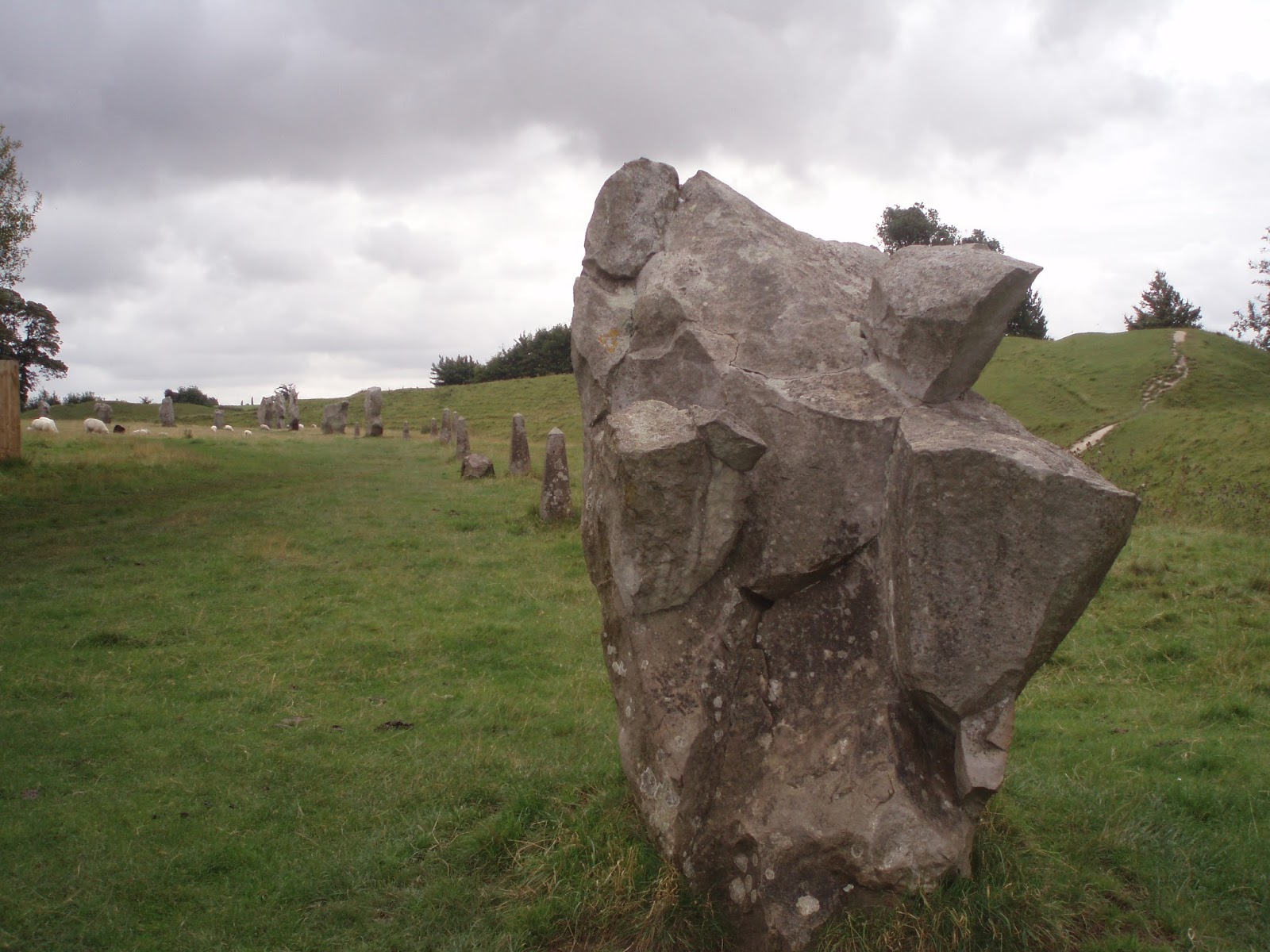
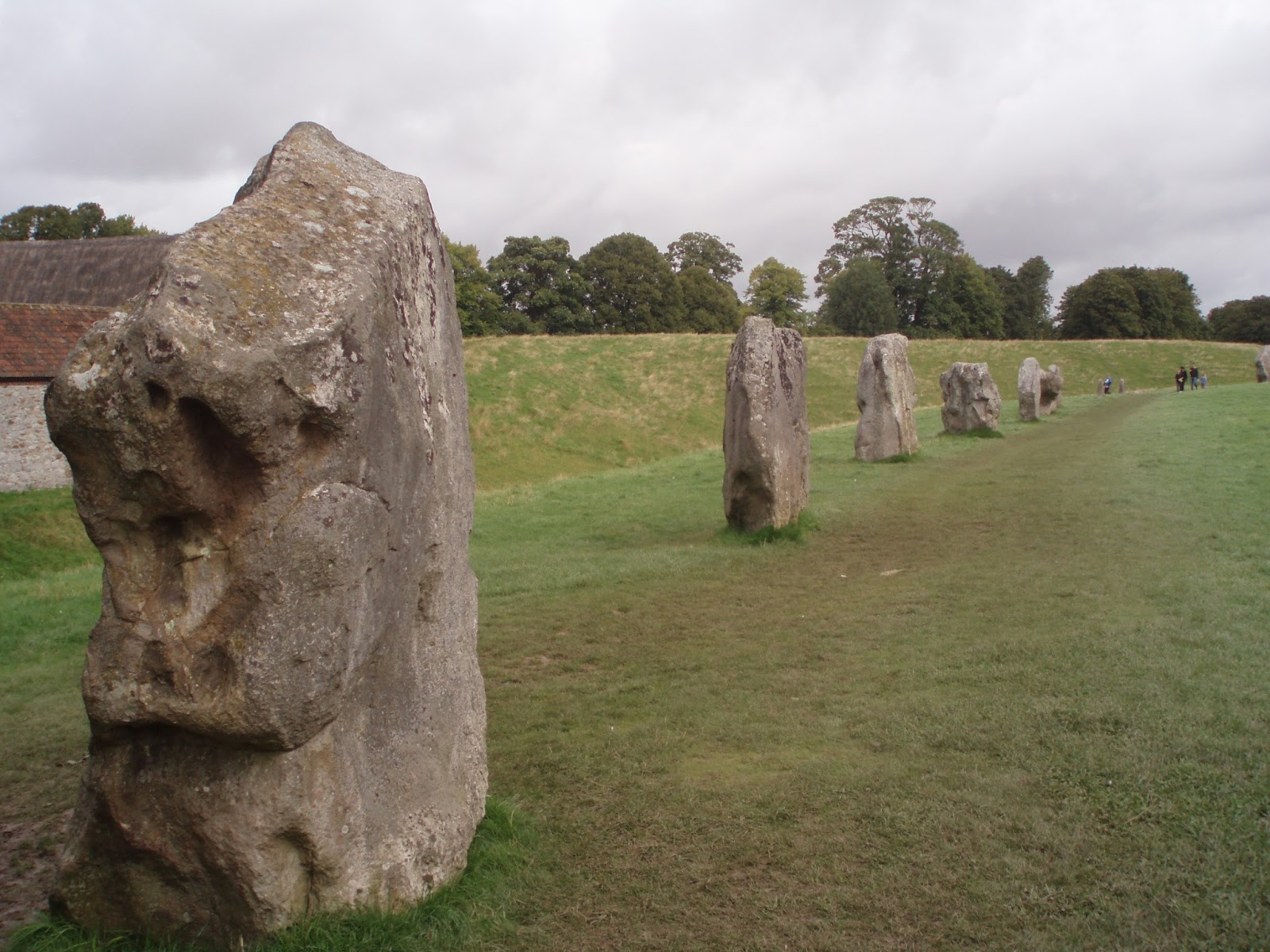
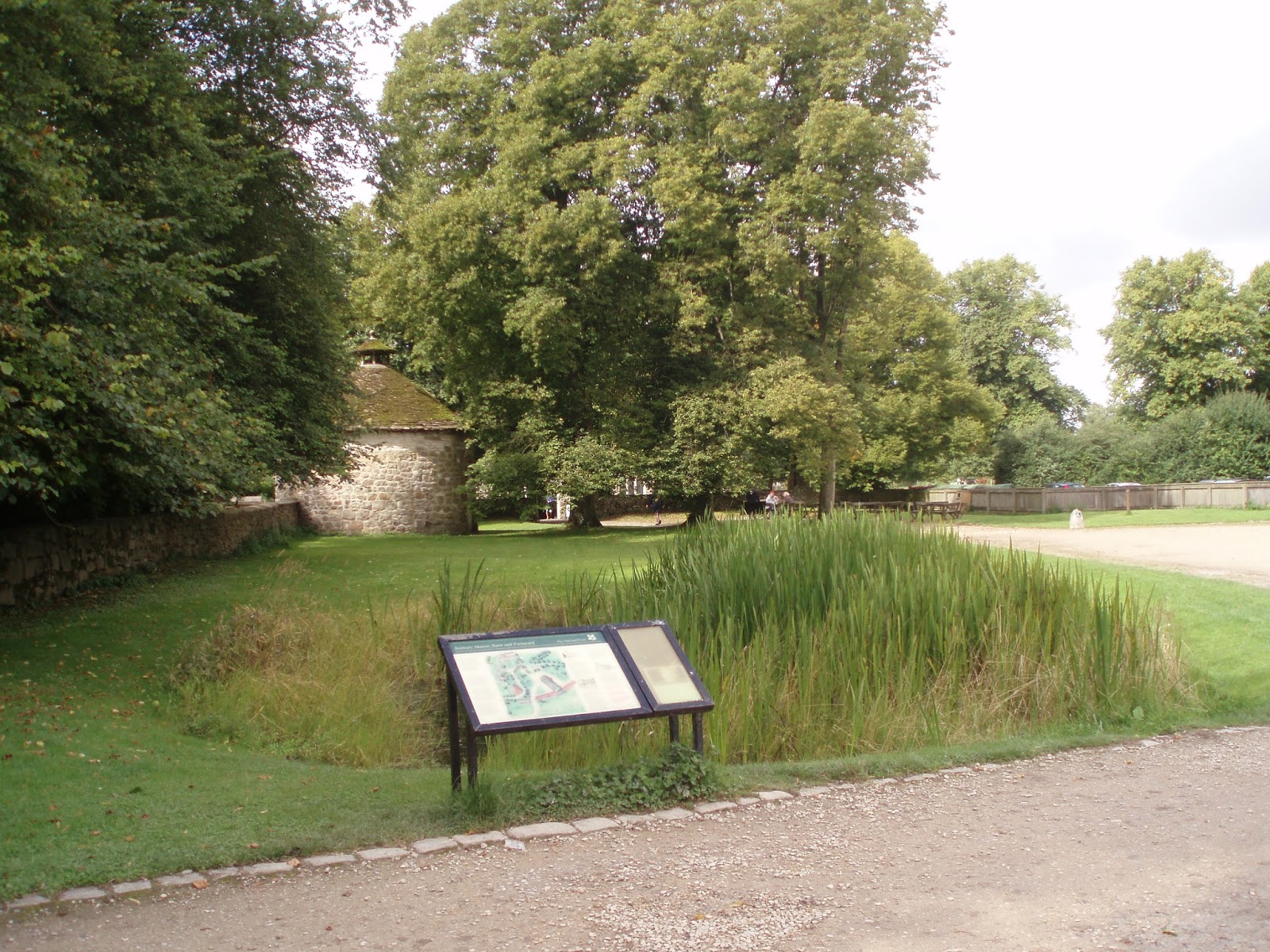
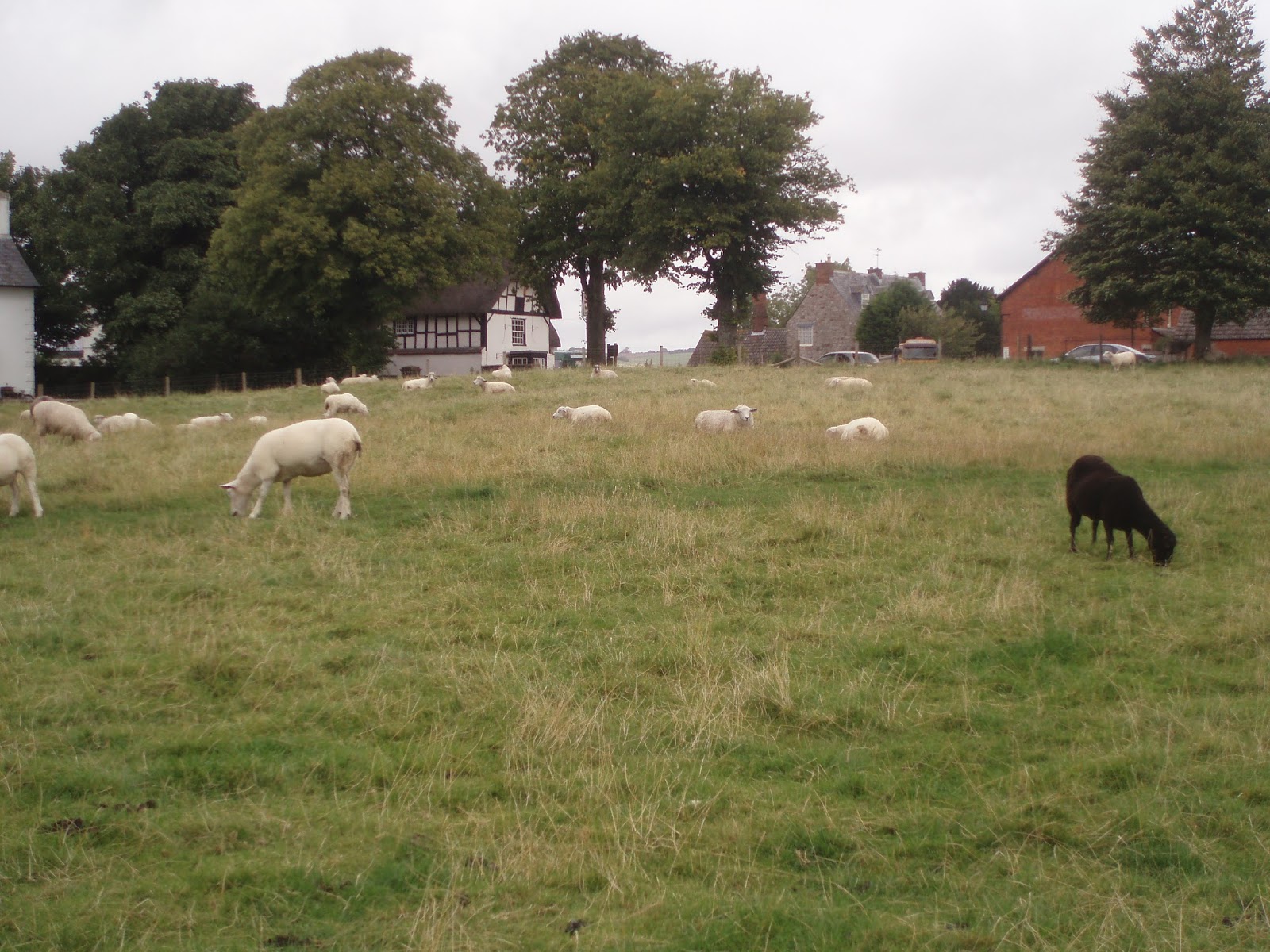
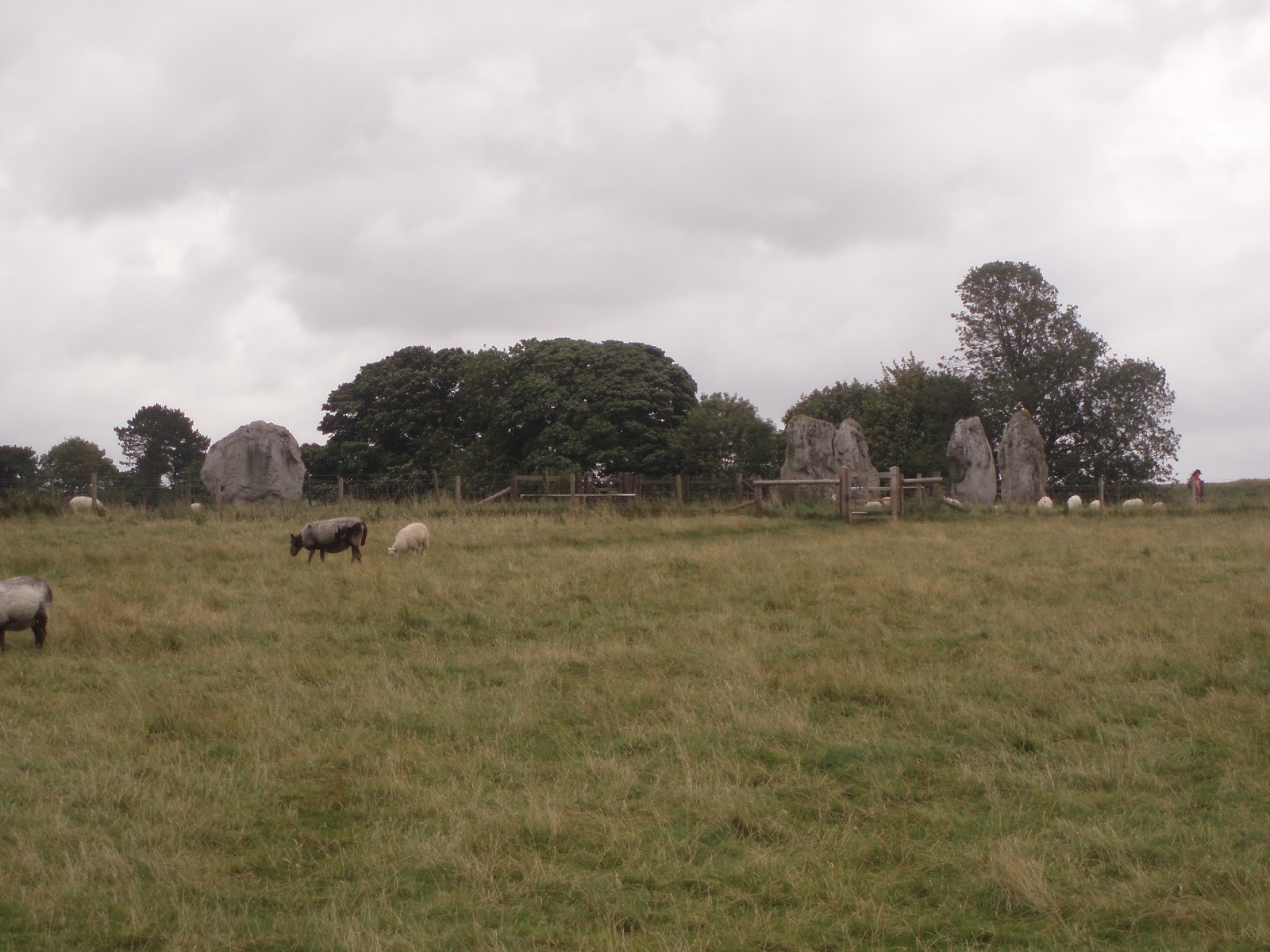
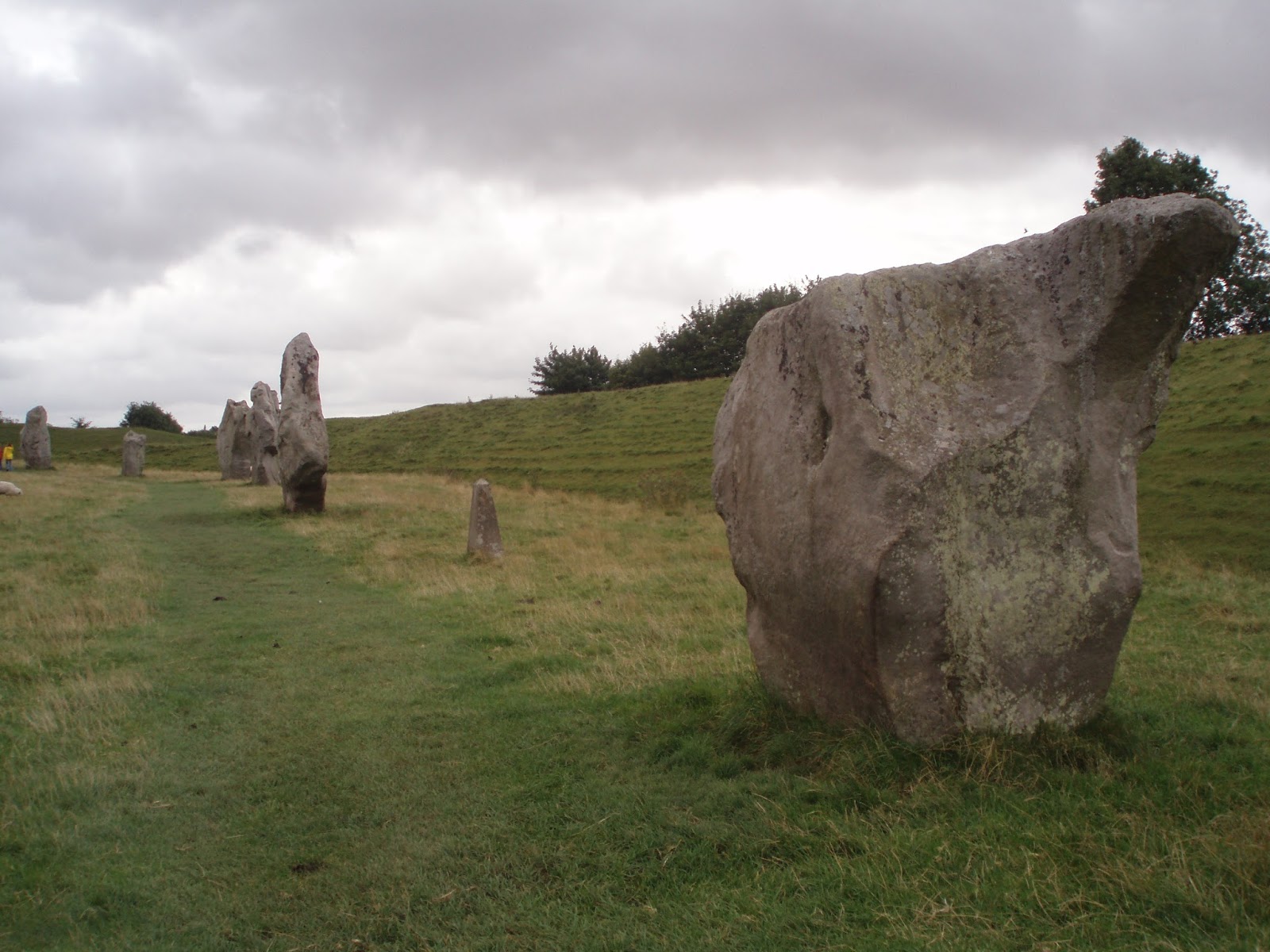
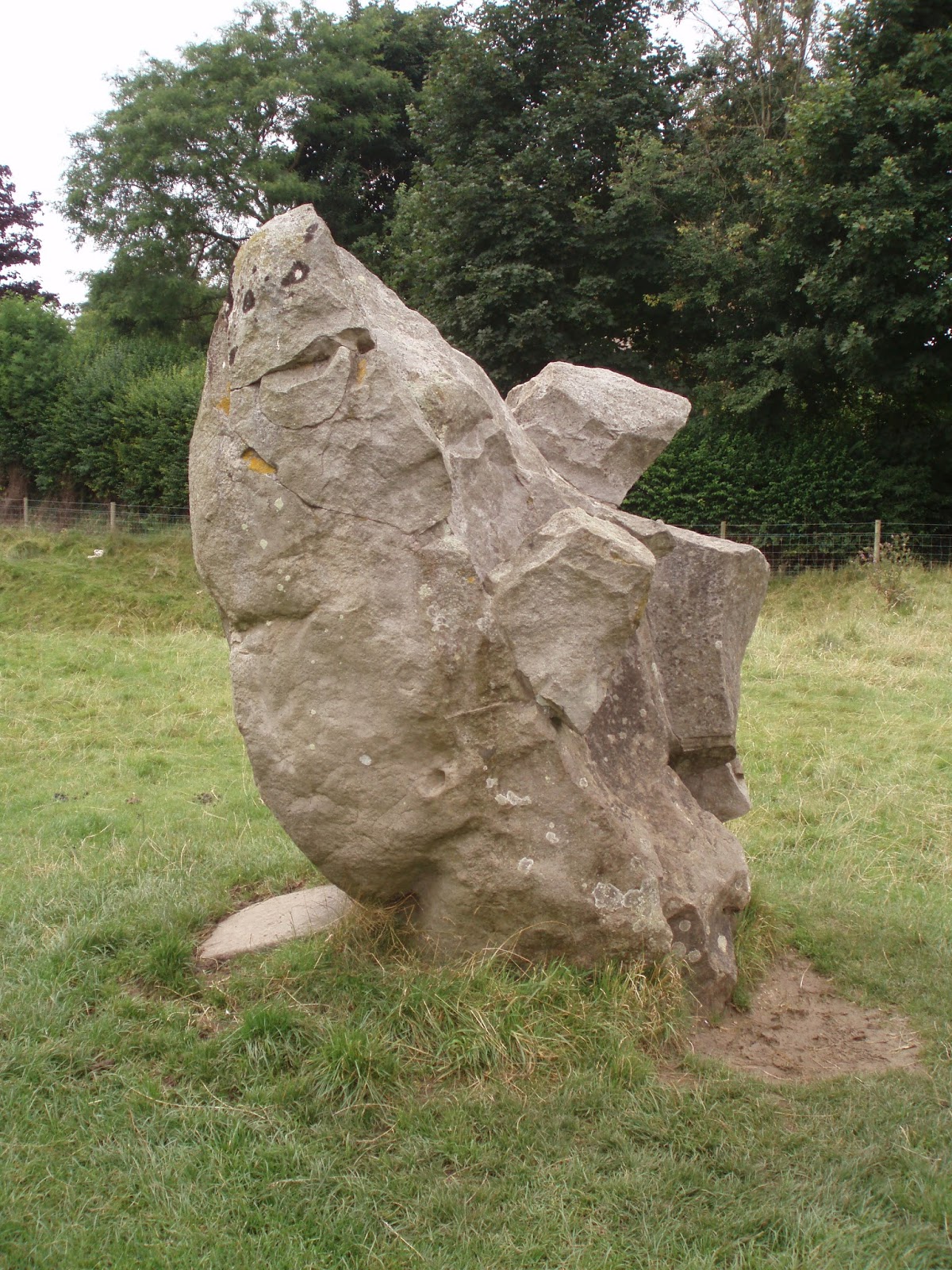
We visited the prehistoric monument complex over ten years ago, making our way there after spending the morning at Stonehenge. Where Stonehenge felt iconic and commanding, Avebury surprised me with its humility. It rests quietly along the English countryside, wrapped in rolling fields and dotted with grazing sheep who wander through the stones as if they’ve always belonged there.

The sky was overcast, but the air was still and dry. It created the perfect muted backdrop for exploring a place that feels older than memory. As we walked through the complex, there was a peacefulness that settled over everything — a gentle, steady calm that seemed to rise from the earth itself. Each step felt like walking deeper into a story that had been unfolding for thousands of years.

There was a spiritual warmth to the land, not dramatic or overwhelming, but welcoming. Almost as if unseen ancestors were lingering at the edges, watching quietly, pleased to have company. I felt fortified by it, as though the ground itself recognized us.

I remember climbing a small incline to get a better view of the stone circle. Paul stood across the way, taking his own photographs, and for a moment the world felt suspended. As I looked out over the stones, I could almost hear echoes of the people who once placed them there — the strain of lifting, the coordination, the purpose behind their work. It made me wonder: were these markers, ceremonial symbols, or the foundations of something long gone? Were they aligned with the stars, or with the seasons, or with beliefs we can only guess at now?

The answers stayed hidden, as they always do in places like this. But the mystery is part of the magic. Avebury feels like a landscape shaped by ancient hands — a place where druids may have walked, where rituals of healing or gathering once took place. The simplicity of the setting, with sheep grazing lazily between the stones, only deepened that sense of sacredness.

We didn’t stay long — just a couple of hours before we had to begin the long drive back to where we were staying — but the experience left a lasting imprint on me. It remains one of the most moving and quietly powerful moments of my life. There’s something about Avebury that settles into your spirit and stays there.

If you ever find yourself planning a trip to England, especially if Stonehenge is already on your list, I highly recommend making the short journey to Avebury as well. It’s only about twenty miles further, and absolutely worth the detour. Sometimes the most unassuming places end up being the ones that change you.


A Few Folkloric Notes


  • Avebury is believed to date back to around 2500 BC, placing it in the same era as Stonehenge.

  • It is one of the largest megalithic stone circles in the world, sprawling across the landscape rather than standing in a tight ring.

  • Local folklore often describes the stones as living guardians, said to hum with ancient energy or shift subtly over long stretches of time.

  • Some old tales claim the stones were once people turned to stone for breaking sacred laws — a common motif in British folklore.

  • Others say the stones mark a place where the veil between worlds is thin, making it a site of intuition, dreams, and ancestral presence.


Monday, February 9, 2026

Laurel Hill Cemetery, PA


We took all the photographs shared on this site. © All Rights Reserved to PumpkinSpice Hearthcraft

๐Ÿ‚ Laurel Hill Cemetery, Philadelphia

A PumpkinSpice Hearthcraft Field Note Visited on a rain‑washed afternoon

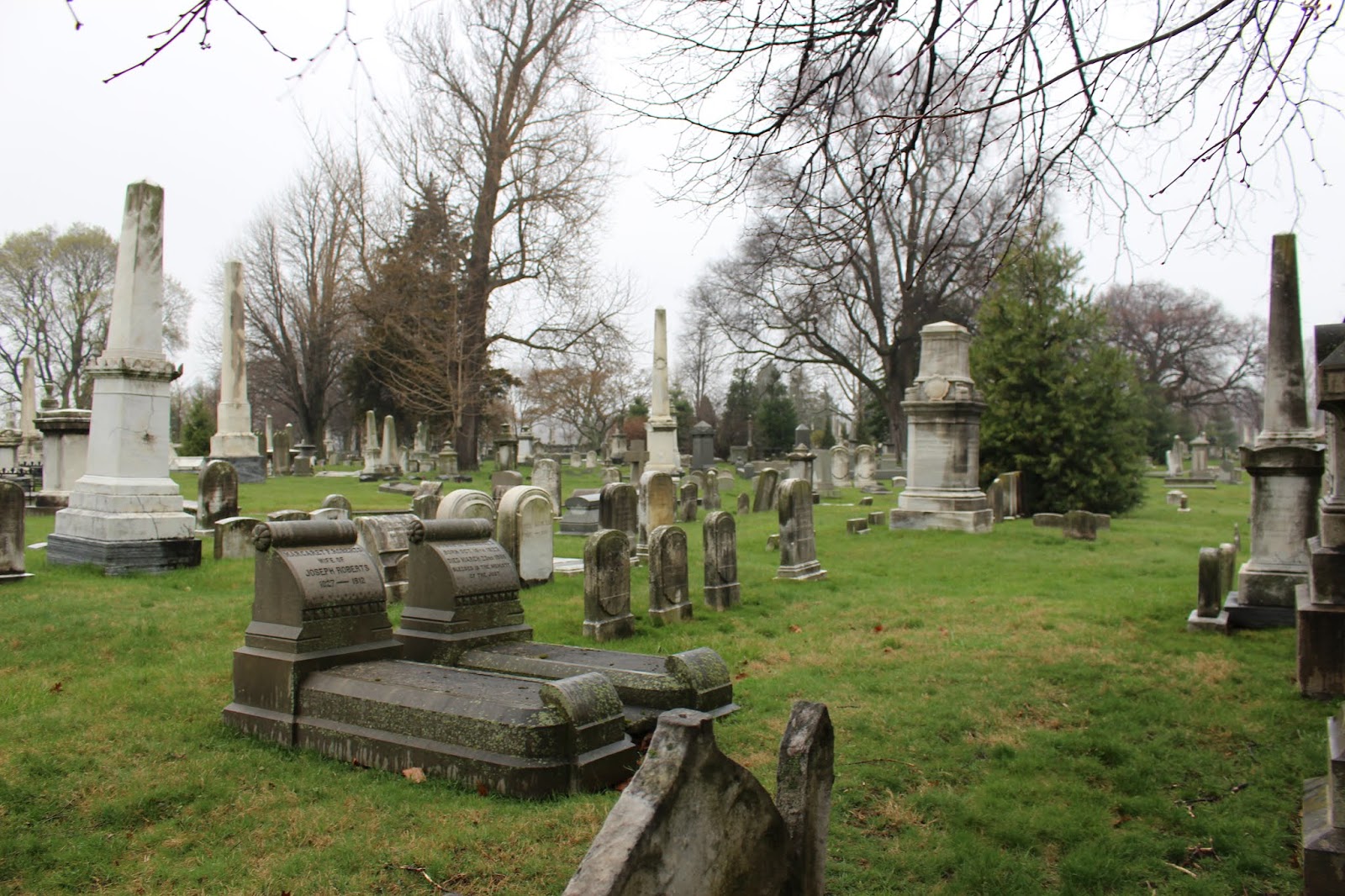
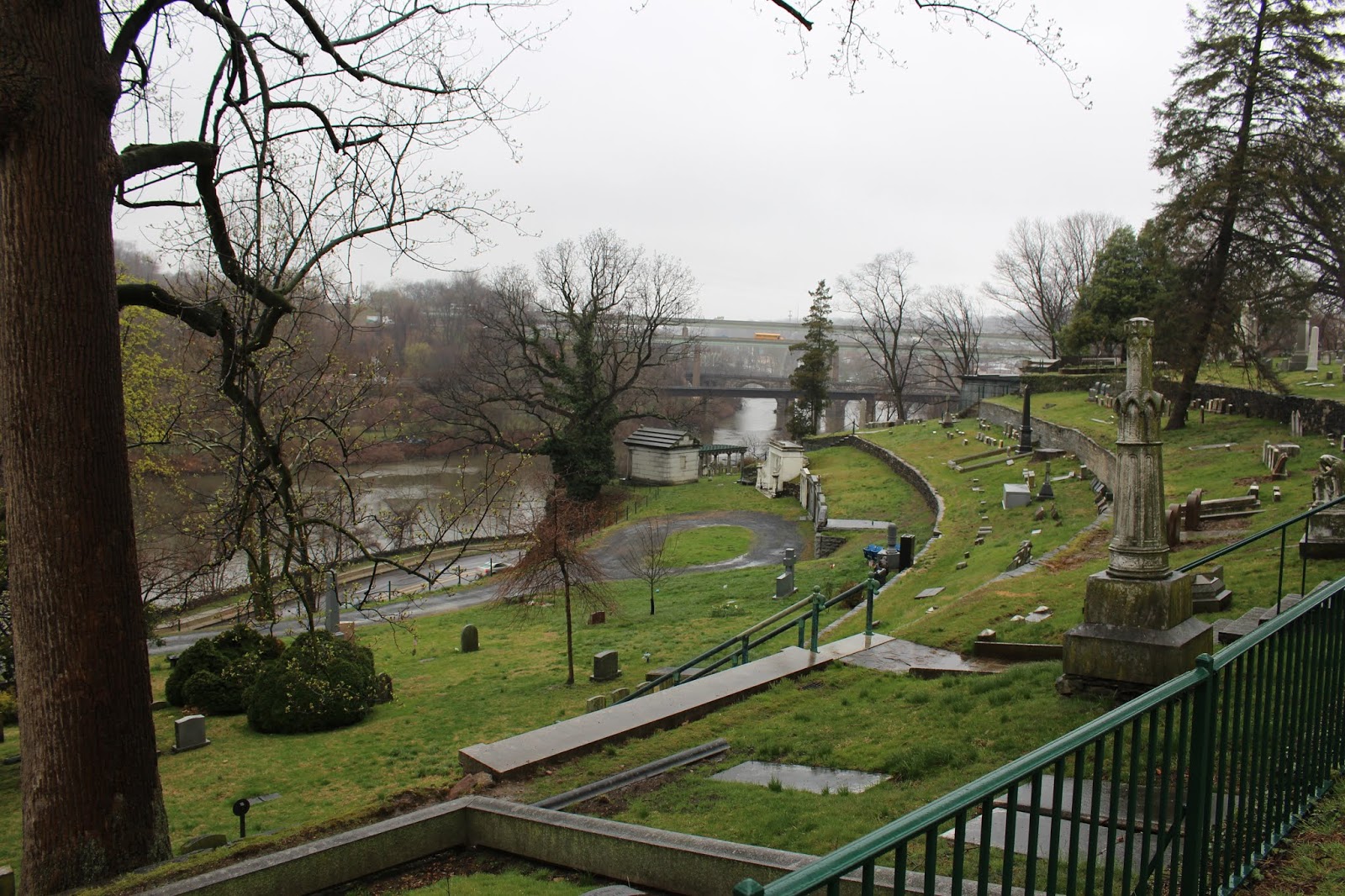
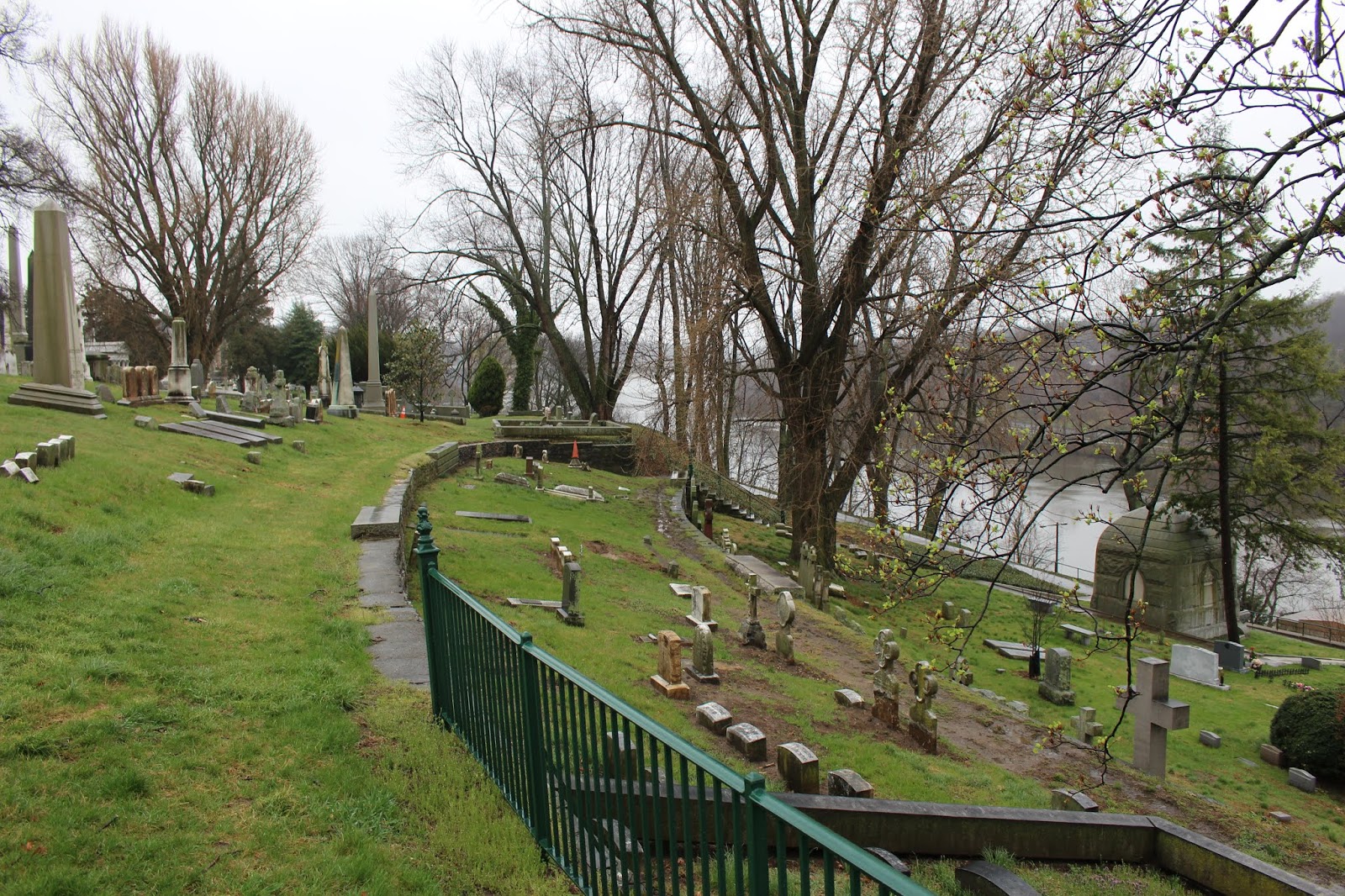
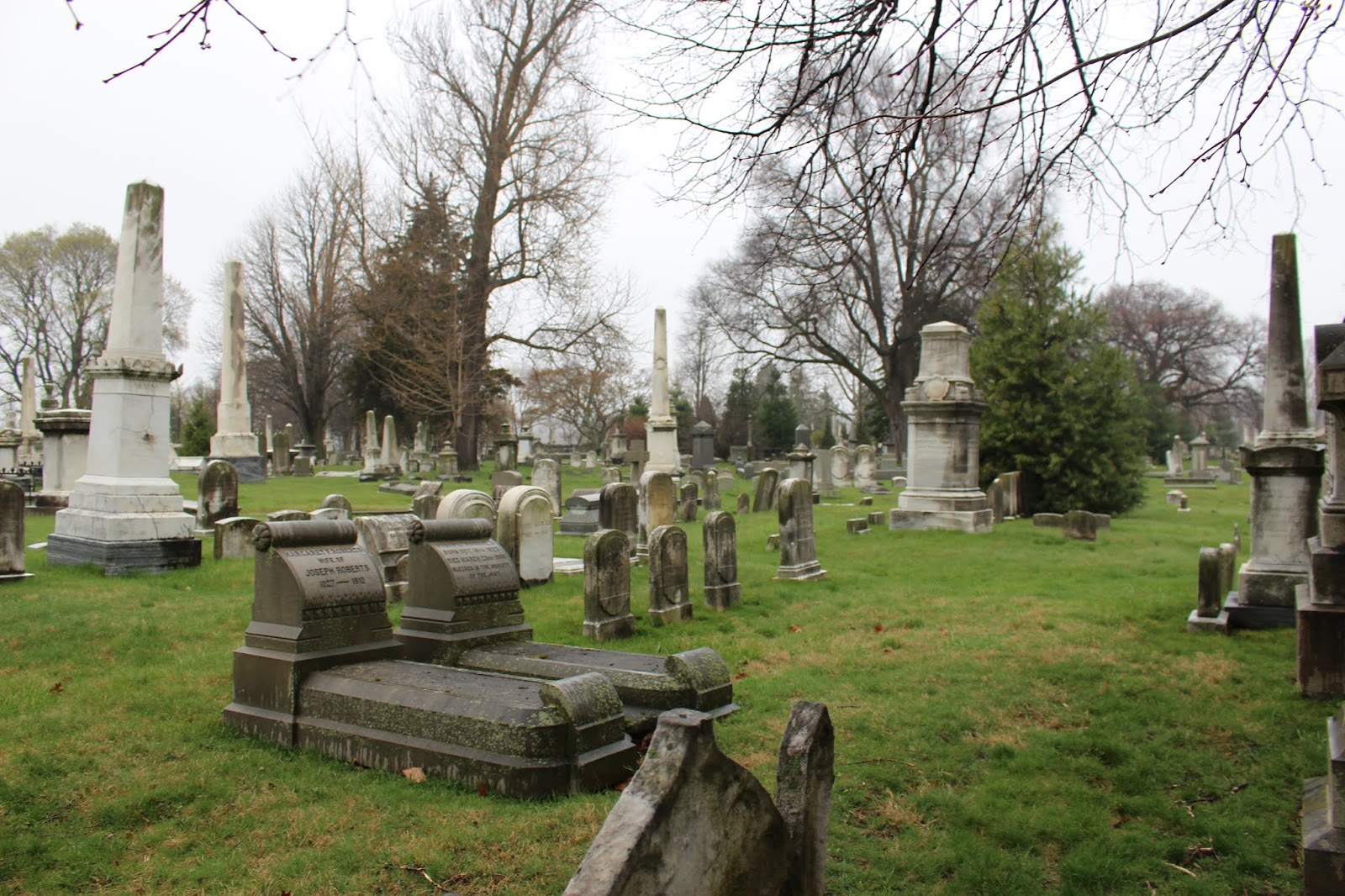
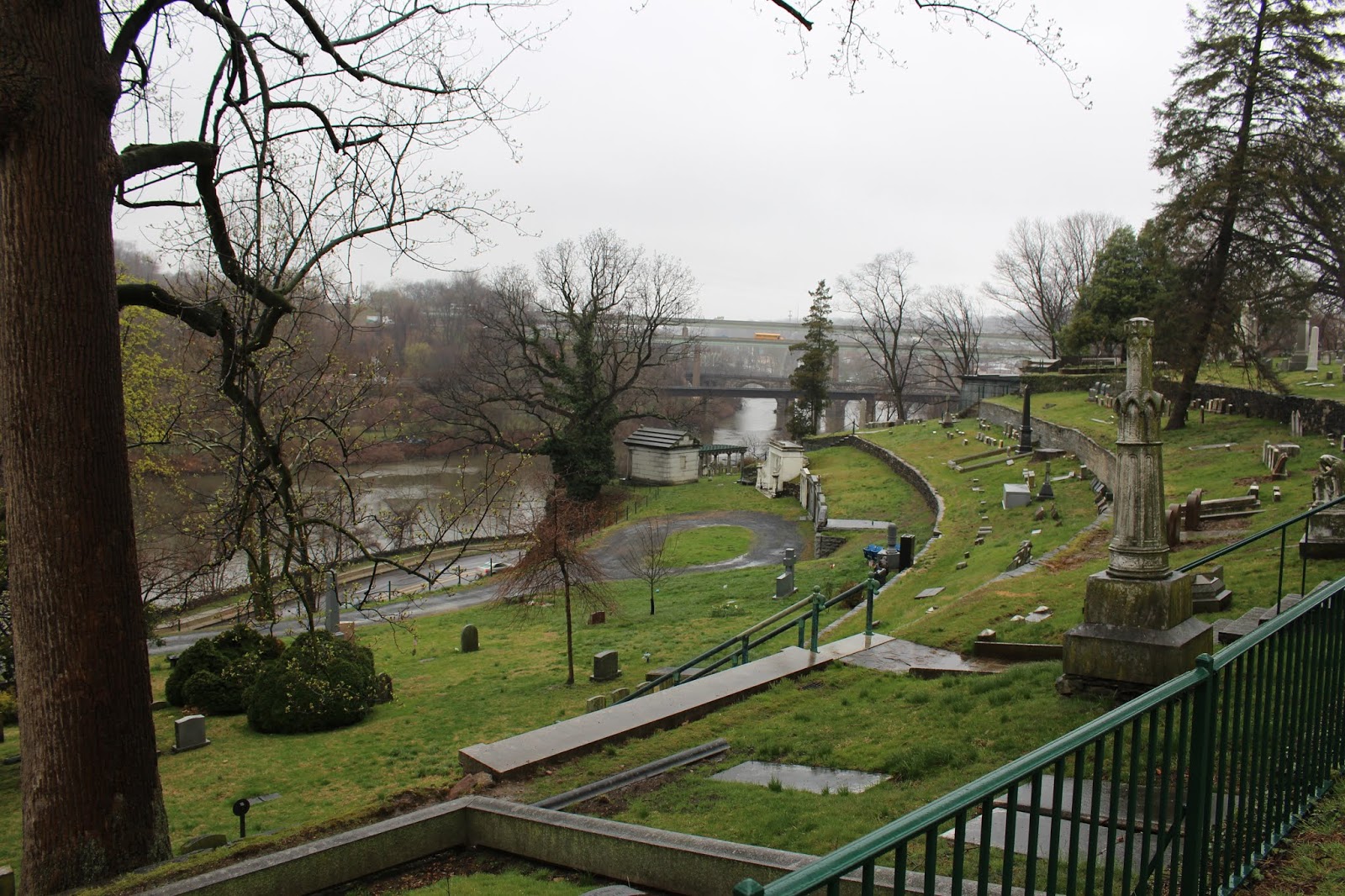
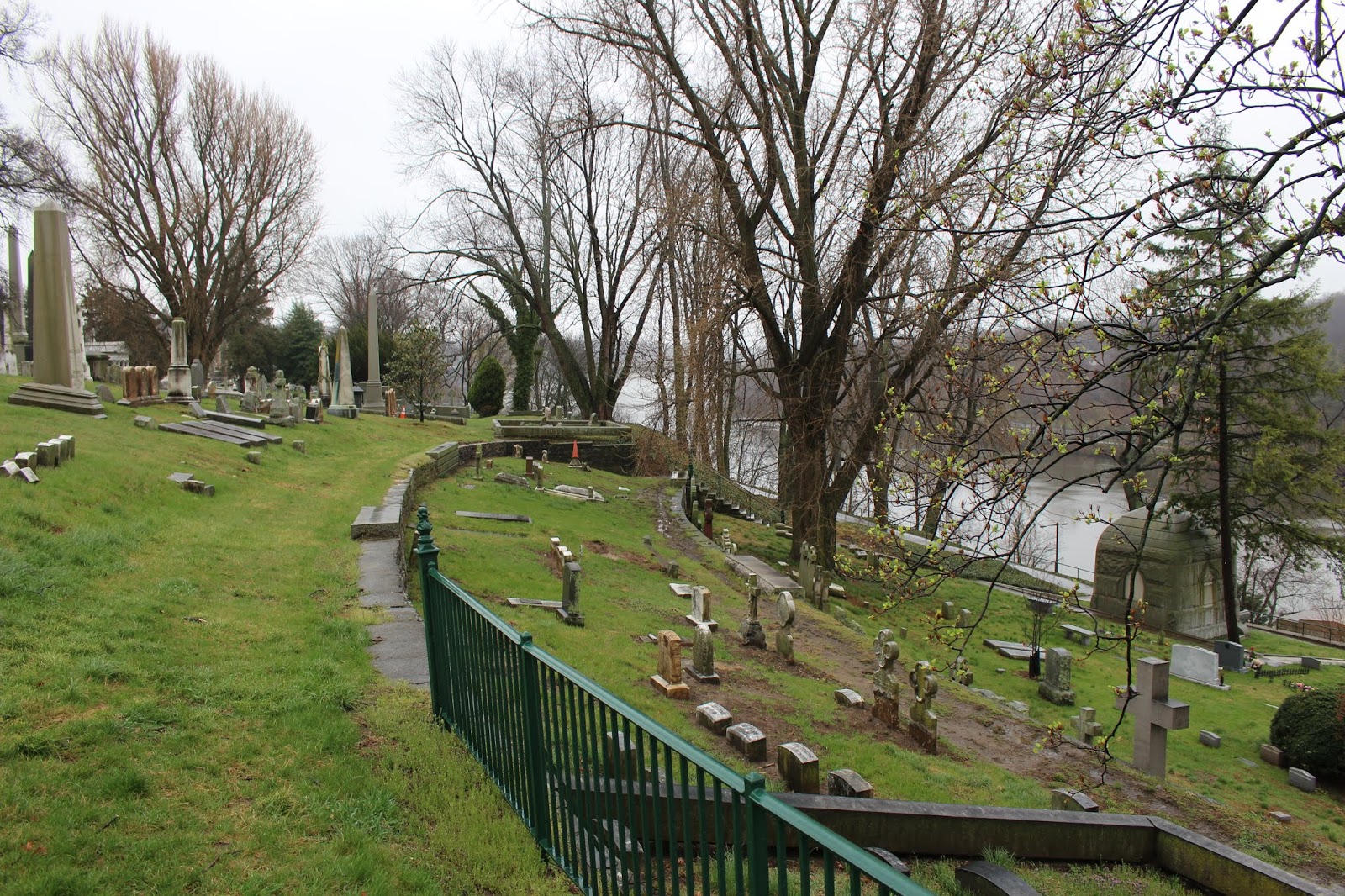
Laurel Hill greeted us on a soft, overcast day — the kind of weather that turns stone into story and makes every carved name feel a little closer. A steady drizzle followed us through the gates, sometimes gentle, sometimes insistent enough that we tucked our cameras beneath our coats and waited for the clouds to catch their breath. Even so, we managed to gather a lovely handful of photographs, a few of which are shared here.

Cemeteries have always been places of folklore and history for us — once tangled up in the paranormal craze of our younger years, but now appreciated with a quieter, deeper affection. With age comes a shift in focus: away from chasing the unexplainable and toward honoring the culture, craftsmanship, and human stories held in these landscapes. Laurel Hill, with its sweeping views and Victorian monuments, is a treasure for anyone who loves history and folklore as much as we do.

Despite the moody weather, the cemetery felt peaceful and grounded. The rain softened the edges of the world, giving the marble and granite a gentle sheen. It wasn’t ominous so much as contemplative — the kind of atmosphere that invites you to slow down and notice things you might miss on a bright, sunny day.

We wandered the paths reading names, some familiar (like General Meade, pictured above), many others belonging to people whose stories we’ll never fully know but who deserve remembrance all the same. That act — pausing, reading, acknowledging — felt like the truest form of connection.

Not every place we visit offers folklore in the form of legends or ghost stories. Sometimes the folklore is simply the landscape itself: the way the river curves, the way the monuments lean, the way time settles into the stone. Laurel Hill is rich with that kind of quiet narrative.

We stopped by the small gift shop before leaving, a charming little nook filled with books, postcards, and bits of local history. The person tending the shop was warm and knowledgeable, sharing stories about the grounds and pointing out details we might have missed. My fiancรฉ, ever the history enthusiast, was in his element — perhaps even more than I was.

Philadelphia gave us many places to explore on this trip, and we’ll share more of those adventures alongside the photographs. As for Laurel Hill, we’re not sure if we’ll return — there are so many new corners of the world calling our names — but we’re grateful for the time we spent there. If you find yourself in the area, it’s well worth a wander. Bring a good pair of shoes, a curious heart, and a willingness to let the past speak softly to you.


Sunday, February 8, 2026

Arcadia State Park, RI


We took all the photographs shared on this site. © All Rights Reserved to PumpkinSpice Hearthcraft


๐Ÿ‚ Arcadia State Park, Rhode Island

Visited in 2016 A PumpkinSpice Hearthcraft Field Note

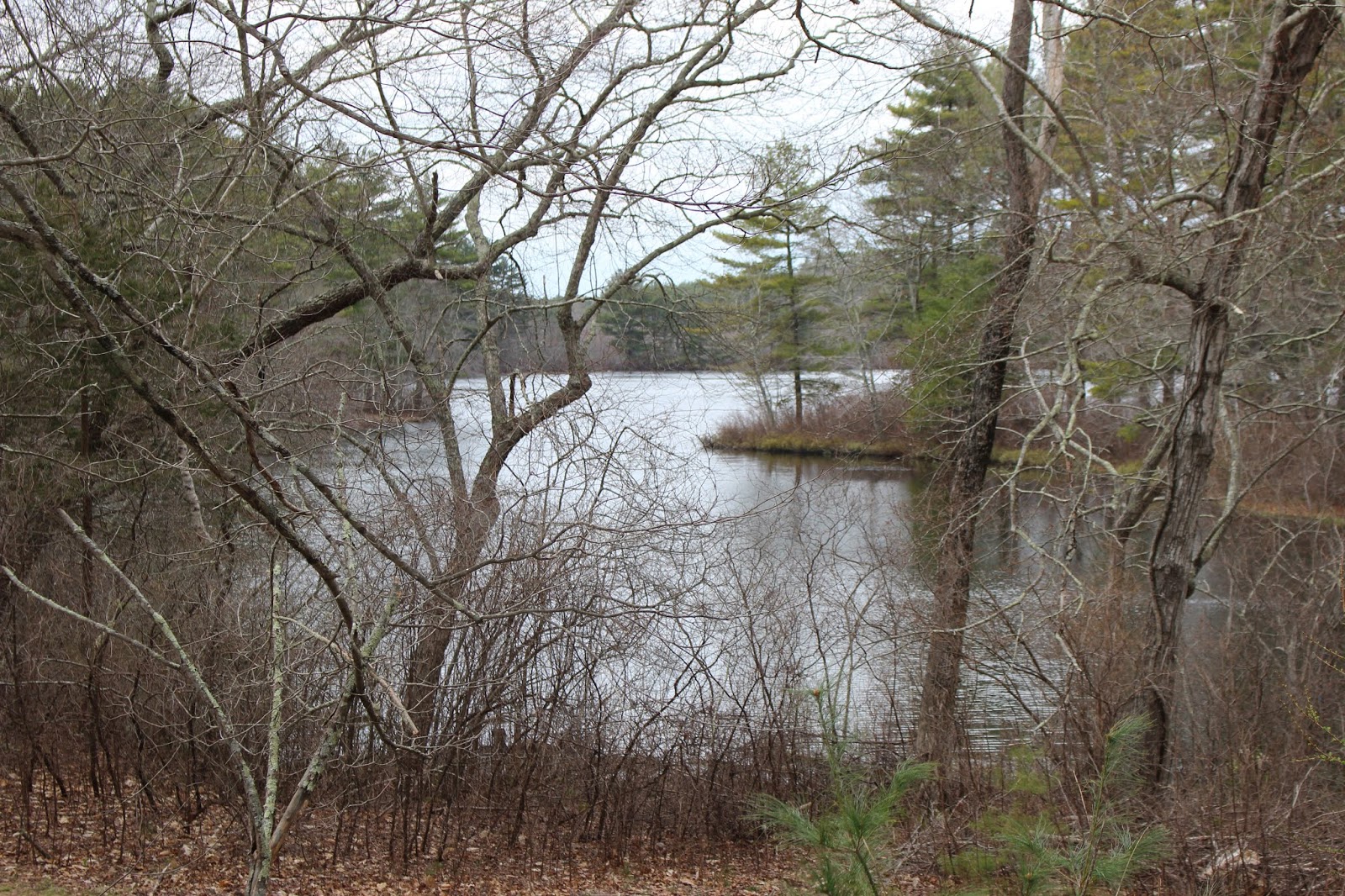
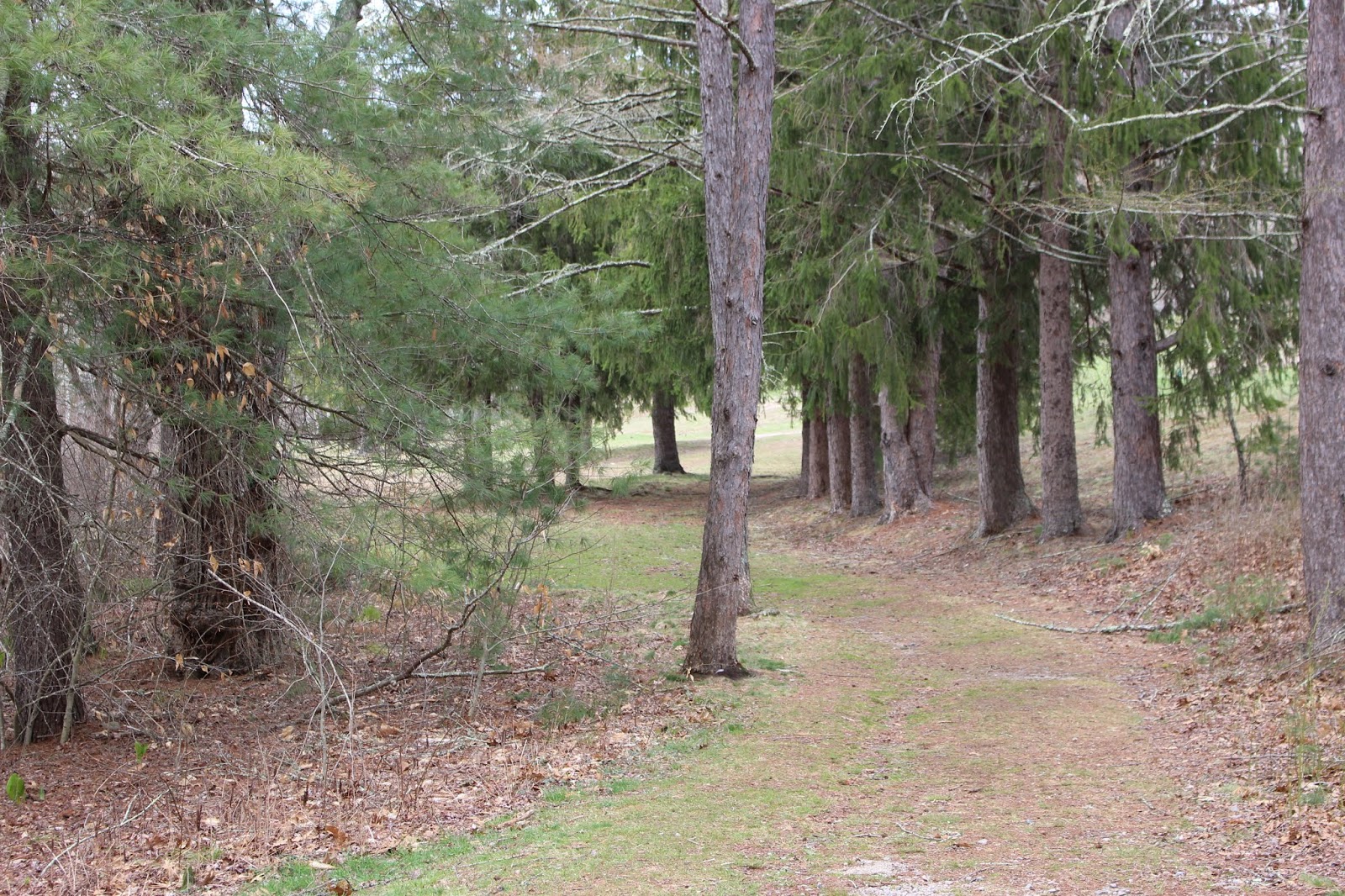
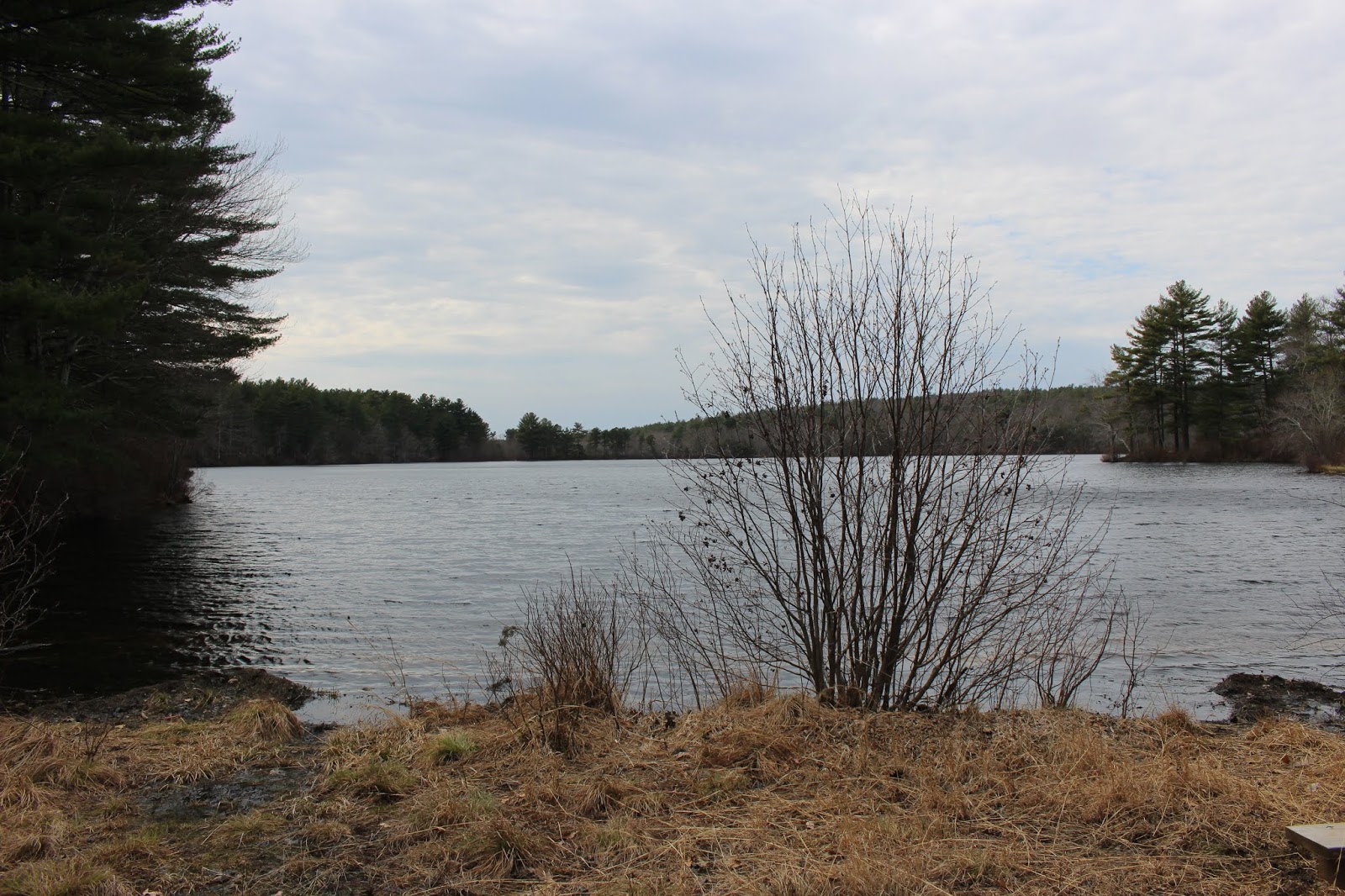
Arcadia State Park has always felt like one of Rhode Island’s quiet treasures — a place tucked between Richmond, Exeter, Hopkinton, and West Greenwich, protected by pine forests and old stories. Though Rhode Island is the smallest state in the country, Arcadia stretches across 14,000 acres, making it one of the largest natural areas in New England.

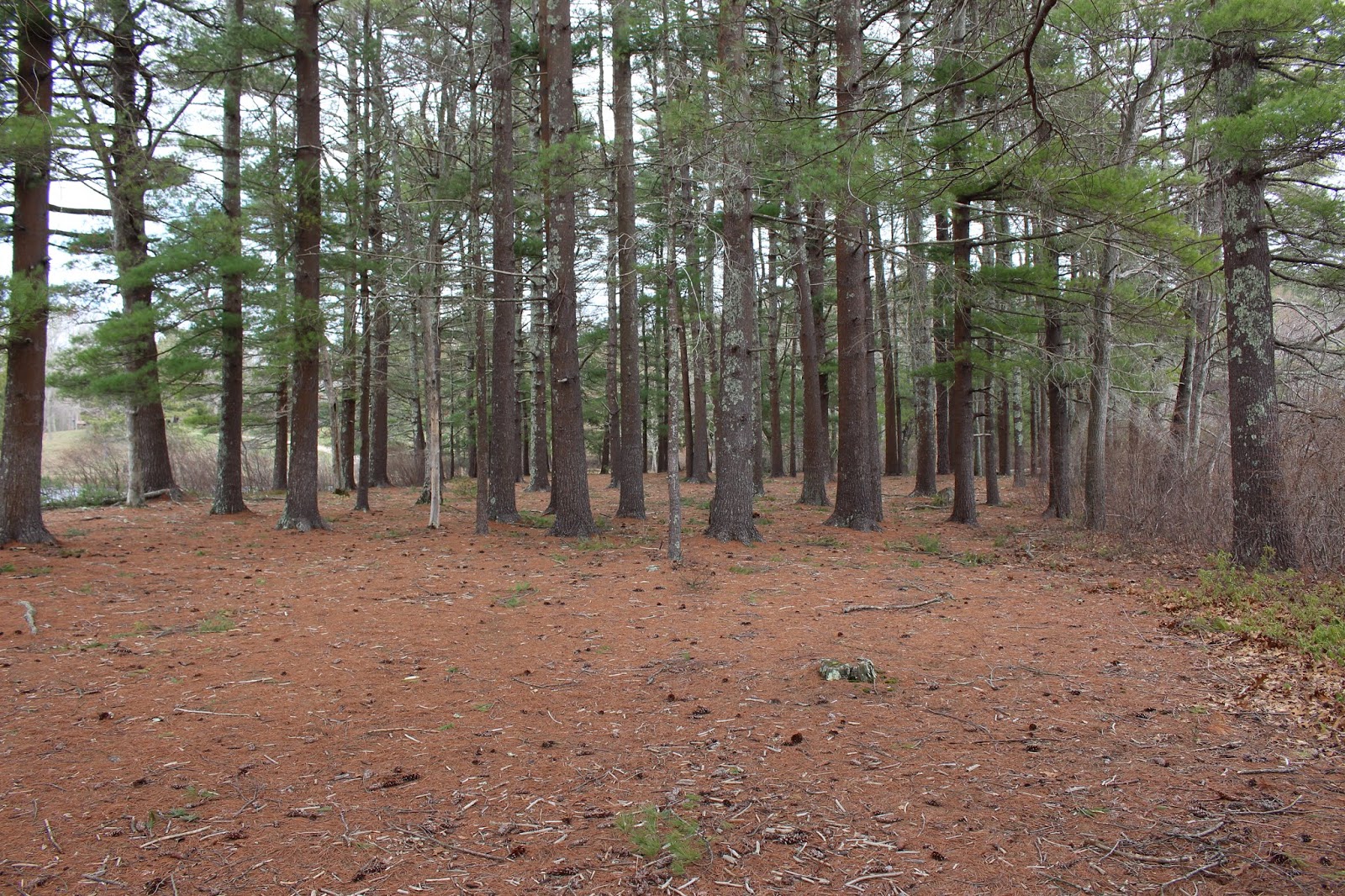
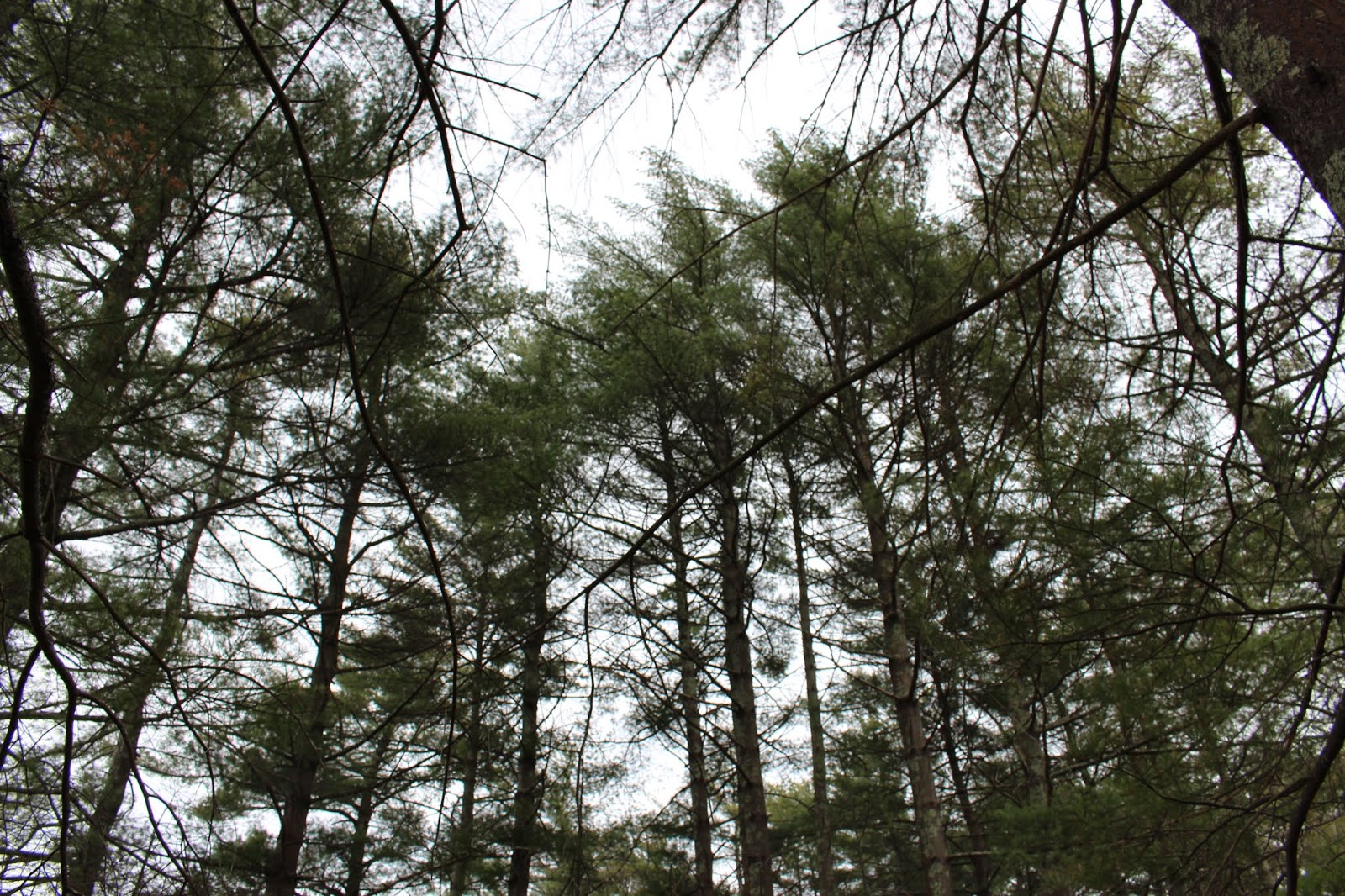
I first visited Arcadia as a child, and in 2016, I returned with the kind of nostalgia that pulls you back to places that shaped you. The moment we stepped onto the trails, I remembered why it stayed with me: the hush of the pines, the soft light filtering through the branches, and the way the forest seems to breathe around you.

Arcadia has its own folklore — as most old New England landscapes do — but unlike some nearby areas where the stories lean heavy or unsettling, Arcadia feels gentler. The wildlife is the true heartbeat here. With fewer crowds over the years, the forest has reclaimed its quiet, and the animals have grown bold and curious. Spring especially feels like a soft‑footed season in Arcadia, when everything is waking up, and the trails smell like pine needles warming in the sun.

We didn’t feel anything eerie or foreboding during our visit. If anything, Arcadia felt like a place that holds you rather than haunts you. We’re already looking forward to returning for another nature walk.


๐Ÿ Folklore of Arcadia


Breakheart Trail & the Penny Nest

Local lore says that hikers in the 1930s dropped a penny into an abandoned bird nest perched at the top of a hill near the pond. The nest sat at a fork in the path — where Breakheart Trail meets Penny Cutoff — and over time, the tradition stuck. The nest is long hidden now by overgrowth, but the name remains, carrying the memory of those early wanderers.

Giant Snappers & Mischievous Toes

Every New England kid has heard some version of this one. The snapping turtles in the murky waters are enormous — the kind you might mistake for stones until they decide to move. Parents used to warn children to keep their toes out of the water unless they wanted a turtle to “borrow one for a snack.” It’s the kind of playful, slightly dramatic folklore that keeps kids close to shore and gives families something to laugh about later.

The Indian Princess of the Pond Path

One of the oldest stories tells of a beautiful Native woman who runs along the pond path searching for her lost love. If you catch a glimpse of her, the tale says she’ll disappear around the bend near the old, broken bridge. It’s a story meant to remind hikers to stay on the safe part of the trail — a poetic cautionary tale wrapped in a bit of mystery.


Saturday, February 7, 2026

Stonehenge, England

Stonehenge: A Journey Through Time and Quiet Magic

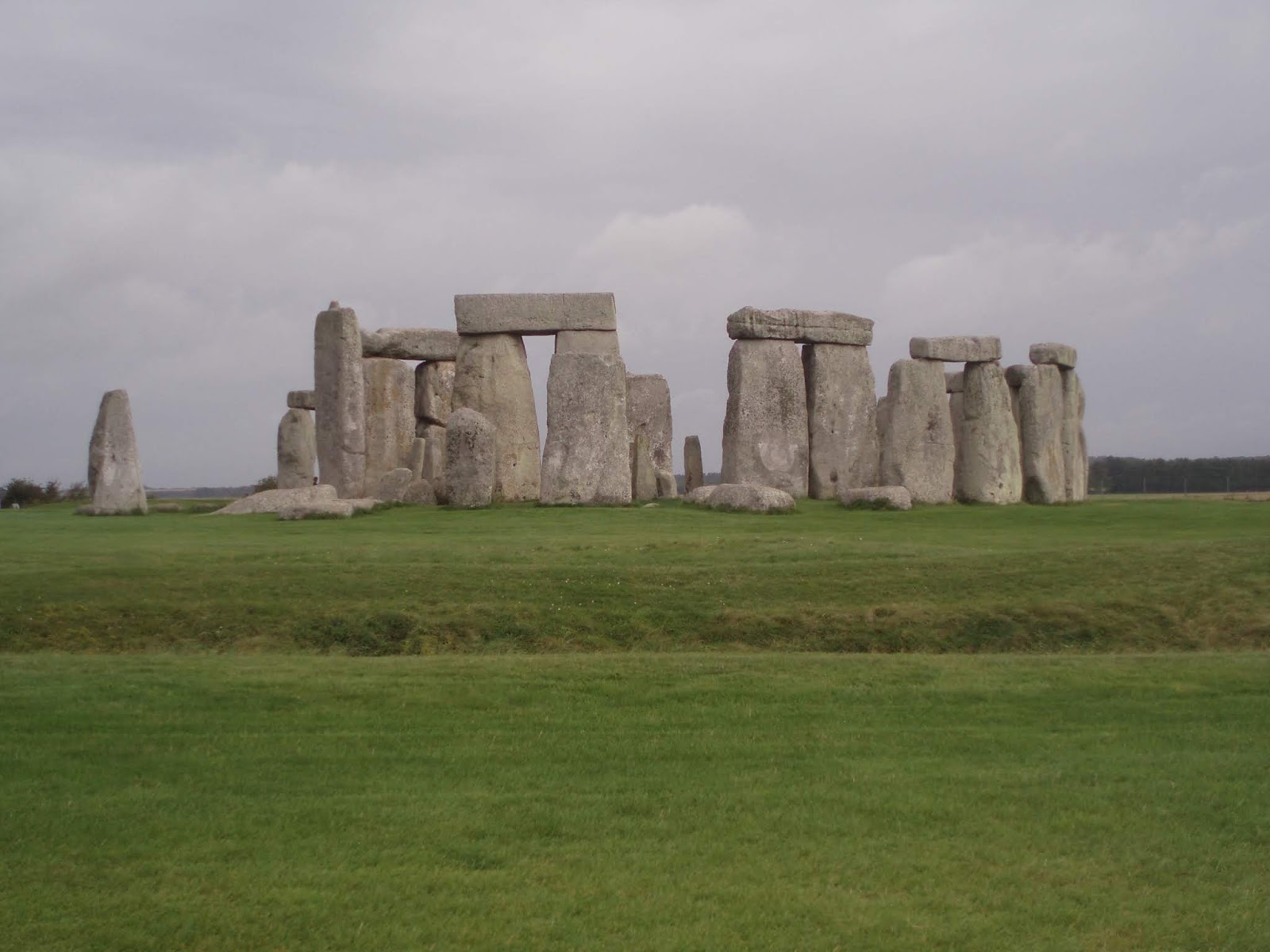
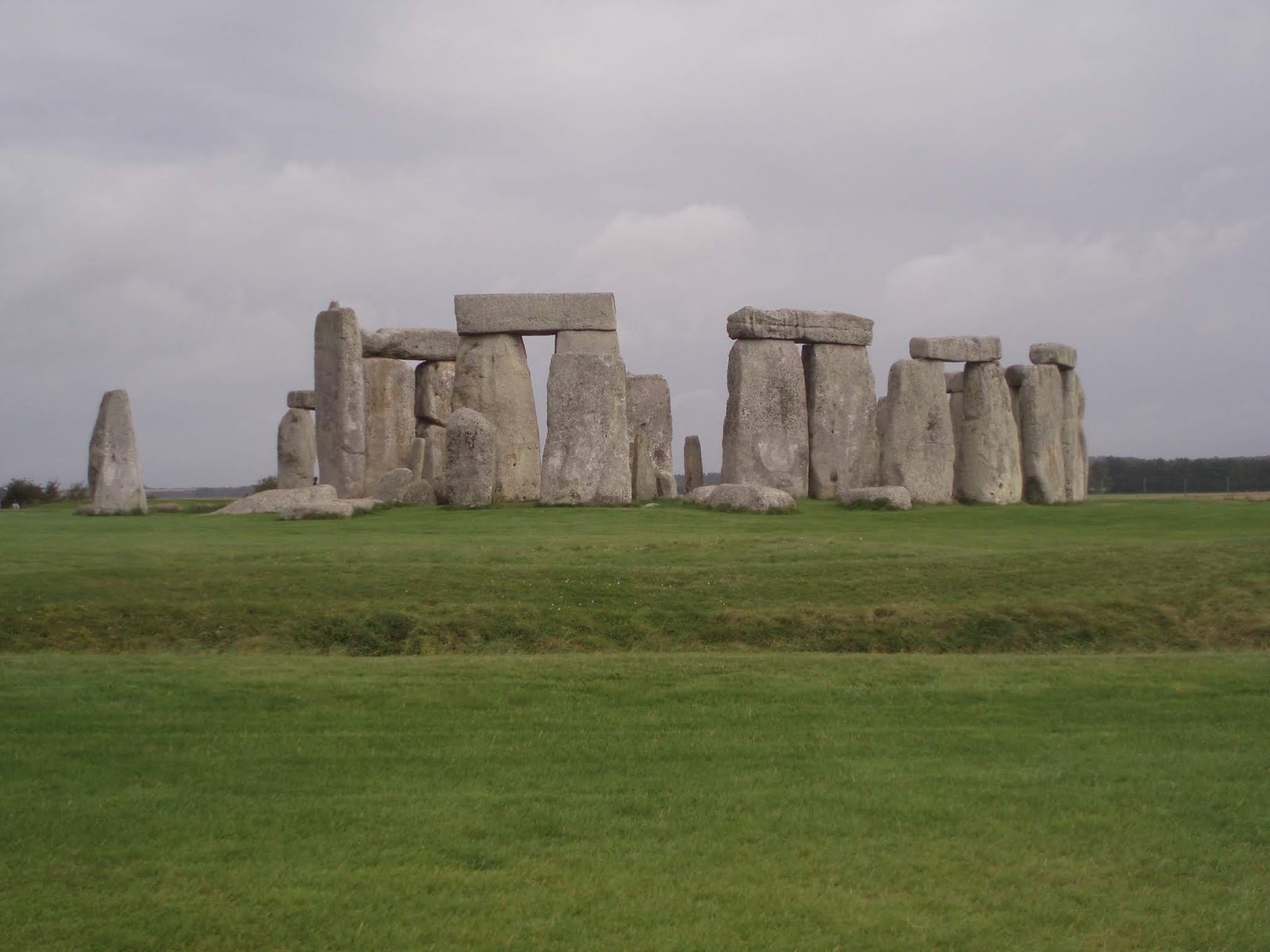
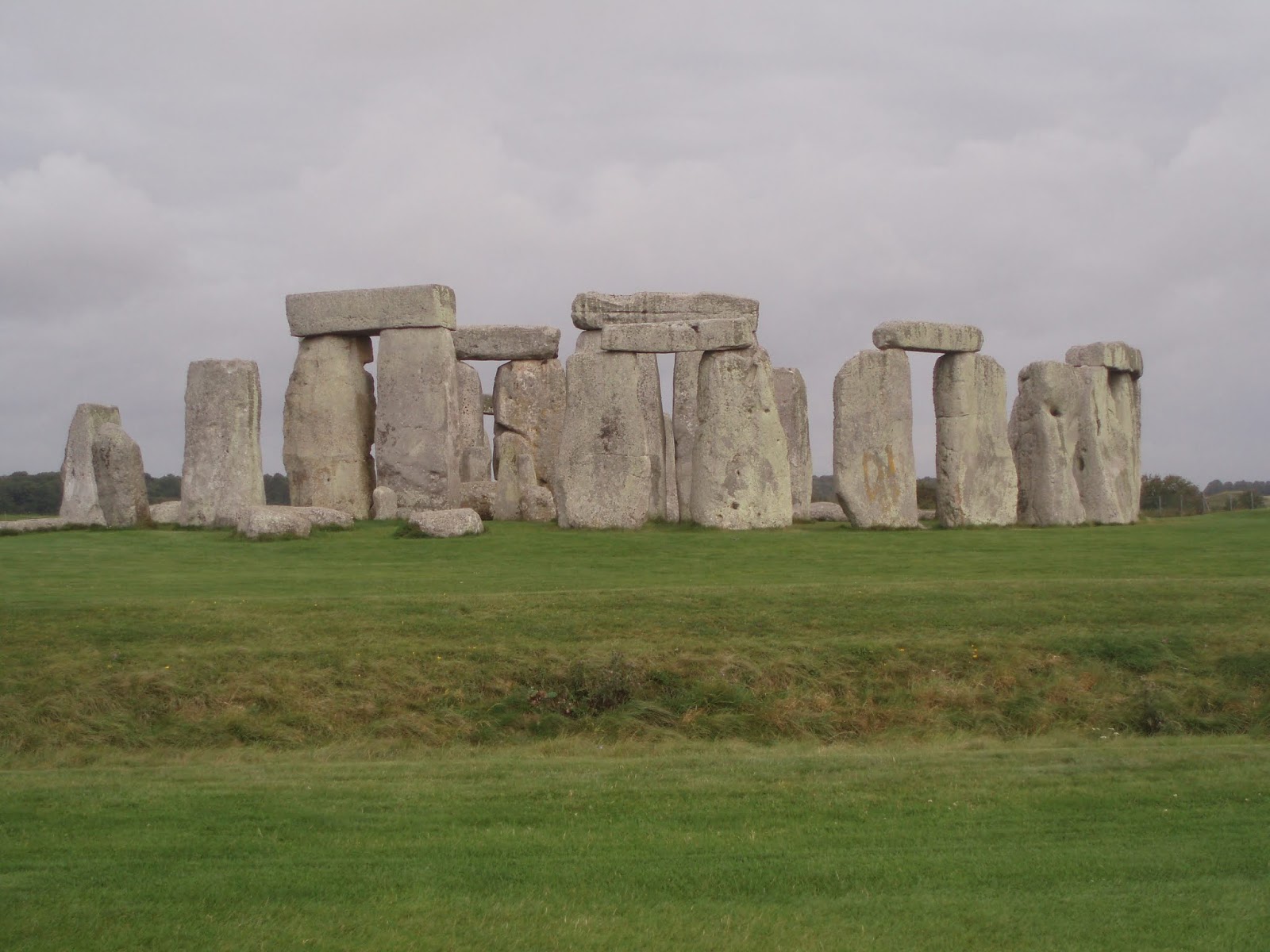
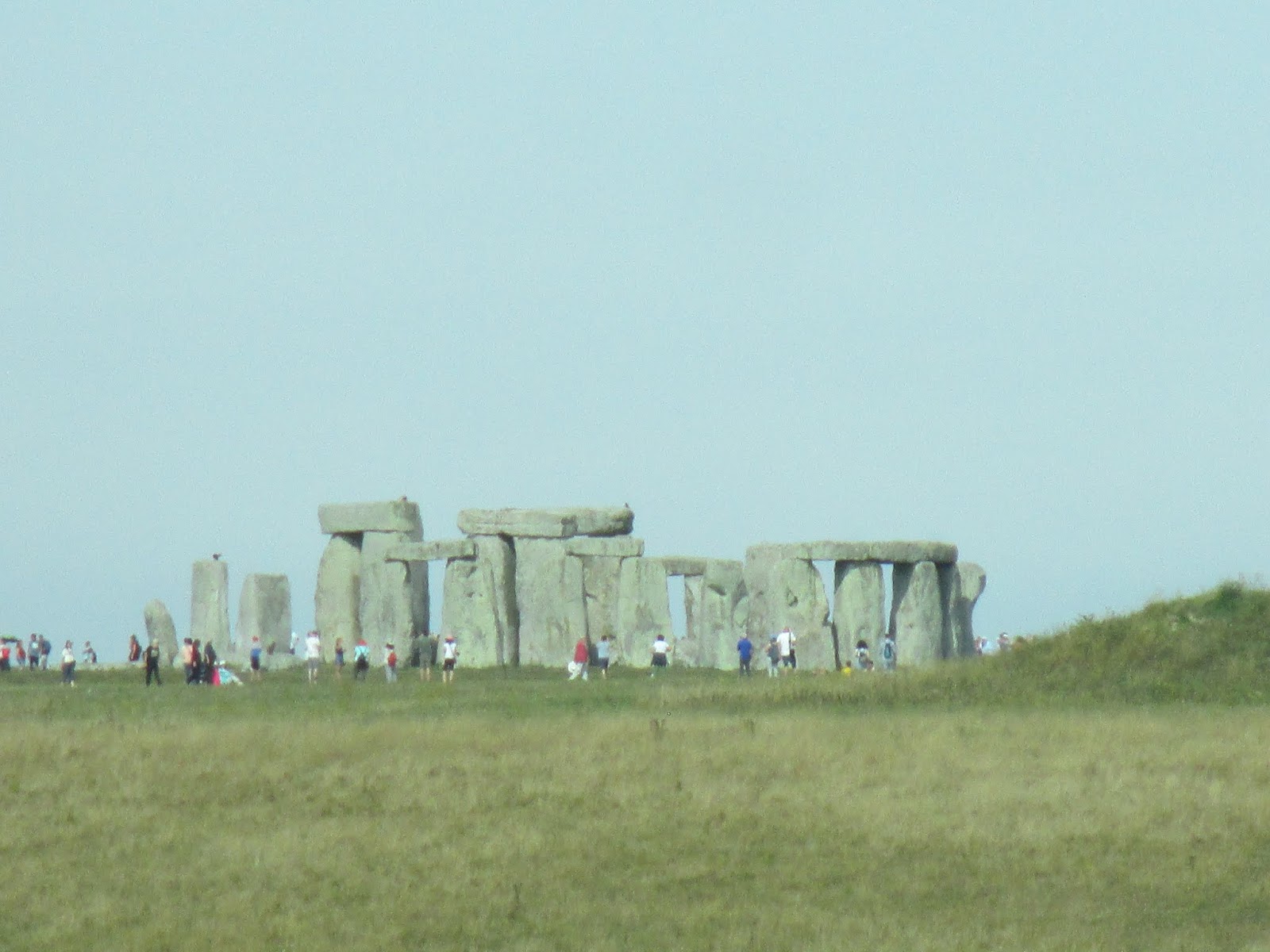
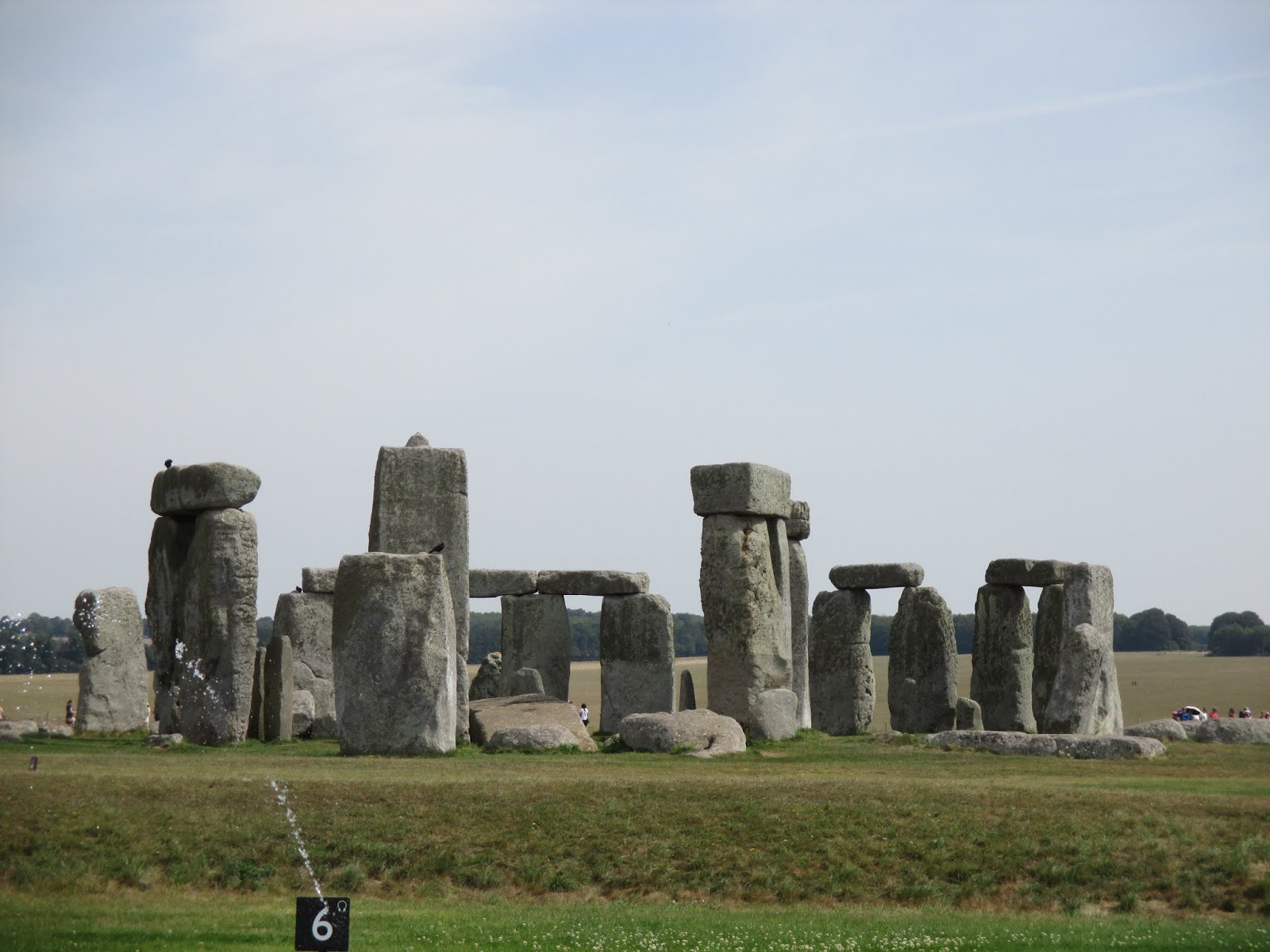
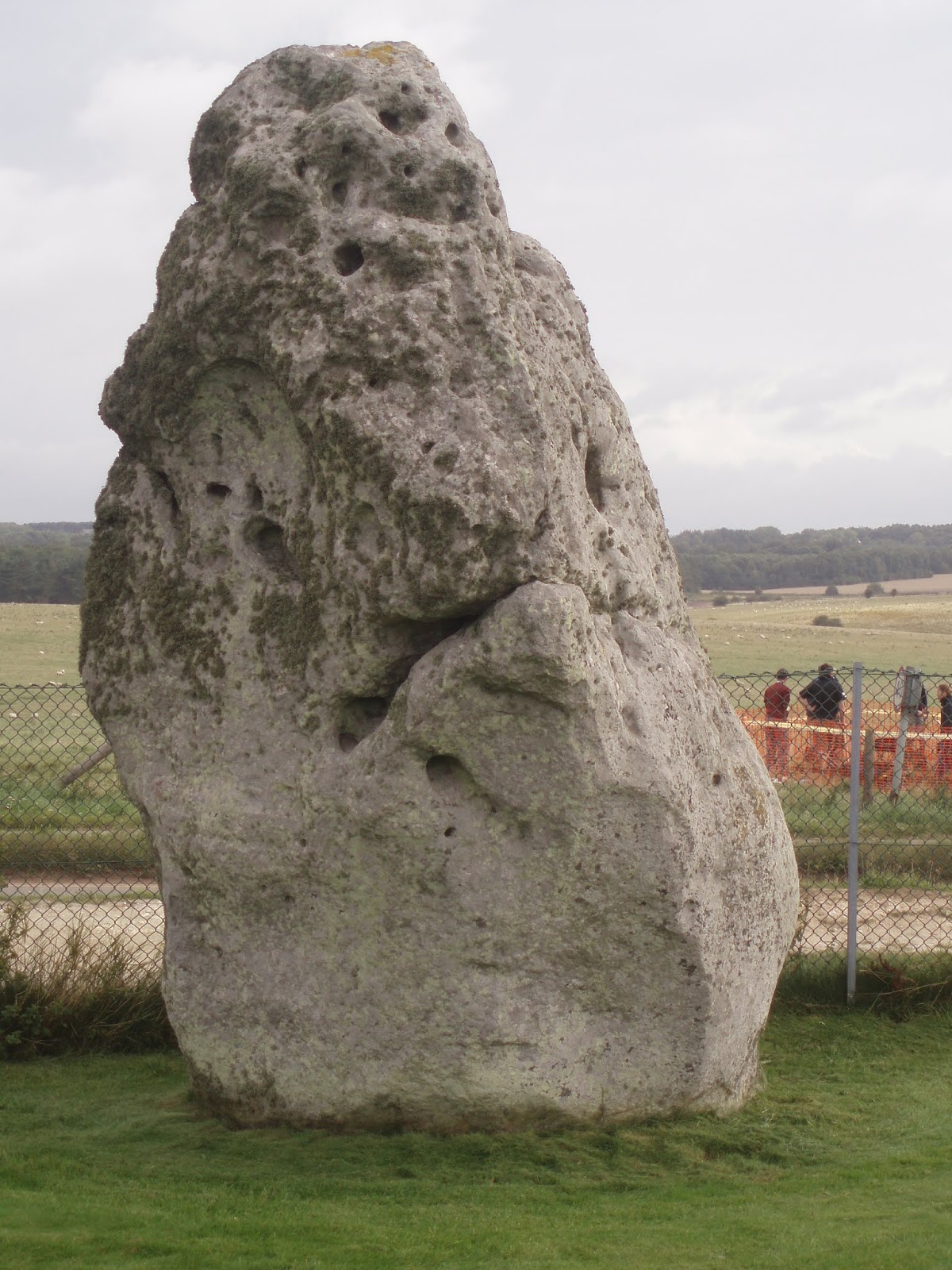
We’ve been blessed to visit Stonehenge not once, but twice—first in 2008, when we captured the photograph I shared, and again in the summer of 2018. And still, it calls us back. One day, we hope to return for the Summer Solstice, a dream that has lived quietly in our hearts for years.


Walking Into History

Stonehenge is one of the Seven Wonders of the World for a reason. People travel from every corner of the globe—pagans, historians, wanderers, and the simply curious—especially during the Solstice, when the sun aligns with the stones and the air feels charged with something ancient.


But you don’t need to arrive on a sacred date to feel the power of this land.


Standing before those towering stones, surrounded by open fields, farmland, and the quiet sweep of Wiltshire’s countryside, you feel time loosen its grip. You’re left with awe, questions, and a sense of connection to something older than memory. It’s humbling in the best way.


For me, Stonehenge awakened something deep in my Celtic, English, and Irish roots—something I didn’t even know was waiting. I made a conscious effort to be present, to listen, to absorb the energy of the land. And in doing so, I felt a kind of healing and knowing that I couldn’t have found anywhere else.


That first visit opened a door. It taught me that if I kept saying yes to the places that called me, the path would unfold. And it did. It still does.


Avebury: The Other Sacred Circle

During our first trip, we also visited Avebury, just twenty‑four miles from Stonehenge. If Stonehenge is the iconic monument, Avebury is the quiet, powerful sibling—vast, open, and deeply alive.

The moment you step onto its grounds, you feel it: the hum of the stones, the weight of history, the sense that you’re walking inside a living circle rather than observing one from afar. It’s one of the most sacred places in England, and its energy is unmistakable.


Why These Places Matter

Whether you’re a traveler, a history lover, a spiritual seeker, or simply someone who appreciates the beauty of the world, Stonehenge and Avebury offer something rare: a chance to stand where ancient hands shaped the earth, where rituals once rose with the sun, where the past still breathes.

These places remind us that we’re part of a much larger story—one that stretches back through our ancestors and forward into the unknown.

I hope the photographs I shared give you a glimpse of that magic. And I hope, someday, you have the chance to stand among these stones yourself. There’s nothing quite like it.


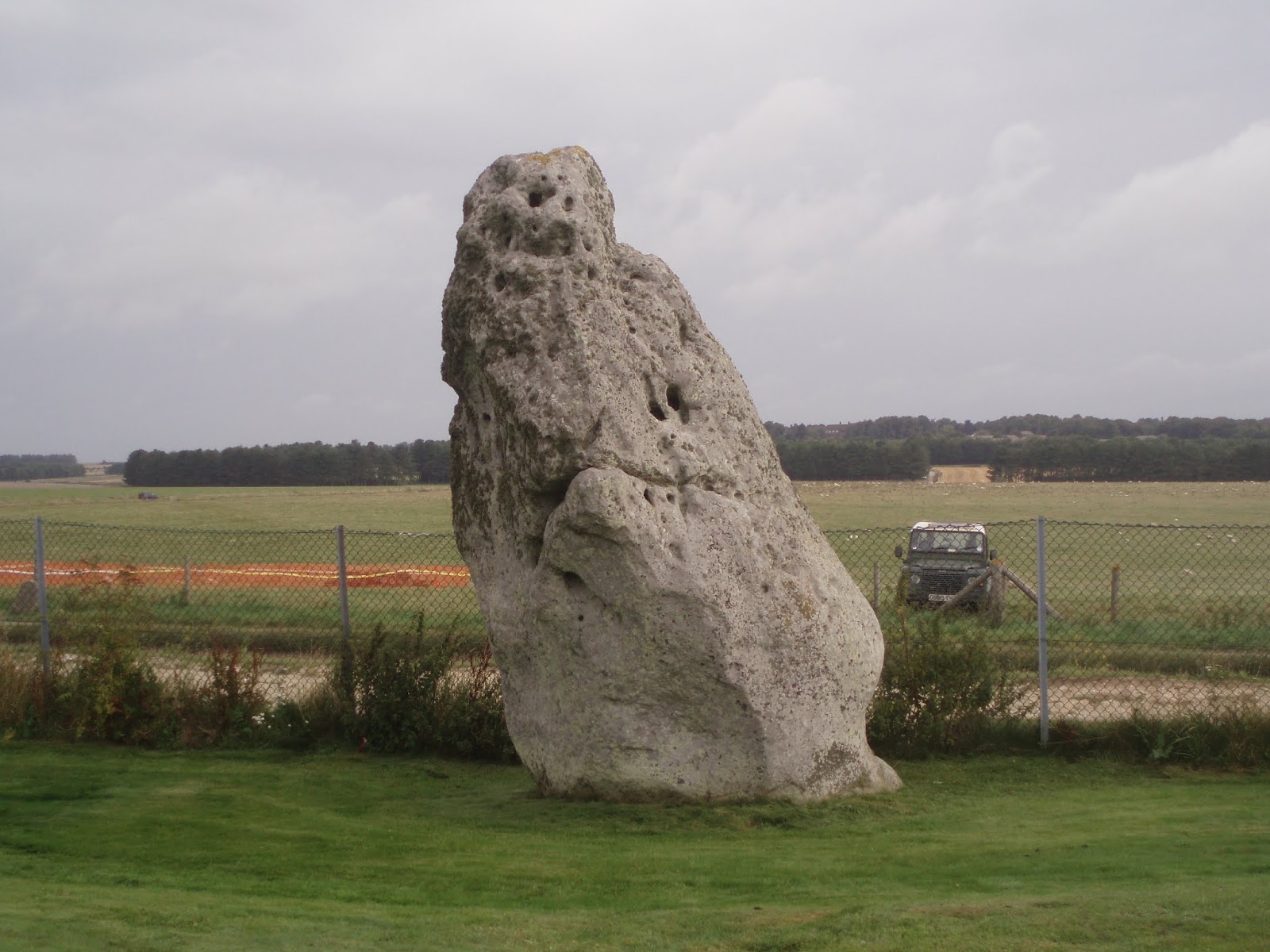
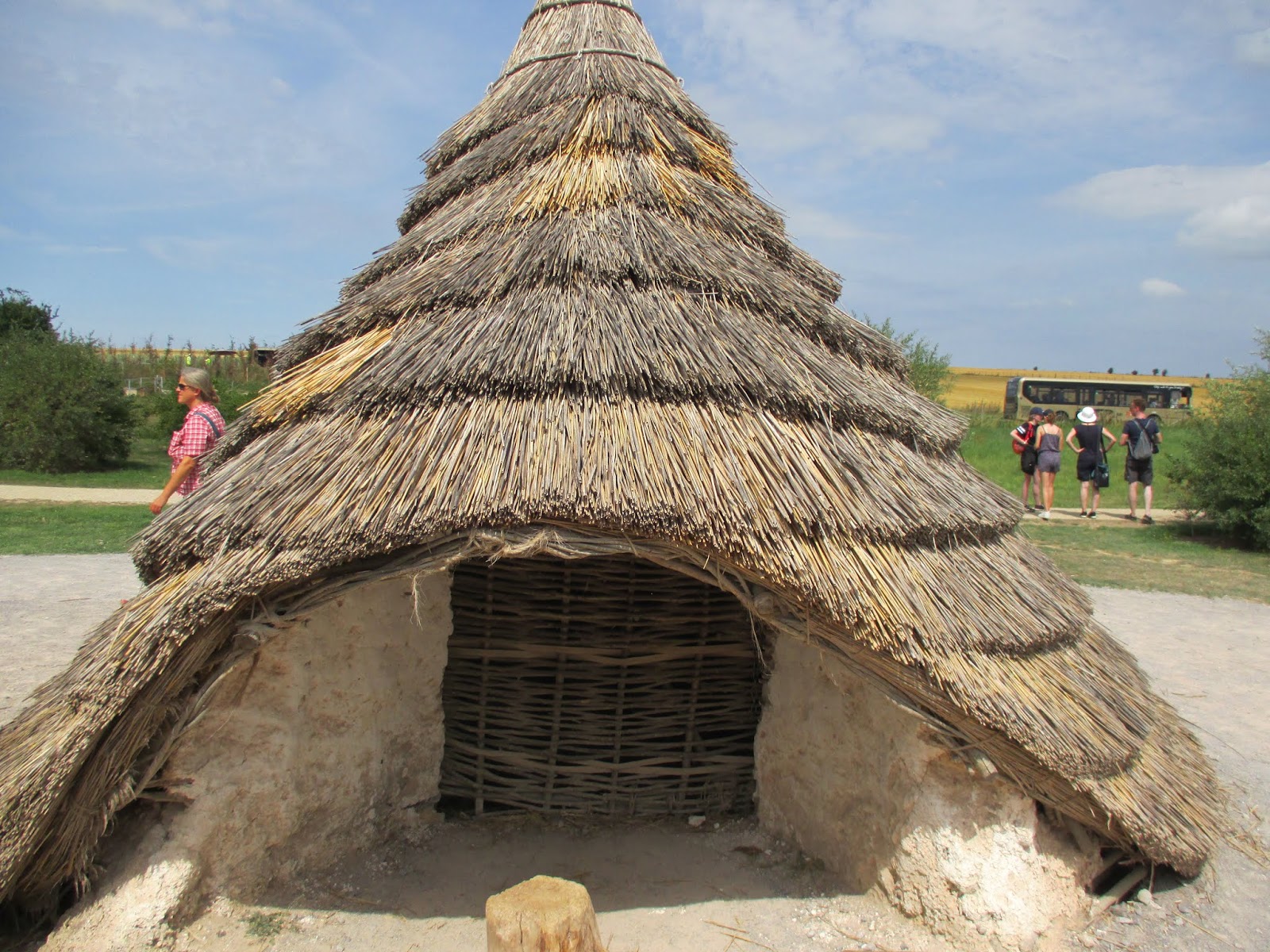
Below are some of the pictures we took on our visits.


We took all the photographs shared on this site. © All Rights Reserved to PumpkinSpice Hearthcraft