Showing posts with label History. Show all posts

Tuesday, February 24, 2026

Isle of Wight, England


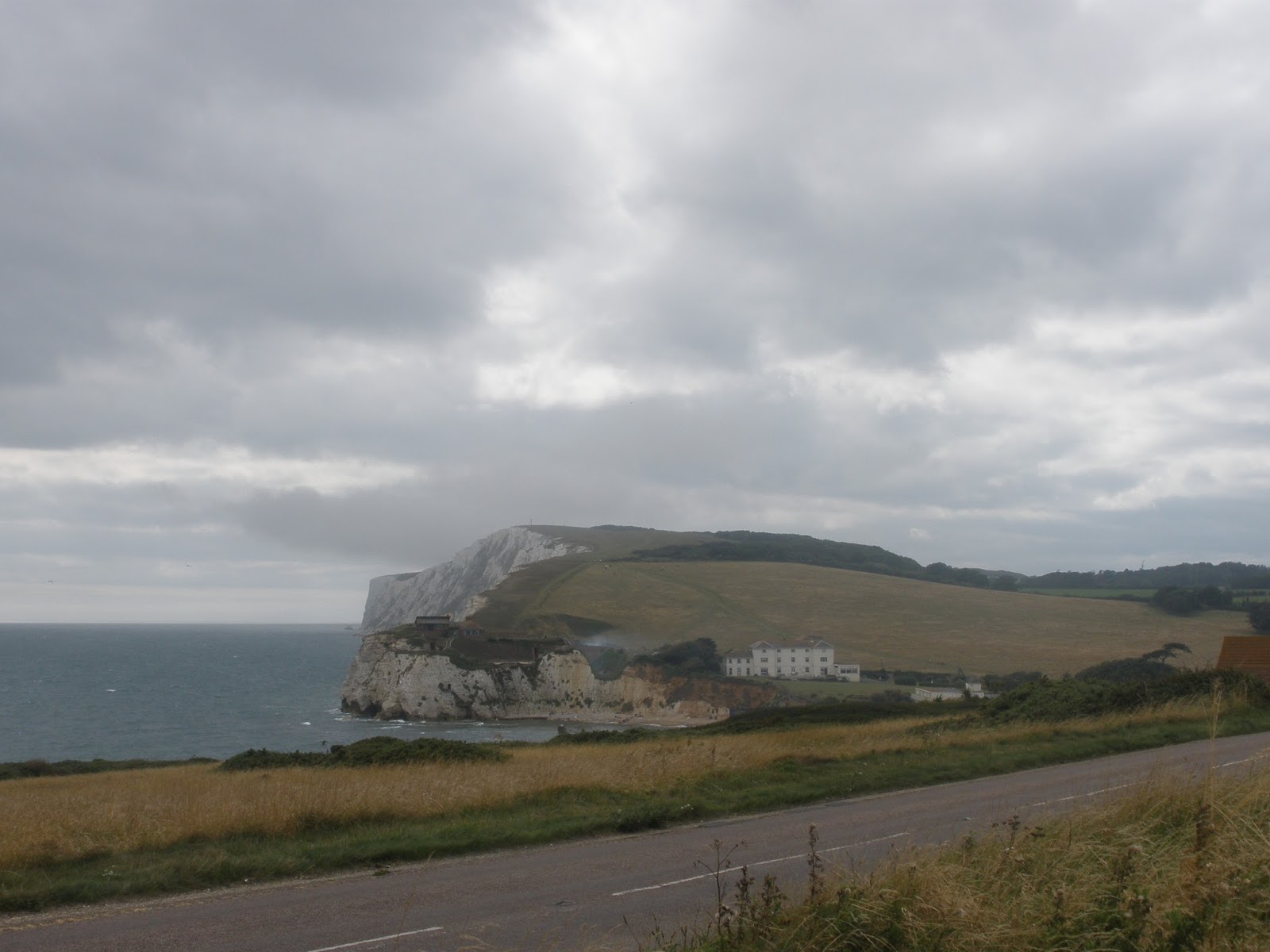
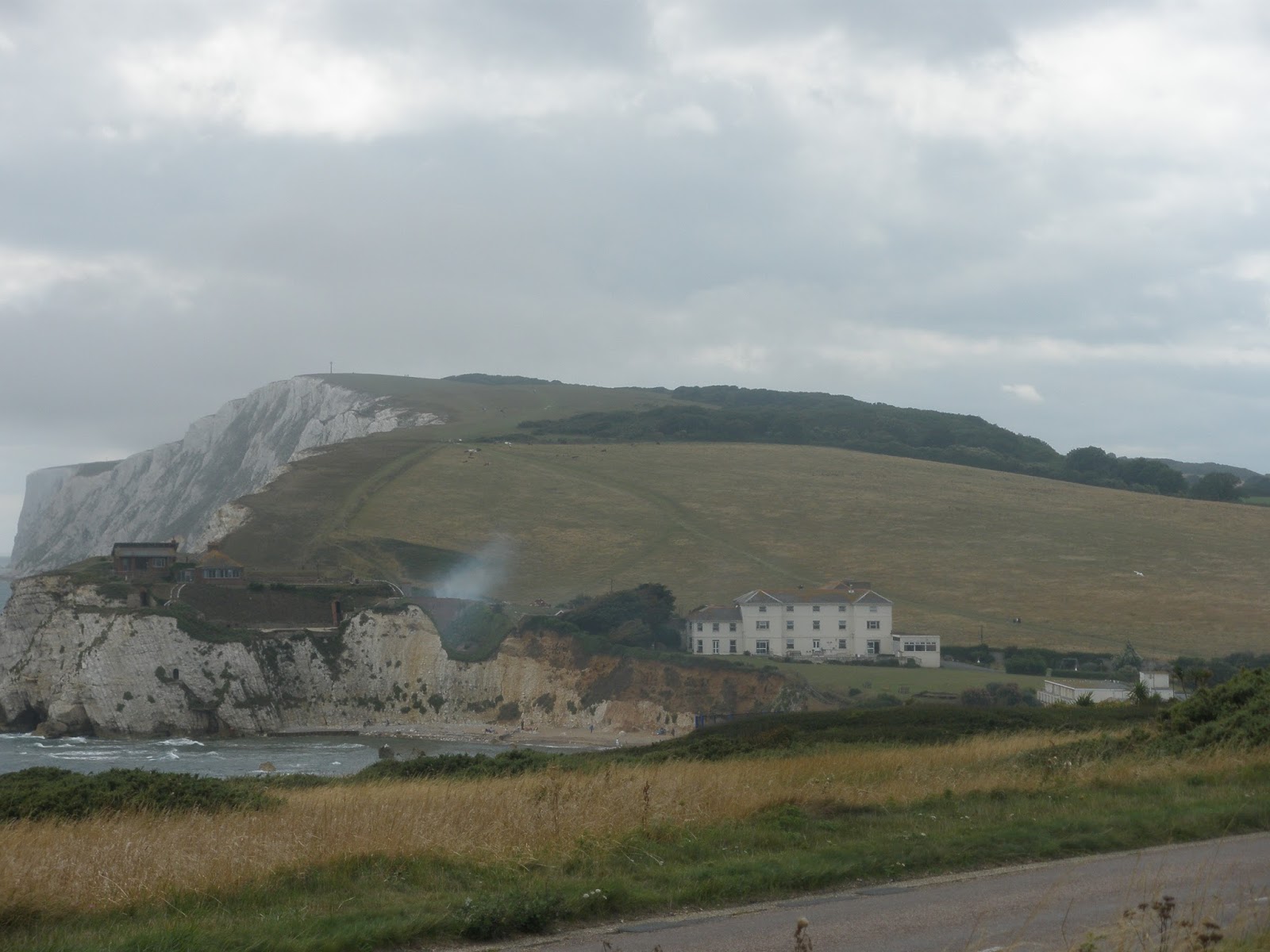
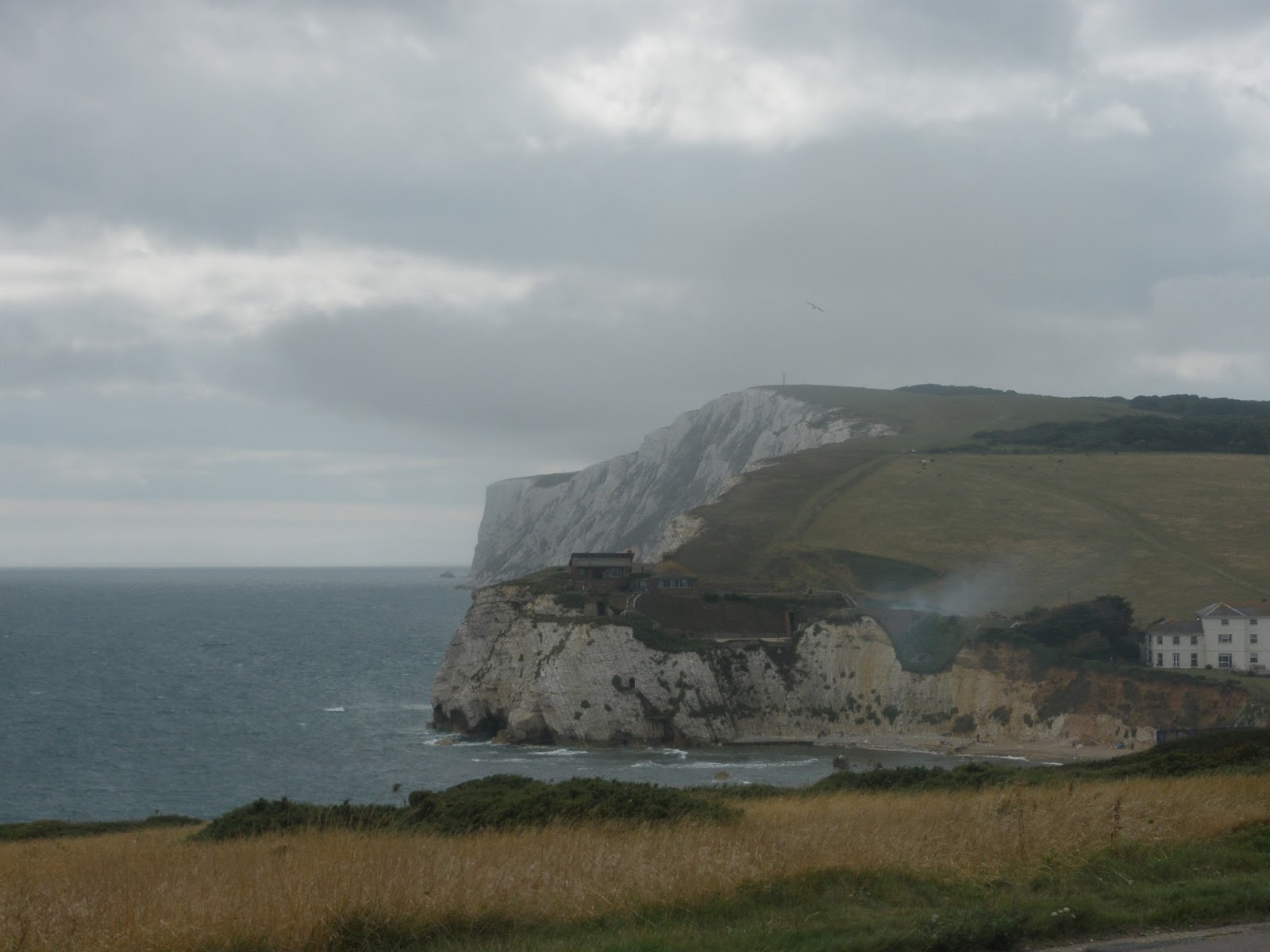
A Day on the Isle of Wight: Sunlight, Seabreeze, and Quiet Magic

It’s been about fourteen years now, but that day trip to the Isle of Wight still sits in my memory like a pressed flower — soft around the edges, sun‑warmed, and quietly perfect. We crossed over early, eager for a simple day of wandering, photographing, and soaking in whatever the island wanted to offer. No itinerary, no rush. Just the two of us, our cameras, and that familiar excitement that comes whenever we step into a new place.

The town we visited was quaint in the loveliest way — peaceful but not deserted, lived‑in without feeling crowded. The kind of place where the streets seem to breathe, where every window box and crooked lane feels like it has its own small story. The day was warm, the skies a soft English blue, and the air carried that unmistakable seaside scent: salty, crisp, and clean, like the sea itself had leaned in to kiss our cheeks.

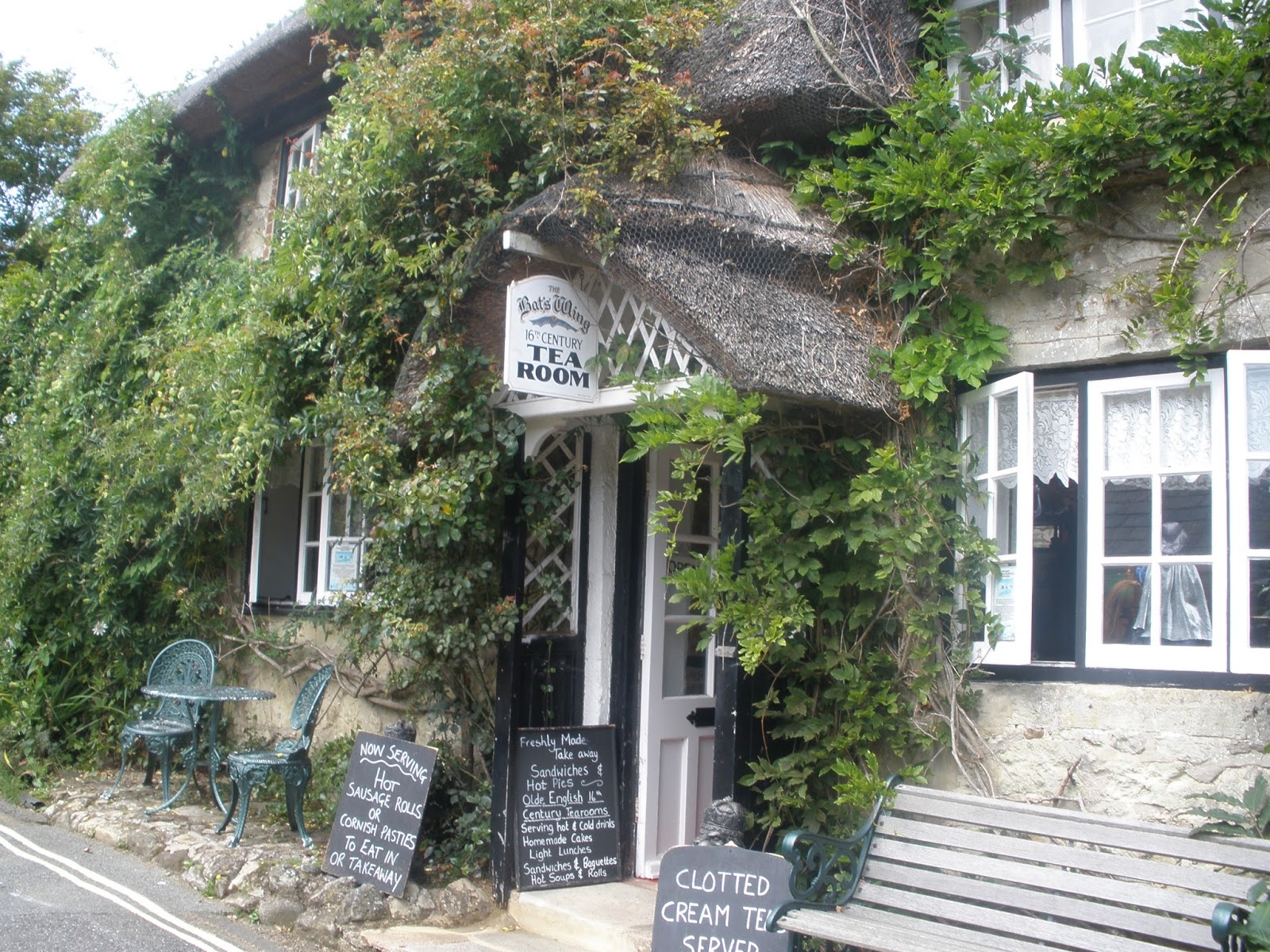
We wandered slowly, letting the town unfold around us. Past stone cottages with climbing roses, past little shops with hand‑painted signs, past the teashop we’d been so excited to visit. It was everything we hoped for — cozy, fragrant, and welcoming, the sort of place where time seems to loosen its grip. We lingered over our cups, savoring the moment as much as the tea.

Afterward, we walked along the water, taking pictures of anything that caught our eye — the curve of the shoreline, and the way the sunlight shimmered on the waves,. The sea breeze wrapped around us, cool and bright, carrying the distant cries of gulls and the soft hush of the tide. It was one of those rare days where everything feels aligned — the weather, the mood, the company, the simple joy of being somewhere new.

Travel has always been that for us: a way of gathering little pieces of the world, whether it’s a grand city or a tiny village, a long journey or a single afternoon. We make the most of every place we’re fortunate enough to stand in, and the Isle of Wight was no exception. It was gentle, beautiful, and quietly memorable — the kind of day that stays with you long after you’ve gone home.


Folklore of the Isle of Wight

The Isle of Wight is small, but its folklore is wonderfully rich — a mix of sea‑legends, ghost stories, and old island mysteries that have drifted through generations.


The Ghostly Monks of Appuldurcombe

Not far from where many visitors wander, Appuldurcombe House is said to be haunted by the spirits of monks who once lived on the land long before the grand estate was built. People claim to see robed figures gliding through the ruins at dusk, silent and watchful, as though still tending to the grounds they once called home.

The Mermaid of Freshwater Bay

Local legend tells of a mermaid who lived in the waters near Freshwater Bay. She was said to be gentle but lonely, often seen combing her hair on the rocks at twilight. Fishermen believed that spotting her meant calm seas and safe passage — a blessing from the deep.

The Dragon of St. Catherine’s Down

One of the island’s oldest tales speaks of a dragon that once lived on St. Catherine’s Down. According to the story, it carved deep grooves into the hillside as it coiled and uncoiled its massive body. Some say the marks can still be traced today, softened by time but not erased.

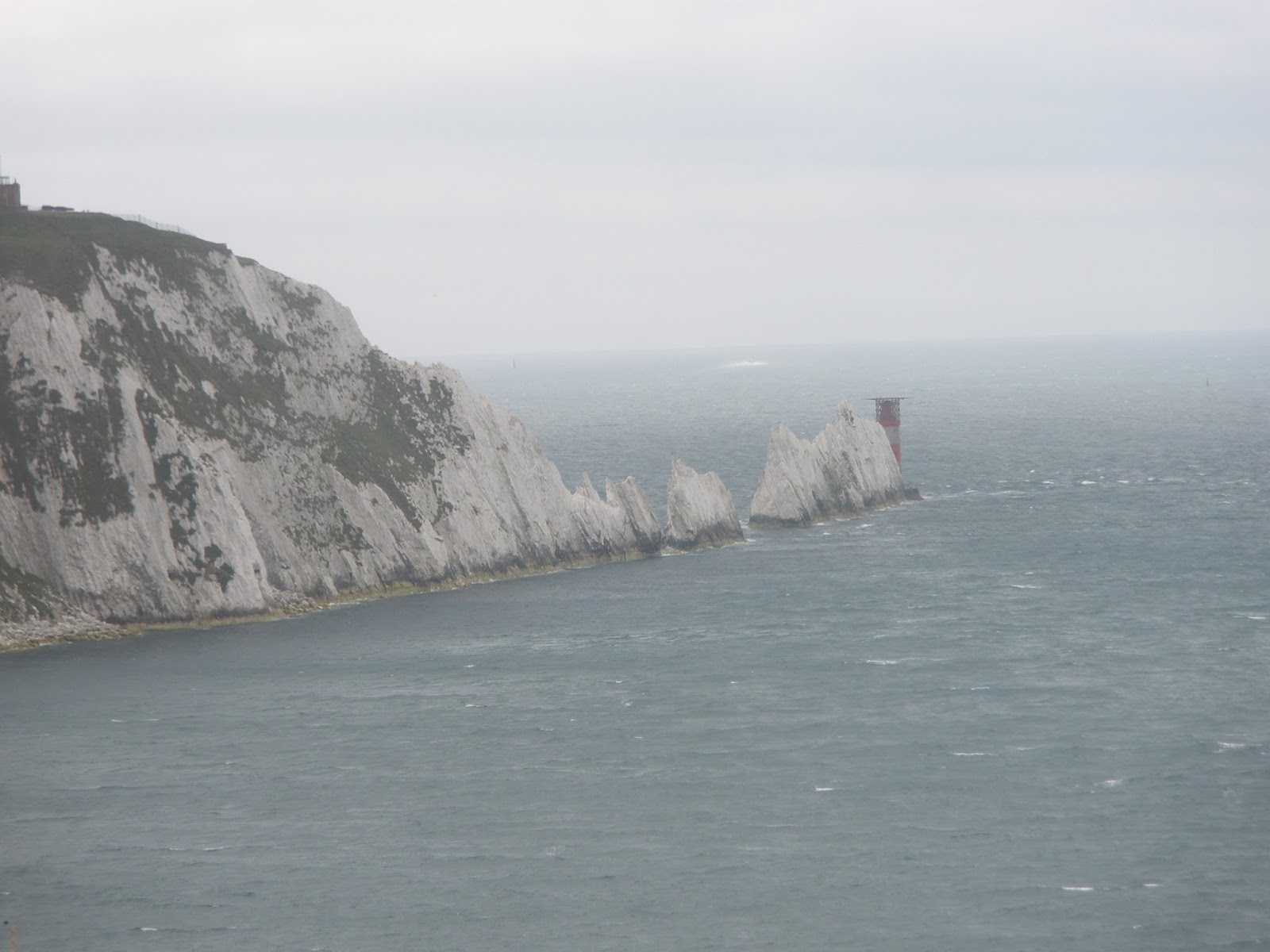
The Ghost Ship of the Needles

Sailors have long whispered about a phantom ship that appears near the Needles during stormy weather. It glows faintly in the mist, drifting silently before vanishing without a trace. Some believe it’s the spirit of a vessel lost centuries ago, forever trying to find its way home.


Saturday, February 21, 2026

Glastonbury Abbey, England


Glastonbury Abbey – England

Where history, myth, and spirit braid together.

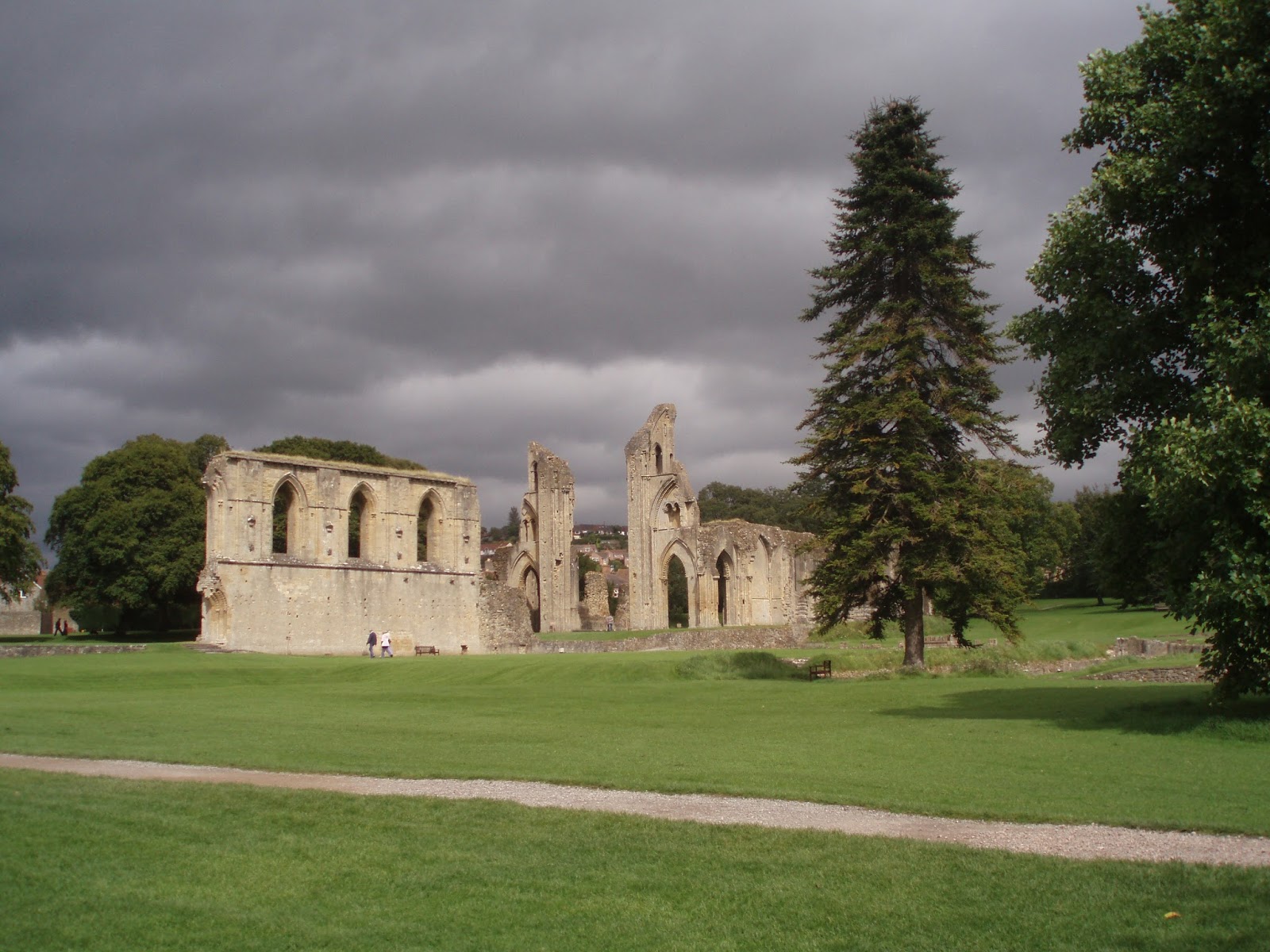
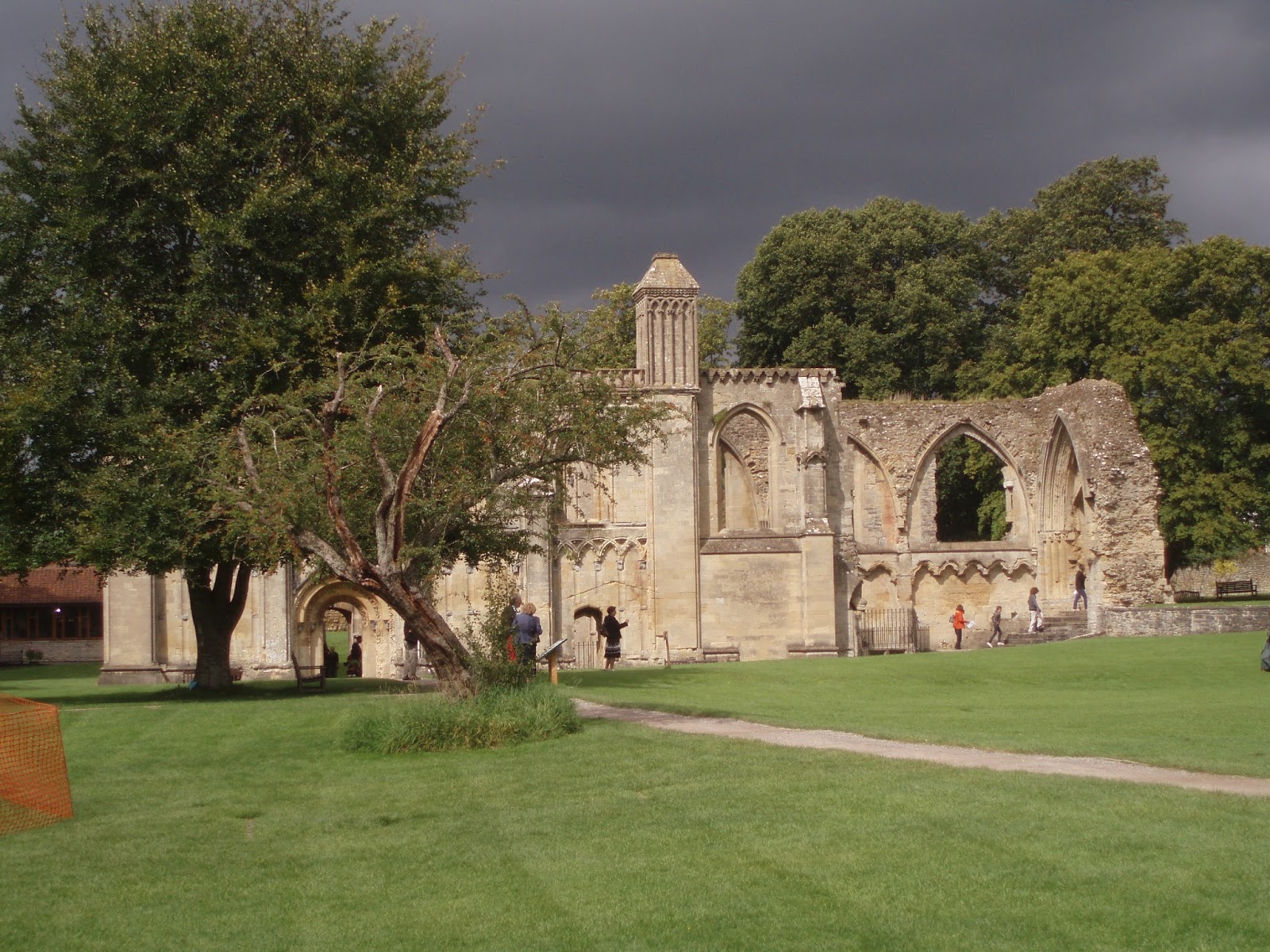
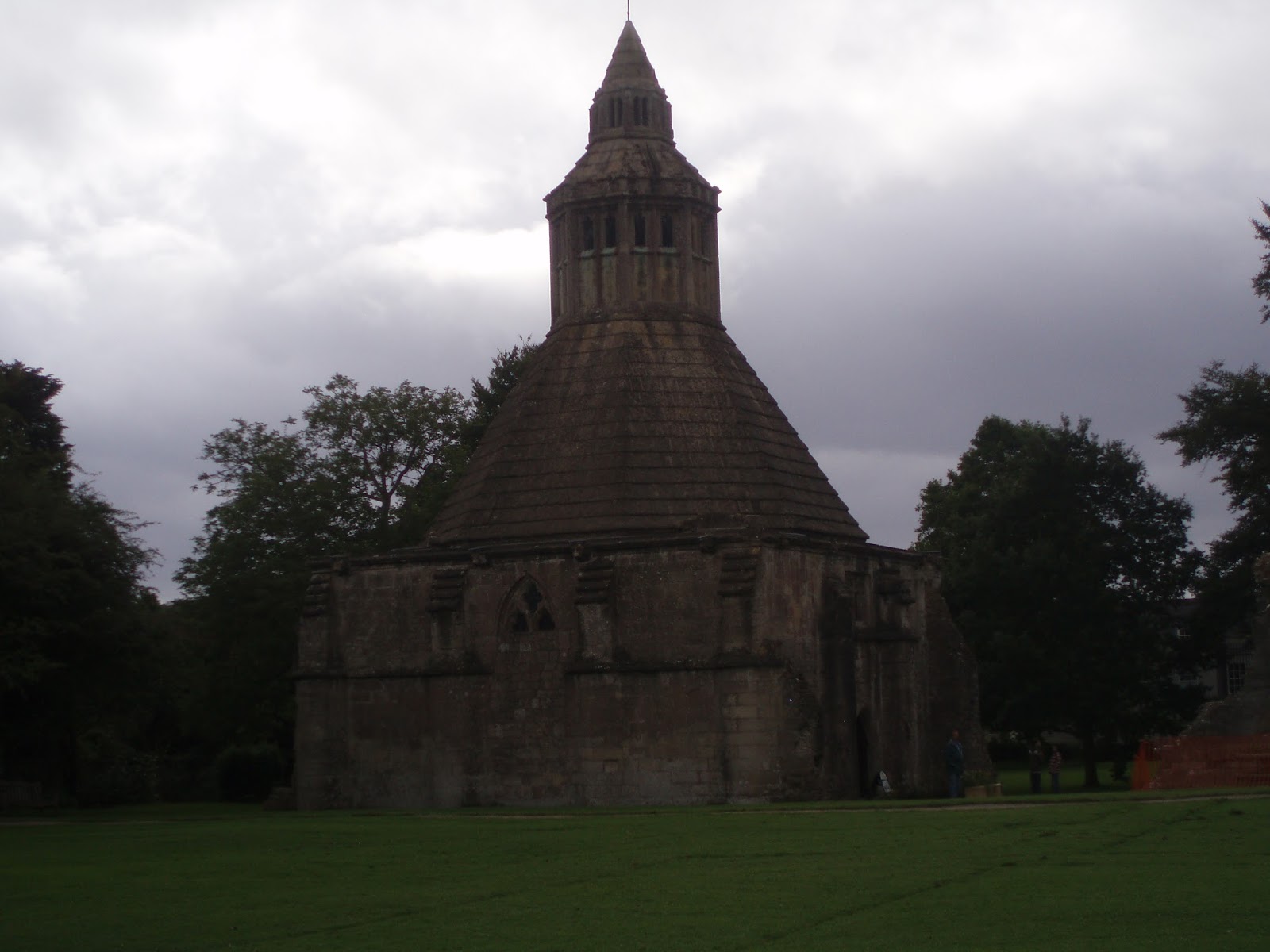
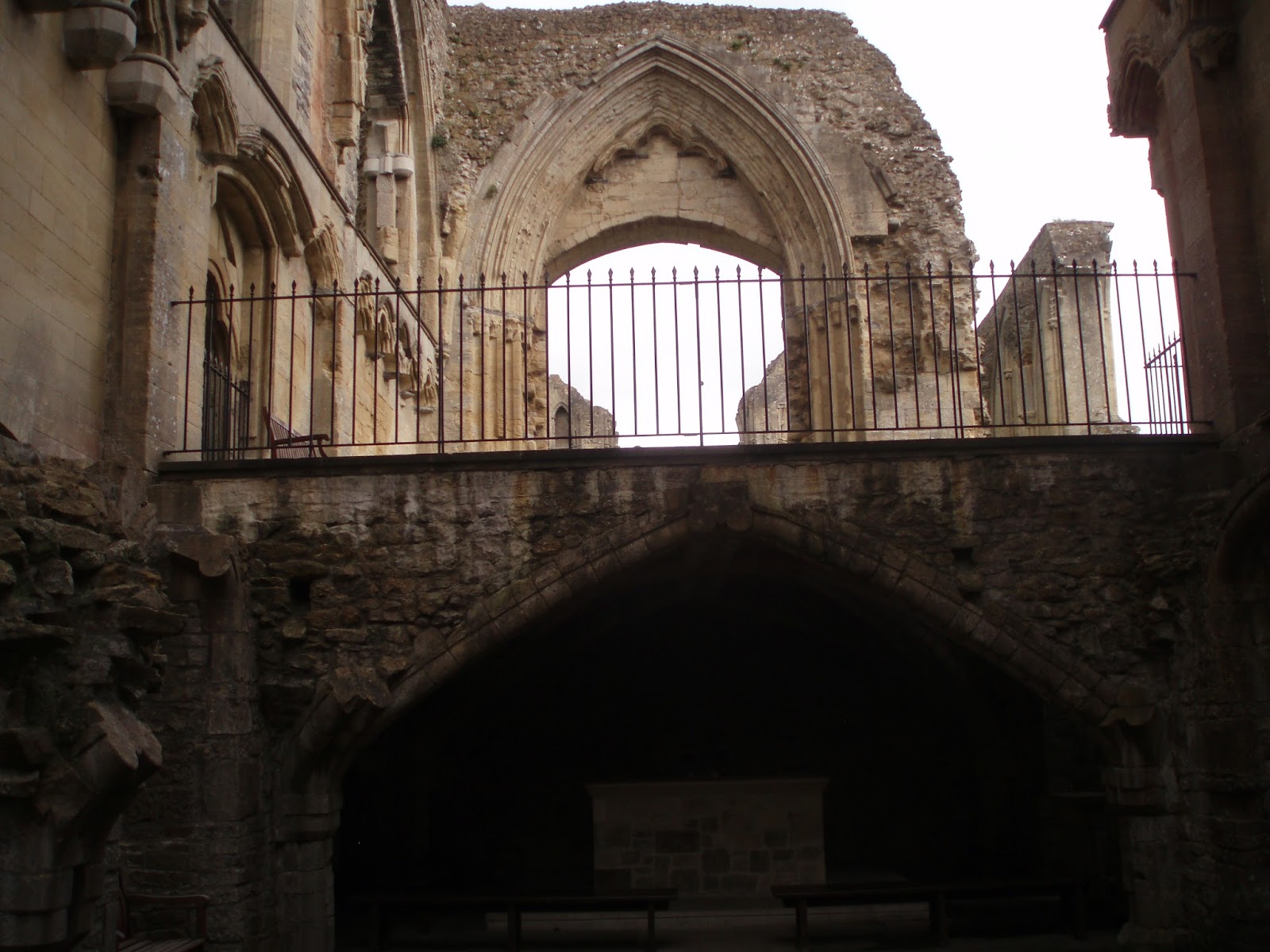
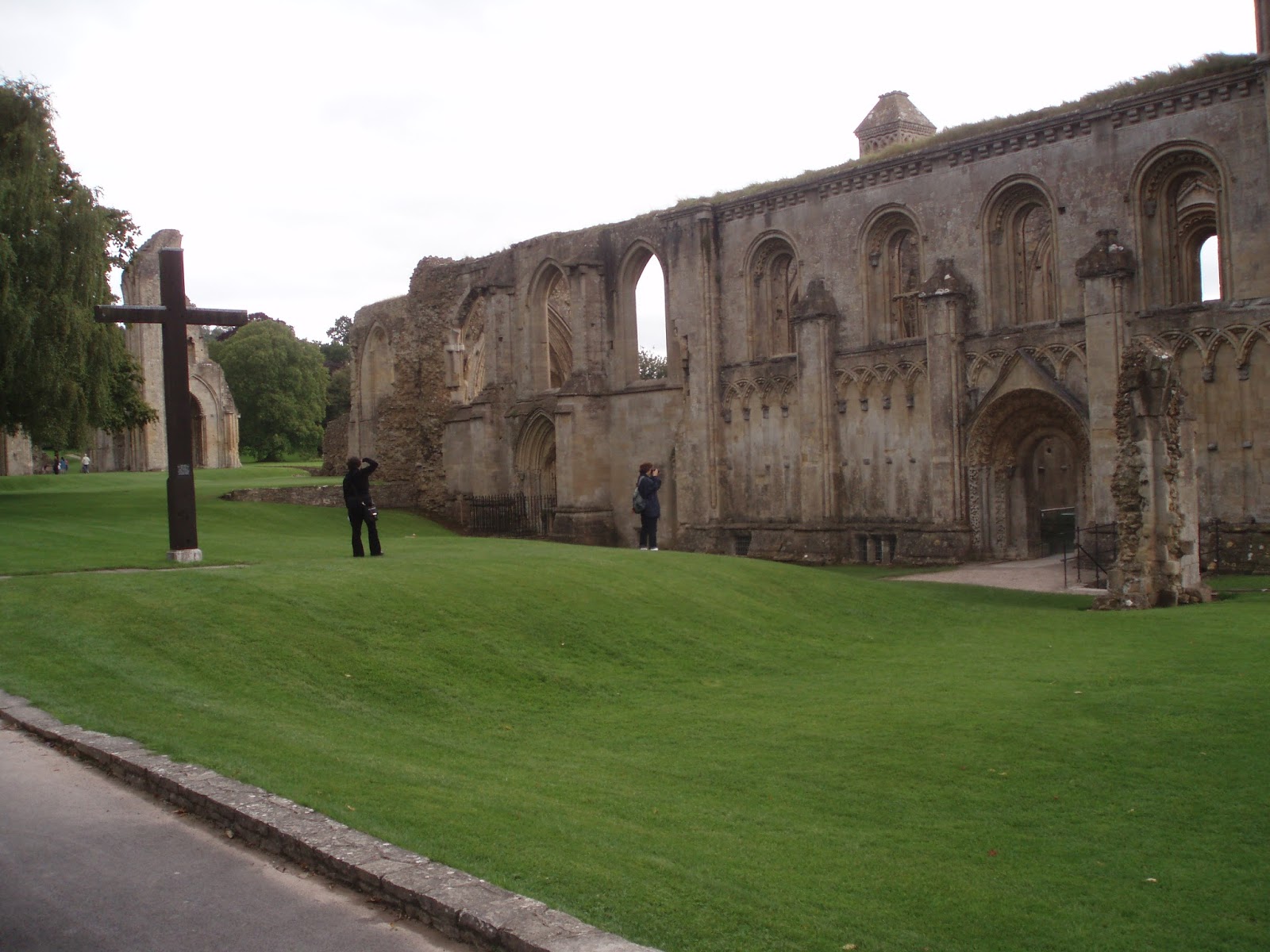
We’ve visited Glastonbury Abbey a few times over the years, and the photographs I shared are from our very first visit. Glastonbury is one of those places that pulls you back without asking — a place we’ll return to many more times because it never feels finished. The Abbey especially has that quality: peaceful, ruined, and yet somehow still listening.

Walking through the arches and open lawns, you can feel how many layers of story live here. Folklore doesn’t sit on top of Glastonbury; it rises up from the ground like mist.

The Ghostly Monk

For generations, people have spoken of a silent monk who wanders the ruins at dusk. He’s usually described as hooded, solitary, and unbothered by visitors — more guardian than ghost. Some say he’s one of the last Benedictines, lingering out of devotion. Others believe he’s tied to the Abbey’s dissolution, a spirit who never left his post. Whether he’s seen or simply sensed, the Abbey has that unmistakable “someone else is here” stillness.

Arthurian Echoes

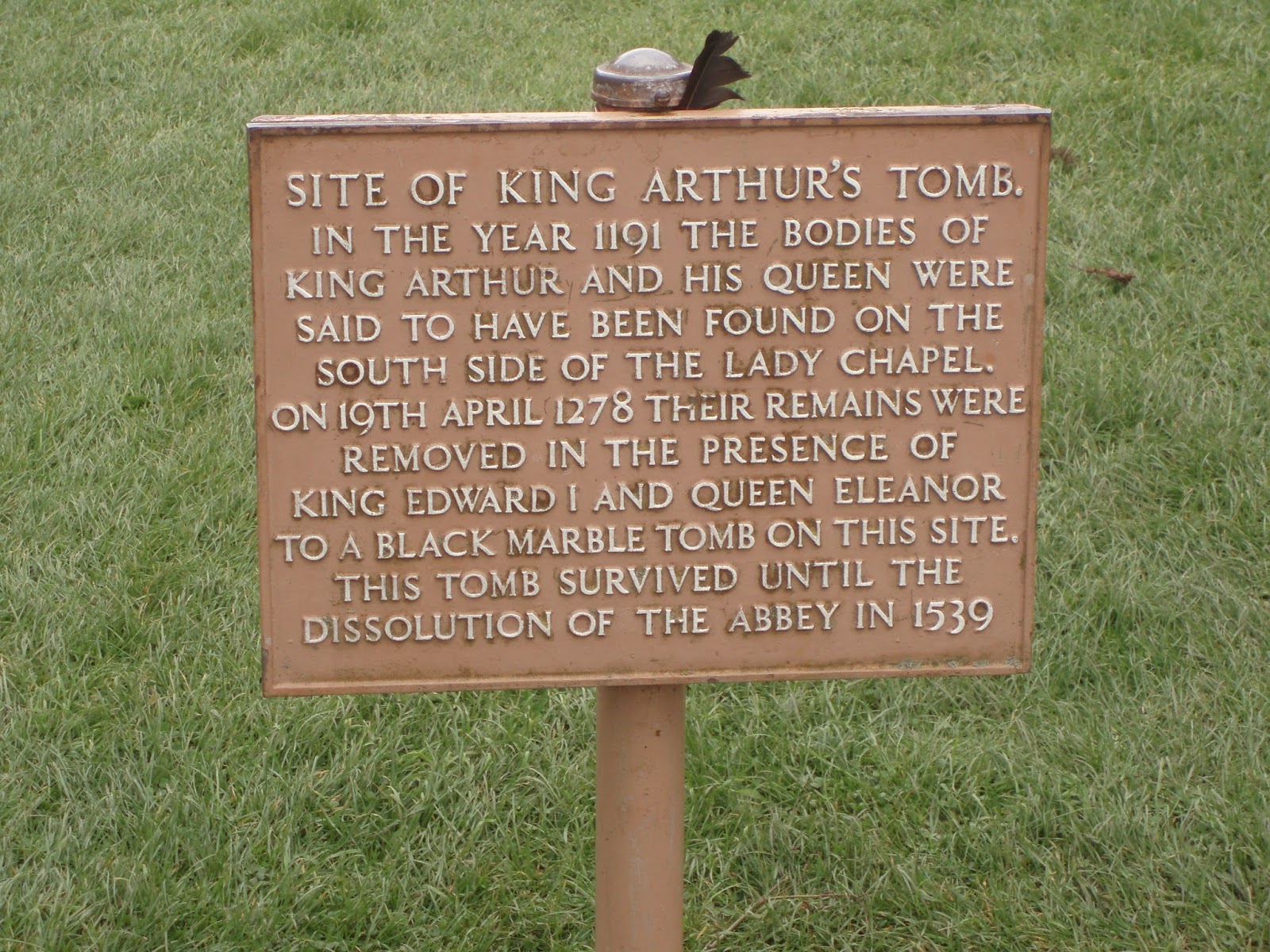
Glastonbury Abbey is also wrapped in the legend of King Arthur. In the 12th century, monks claimed to have discovered the graves of Arthur and Guinevere on the grounds — a story that has been debated ever since. Whether it was truth, myth, or a bit of medieval marketing, the legend stuck. Today, the Abbey feels like one of the few places where Arthurian lore doesn’t feel like a story told about a place, but a story that grew from it.

Some say Avalon itself is hidden in the landscape around Glastonbury, and the Abbey is one of its doorways.

The Holy Thorn

Another thread of folklore winds through the Abbey grounds: the Glastonbury Thorn. According to tradition, Joseph of Arimathea planted his staff here, and it miraculously took root and blossomed. The original tree is long gone, but its descendants still bloom around town — a reminder that Glastonbury’s stories are as botanical as they are mythical.

A Place That Unfolds Over Time

Every visit reveals something different — a new angle of light through a broken arch, a detail in the stone you didn’t notice before, a feeling that wasn’t there last time. Glastonbury Abbey doesn’t give everything at once. It reveals itself slowly, like a place that knows you’ll be back.

And we will.
Because places like this don’t finish speaking after one visit.

They unfold.


Wednesday, February 18, 2026

Tale of Stingy Jack


✨ The Tale of Stingy Jack — A Cozy, Spooky Folklore Retelling ✨

In old Irish folklore, there lived a man known far and wide as Stingy Jack — a clever trickster with a silver tongue and a talent for getting himself into trouble. Jack was the sort of fellow who could talk his way out of anything… even a meeting with the Devil himself.

One chilly autumn night, Jack invited the Devil out for a drink. True to his nickname, Jack had no intention of paying. Instead, he convinced the Devil to turn into a shiny coin to settle the bill. But the moment the Devil transformed, Jack slipped the coin into his pocket — right beside a small silver cross. The cross trapped the Devil, who found himself stuck in Jack’s coat like a moth in a lantern.

After much bargaining (and more than a little grumbling), Jack finally agreed to free him — but only if the Devil promised not to take Jack’s soul when his time came. The Devil, annoyed but defeated, agreed.

Years passed, and eventually Jack’s mischief caught up with him. When he died, Heaven refused him for his trickery, and Hell turned him away because of the Devil’s old promise. Jack found himself stuck between worlds, with nowhere to go and no place to rest.

Seeing Jack wandering in the dark, the Devil tossed him a single burning coal — a small, stubborn ember meant to light his endless journey. Jack carved out a turnip, placed the coal inside, and made himself a lantern to guide his way. And so he became Jack of the Lantern, doomed to roam the night with his eerie little light.

When Irish families later came to America, they found pumpkins — bigger, brighter, and much easier to carve than turnips. The tradition grew into the glowing Jack‑o’-Lanterns we know today, set on porches and windowsills to keep wandering spirits (and tricksters like Jack) at bay.


Monday, February 9, 2026

Laurel Hill Cemetery, PA


We took all the photographs shared on this site. © All Rights Reserved to PumpkinSpice Hearthcraft
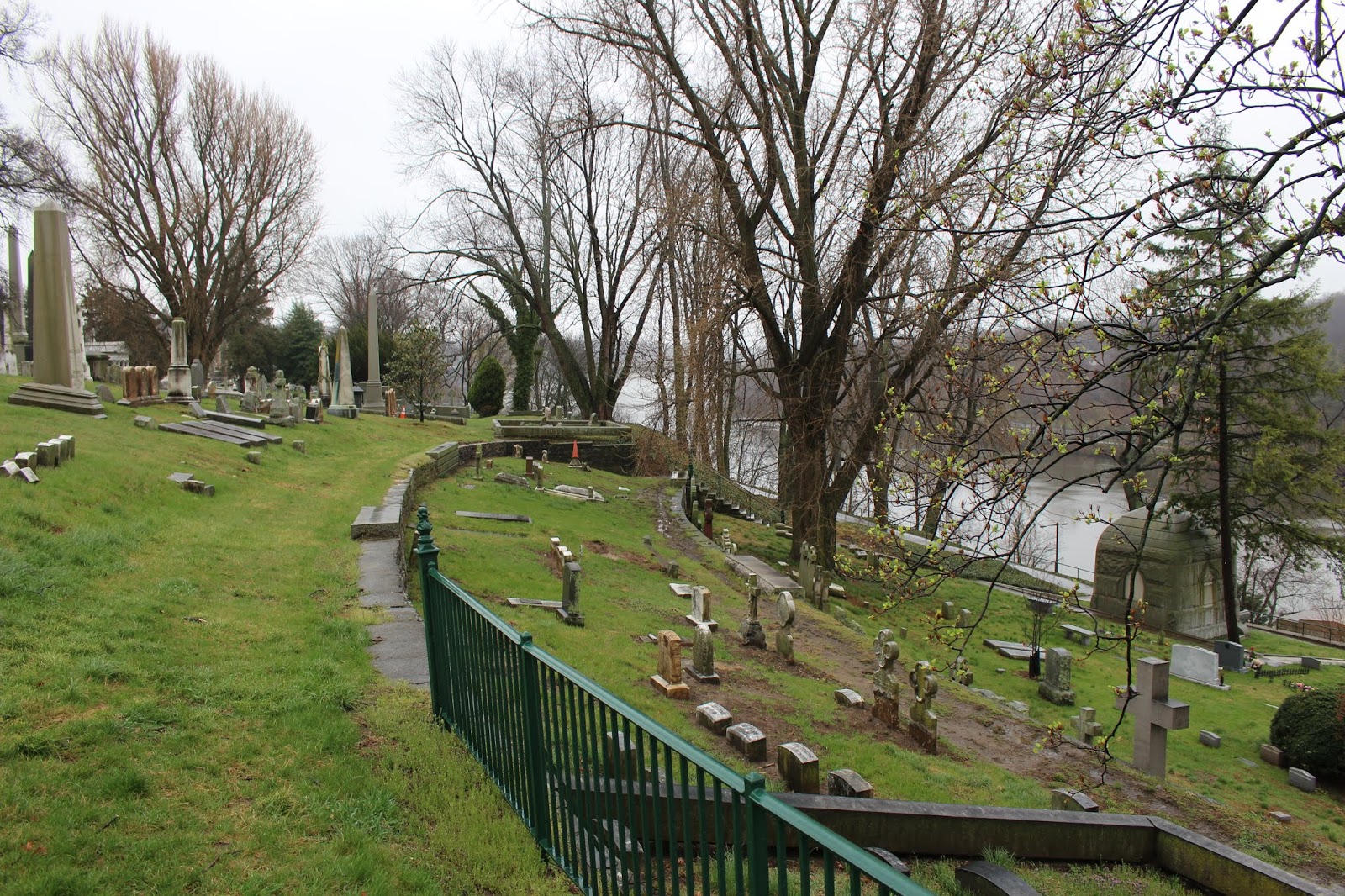
🍂 Laurel Hill Cemetery, Philadelphia

A PumpkinSpice Hearthcraft Field Note Visited on a rain‑washed afternoon
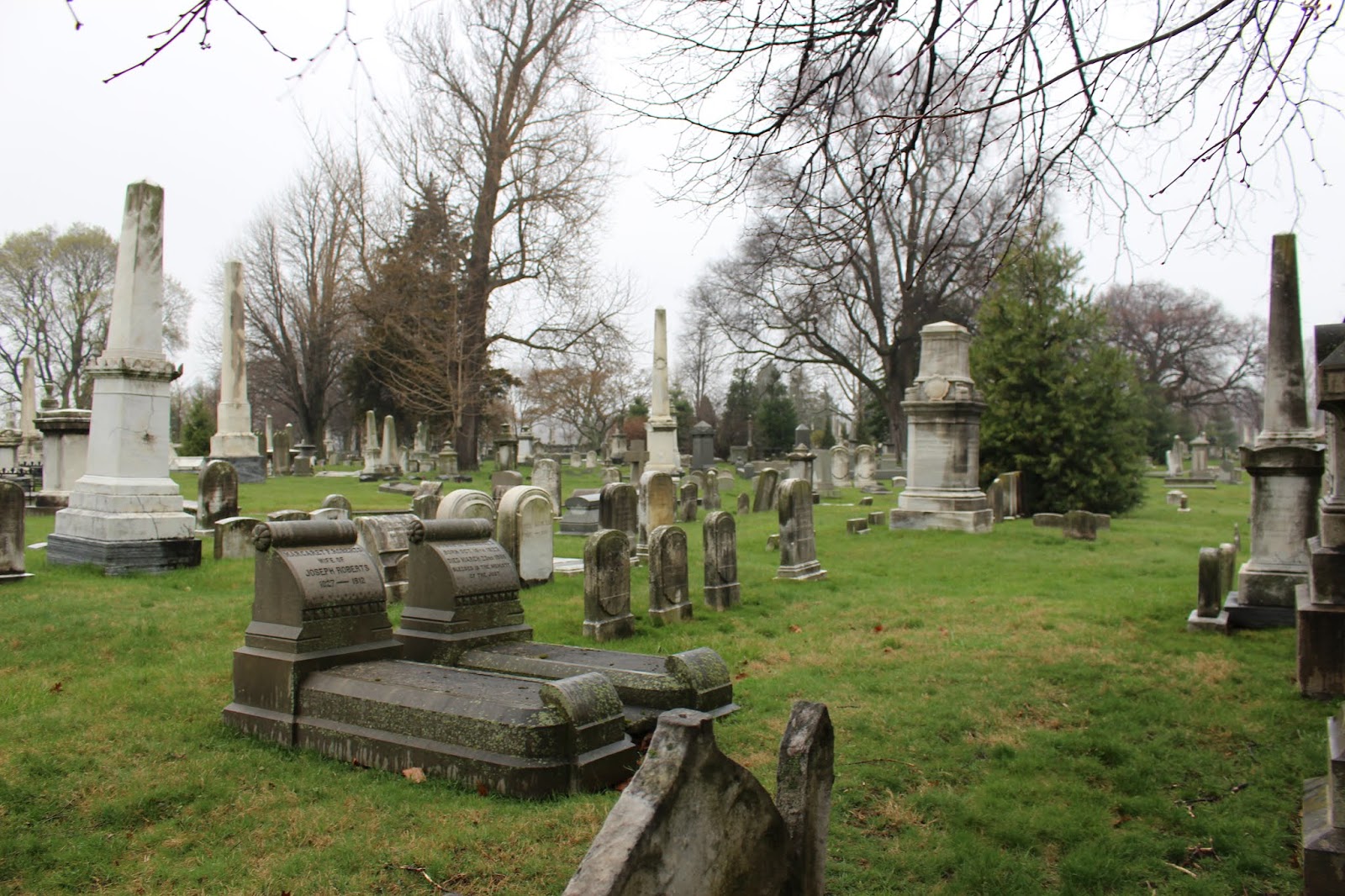
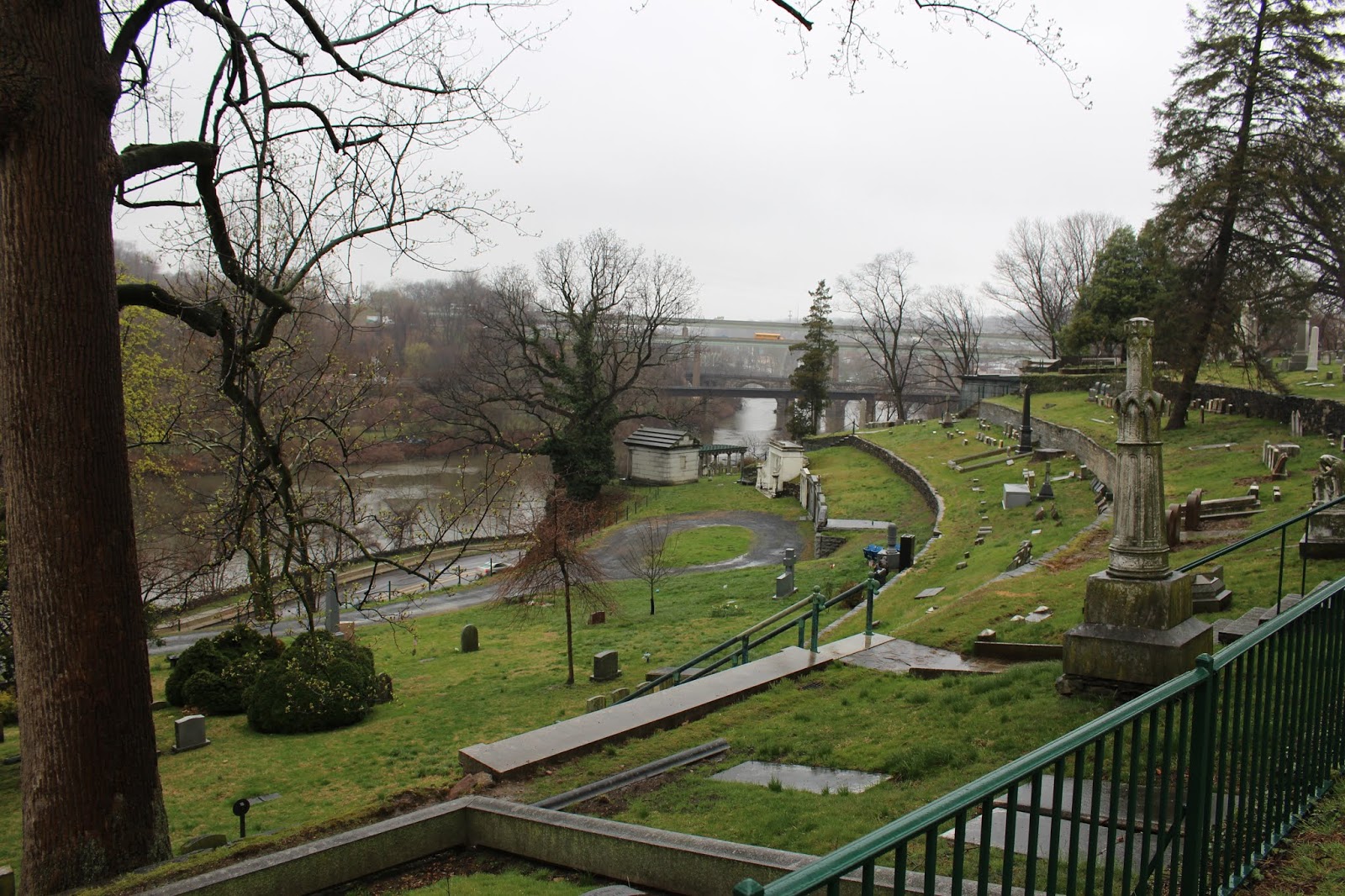
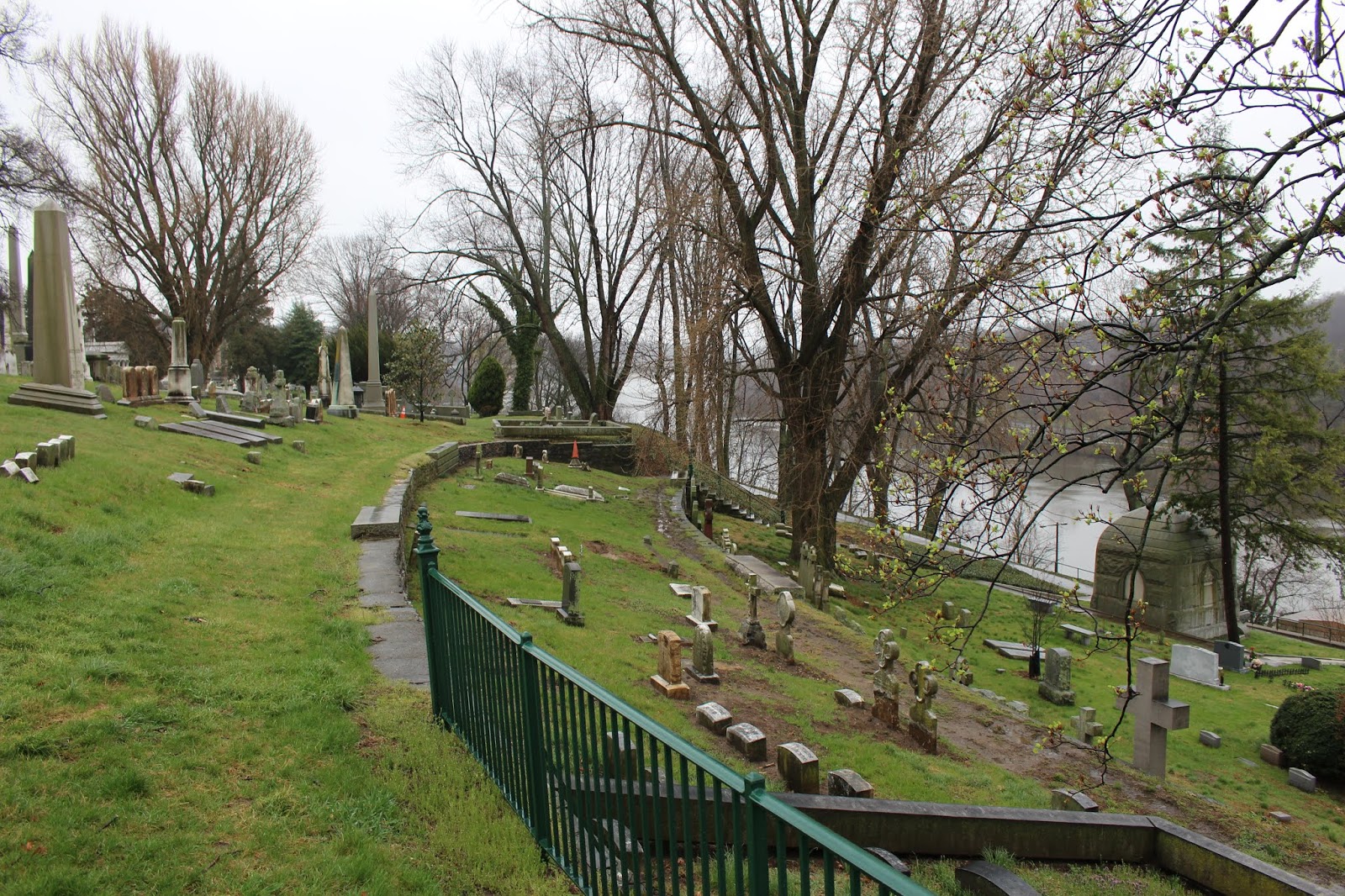
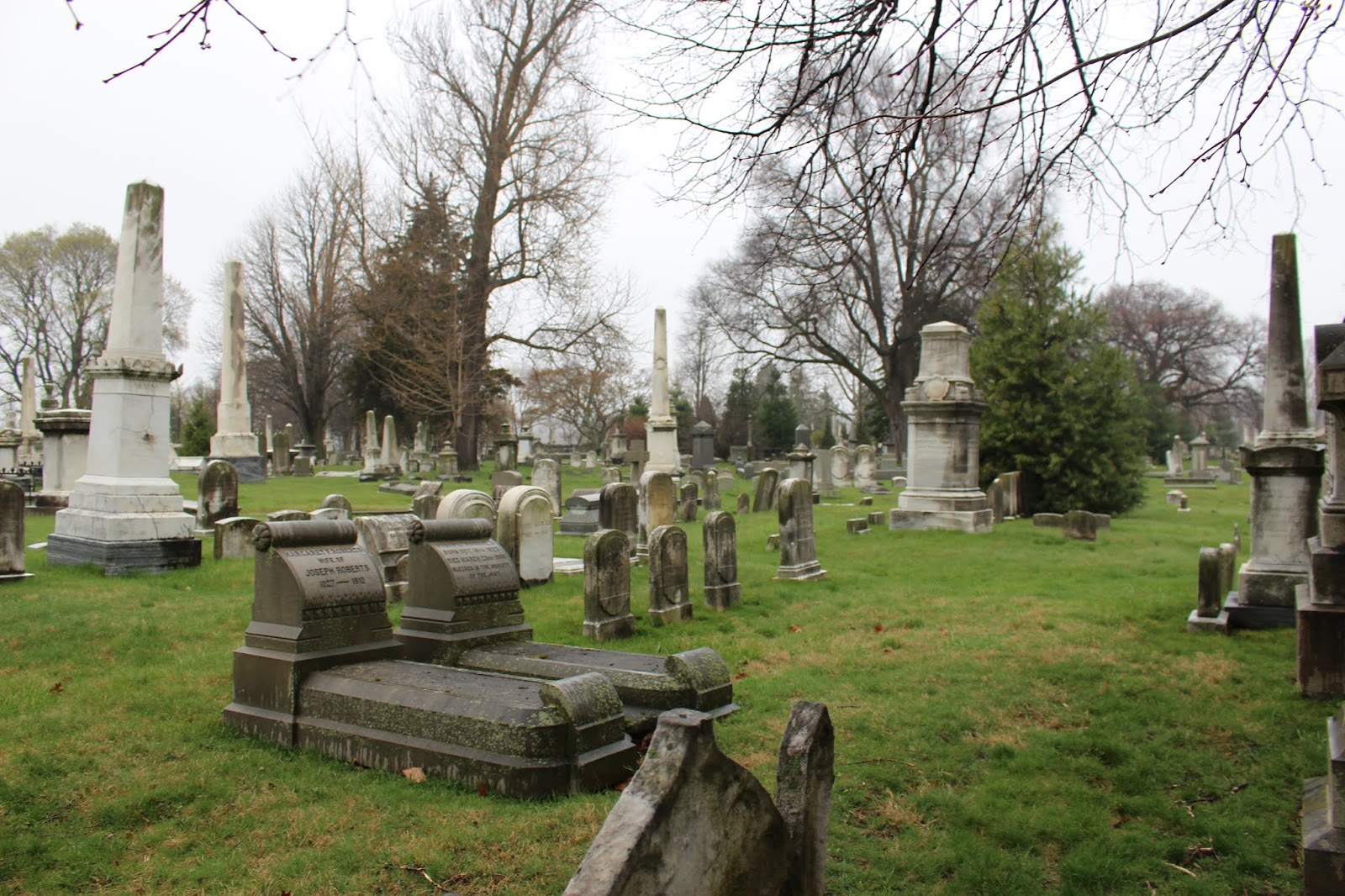
Laurel Hill greeted us on a soft, overcast day — the kind of weather that turns stone into story and makes every carved name feel a little closer. A steady drizzle followed us through the gates, sometimes gentle, sometimes insistent enough that we tucked our cameras beneath our coats and waited for the clouds to catch their breath. Even so, we managed to gather a lovely handful of photographs, a few of which are shared here.

Cemeteries have always been places of folklore and history for us — once tangled up in the paranormal craze of our younger years, but now appreciated with a quieter, deeper affection. With age comes a shift in focus: away from chasing the unexplainable and toward honoring the culture, craftsmanship, and human stories held in these landscapes. Laurel Hill, with its sweeping views and Victorian monuments, is a treasure for anyone who loves history and folklore as much as we do.

Despite the moody weather, the cemetery felt peaceful and grounded. The rain softened the edges of the world, giving the marble and granite a gentle sheen. It wasn’t ominous so much as contemplative — the kind of atmosphere that invites you to slow down and notice things you might miss on a bright, sunny day.

We wandered the paths reading names, some familiar (like General Meade, pictured above), many others belonging to people whose stories we’ll never fully know but who deserve remembrance all the same. That act — pausing, reading, acknowledging — felt like the truest form of connection.

Not every place we visit offers folklore in the form of legends or ghost stories. Sometimes the folklore is simply the landscape itself: the way the river curves, the way the monuments lean, the way time settles into the stone. Laurel Hill is rich with that kind of quiet narrative.

We stopped by the small gift shop before leaving, a charming little nook filled with books, postcards, and bits of local history. The person tending the shop was warm and knowledgeable, sharing stories about the grounds and pointing out details we might have missed. My fiancé, ever the history enthusiast, was in his element — perhaps even more than I was.

Philadelphia gave us many places to explore on this trip, and we’ll share more of those adventures alongside the photographs. As for Laurel Hill, we’re not sure if we’ll return — there are so many new corners of the world calling our names — but we’re grateful for the time we spent there. If you find yourself in the area, it’s well worth a wander. Bring a good pair of shoes, a curious heart, and a willingness to let the past speak softly to you.