Showing posts with label haunted folklore. Show all posts

Saturday, February 21, 2026

Glastonbury Abbey, England


Glastonbury Abbey – England

Where history, myth, and spirit braid together.

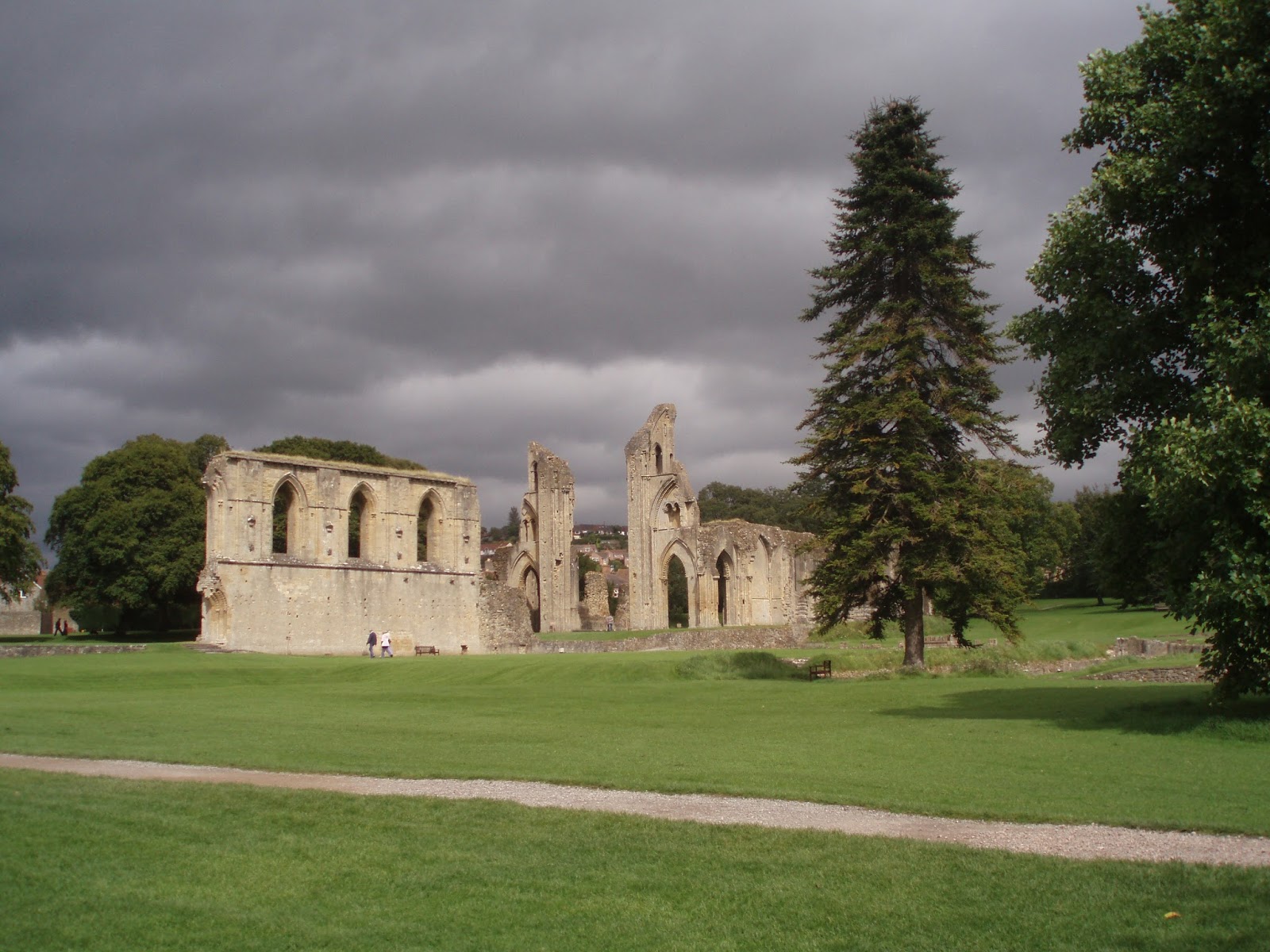
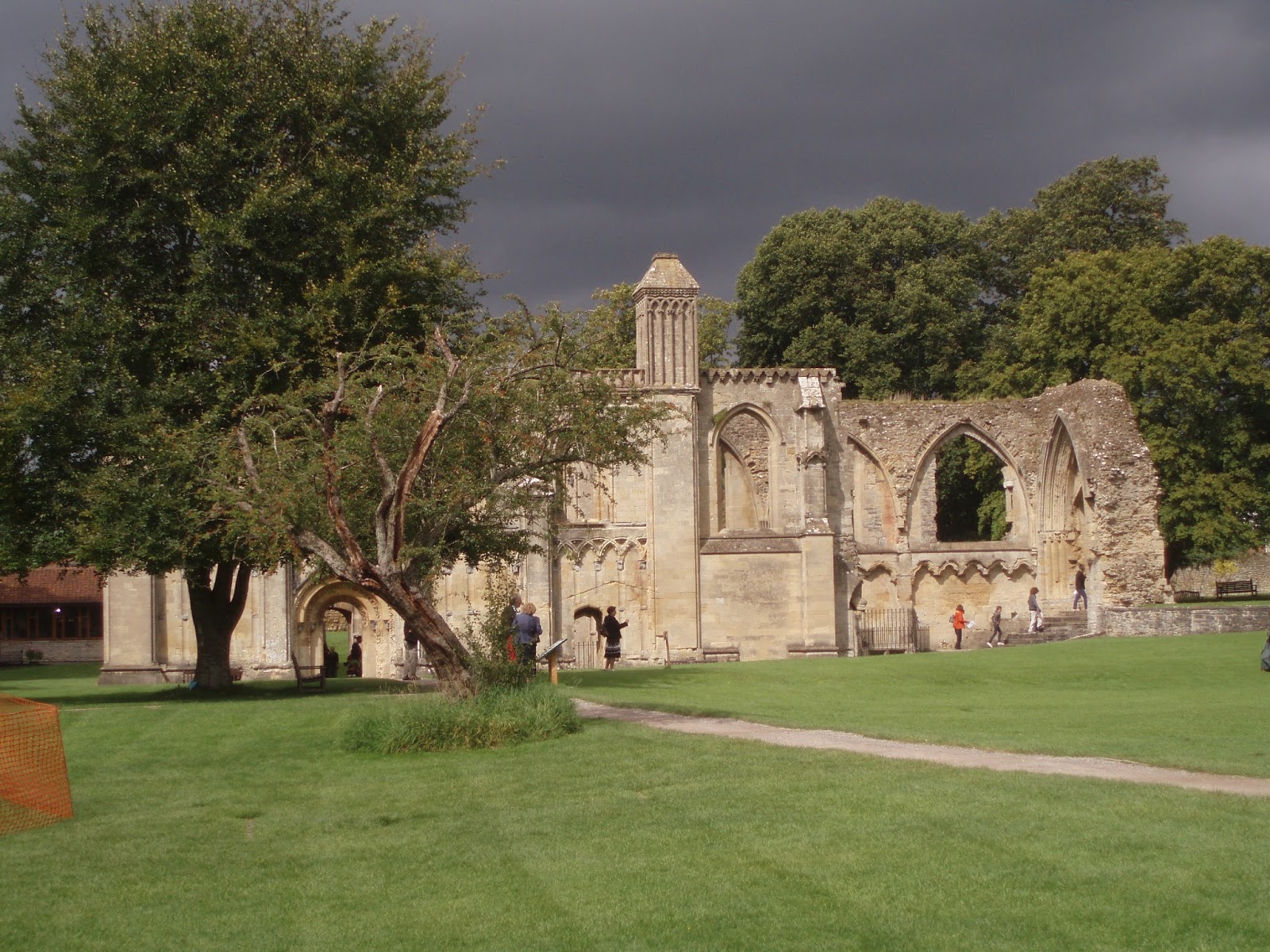
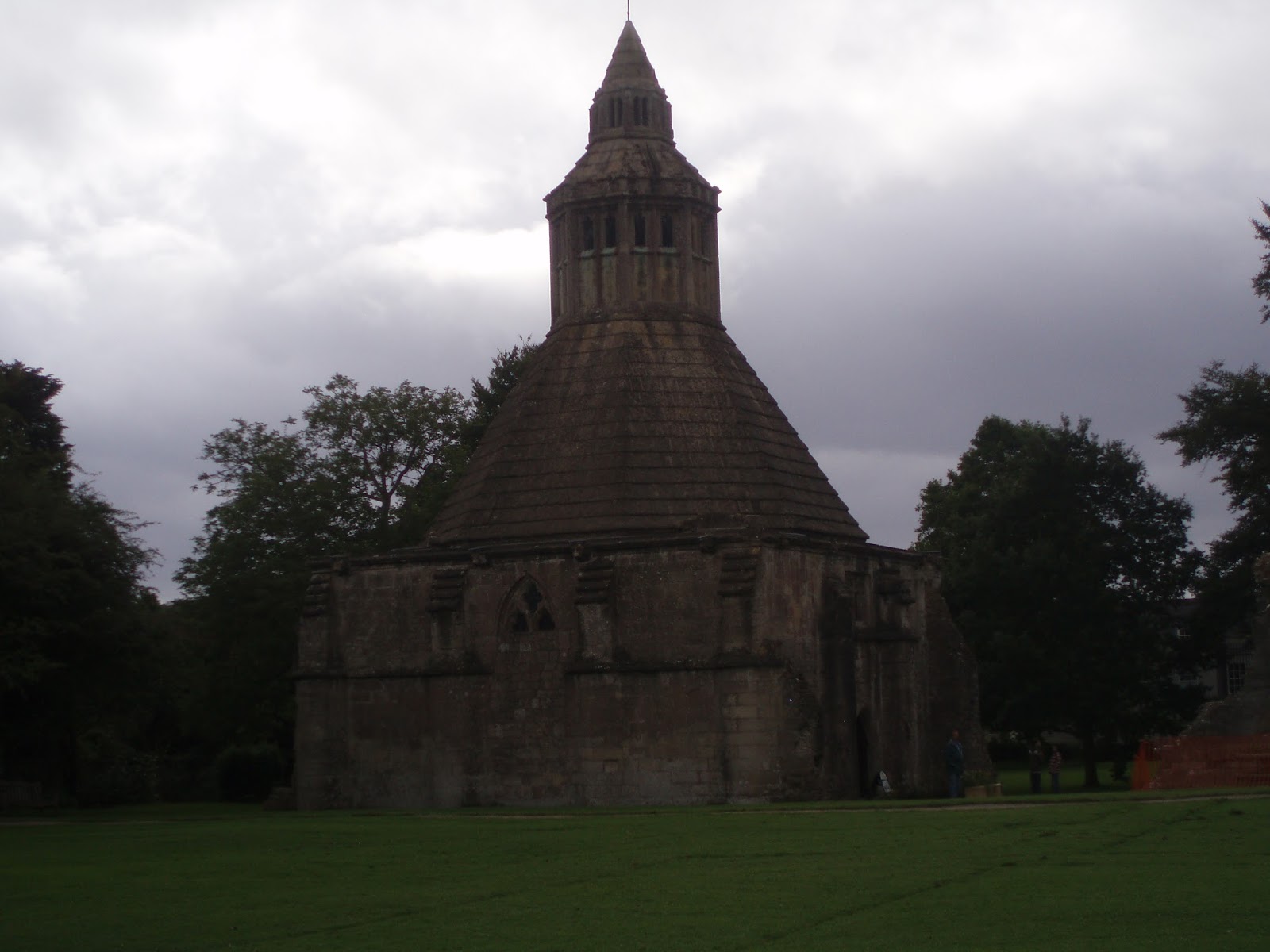
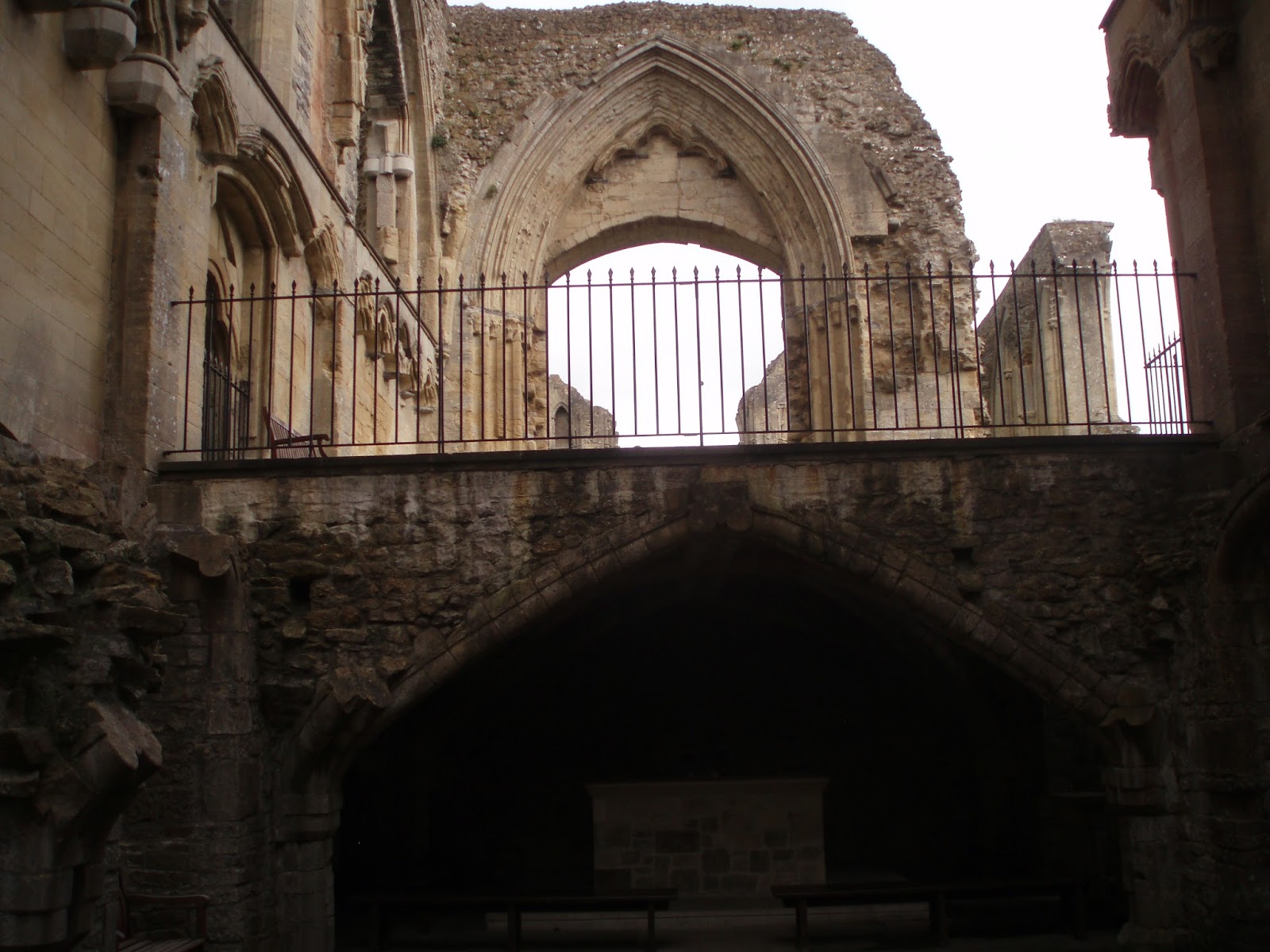
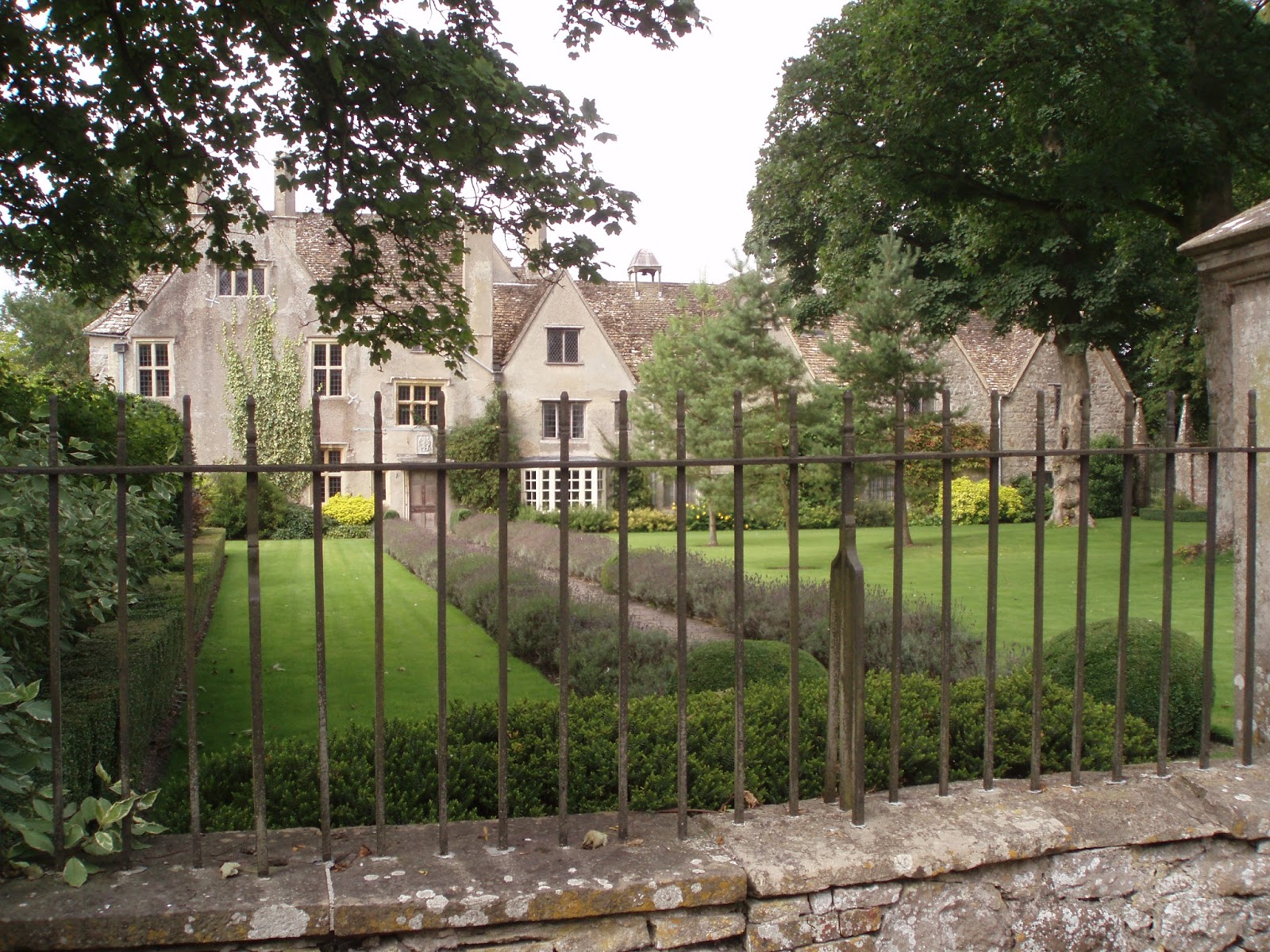
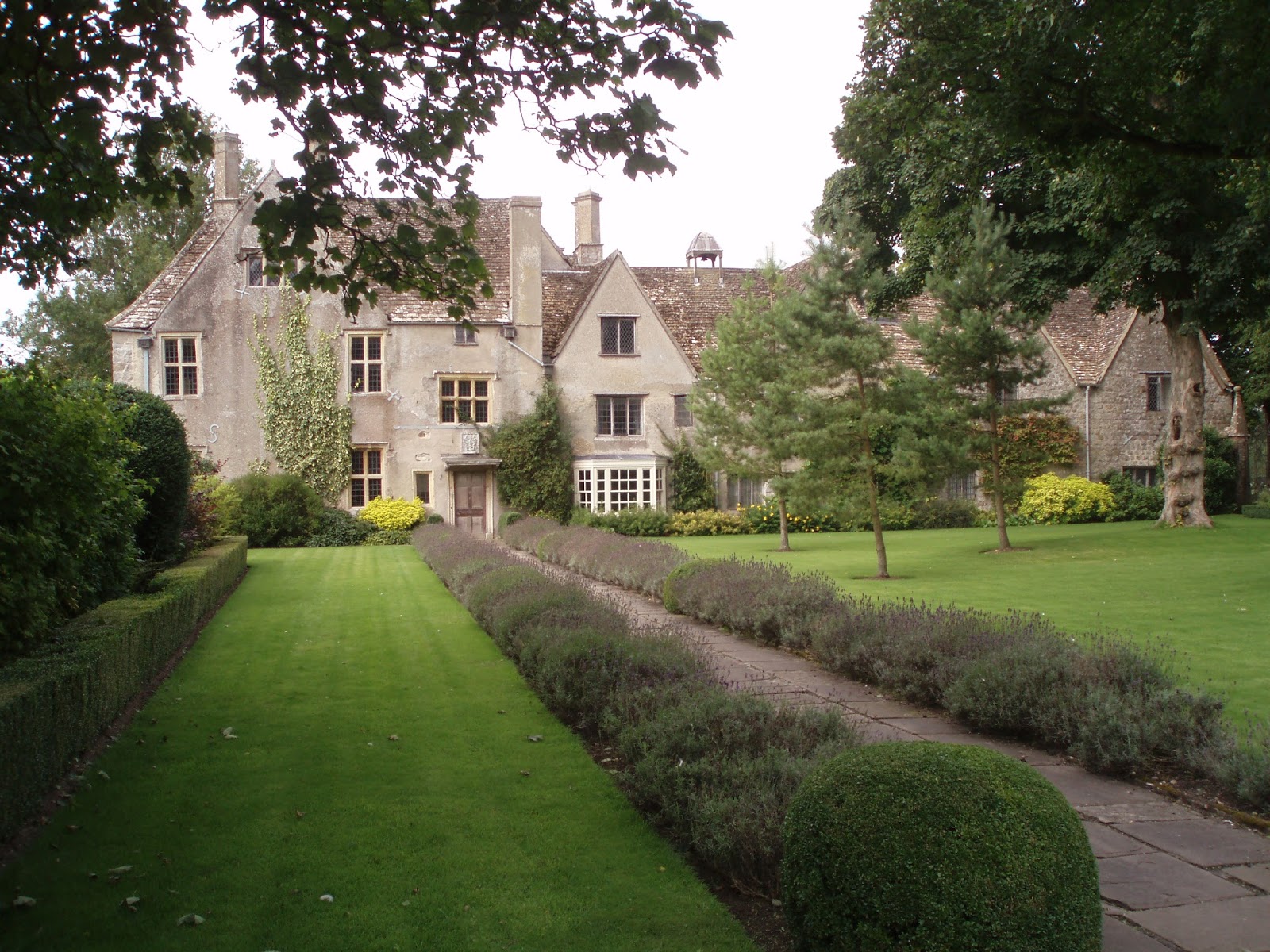
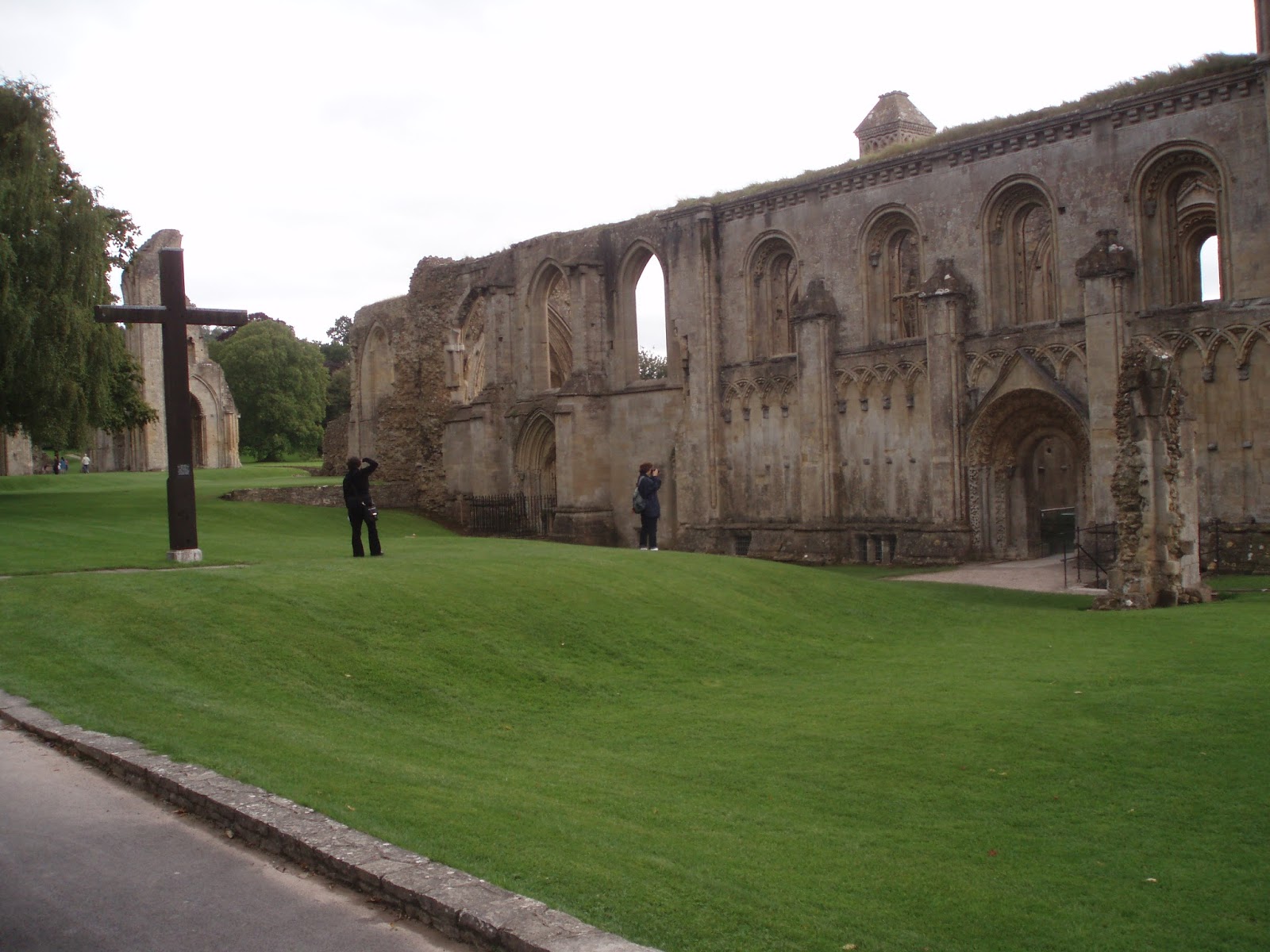
We’ve visited Glastonbury Abbey a few times over the years, and the photographs I shared are from our very first visit. Glastonbury is one of those places that pulls you back without asking — a place we’ll return to many more times because it never feels finished. The Abbey especially has that quality: peaceful, ruined, and yet somehow still listening.

Walking through the arches and open lawns, you can feel how many layers of story live here. Folklore doesn’t sit on top of Glastonbury; it rises up from the ground like mist.

The Ghostly Monk

For generations, people have spoken of a silent monk who wanders the ruins at dusk. He’s usually described as hooded, solitary, and unbothered by visitors — more guardian than ghost. Some say he’s one of the last Benedictines, lingering out of devotion. Others believe he’s tied to the Abbey’s dissolution, a spirit who never left his post. Whether he’s seen or simply sensed, the Abbey has that unmistakable “someone else is here” stillness.

Arthurian Echoes

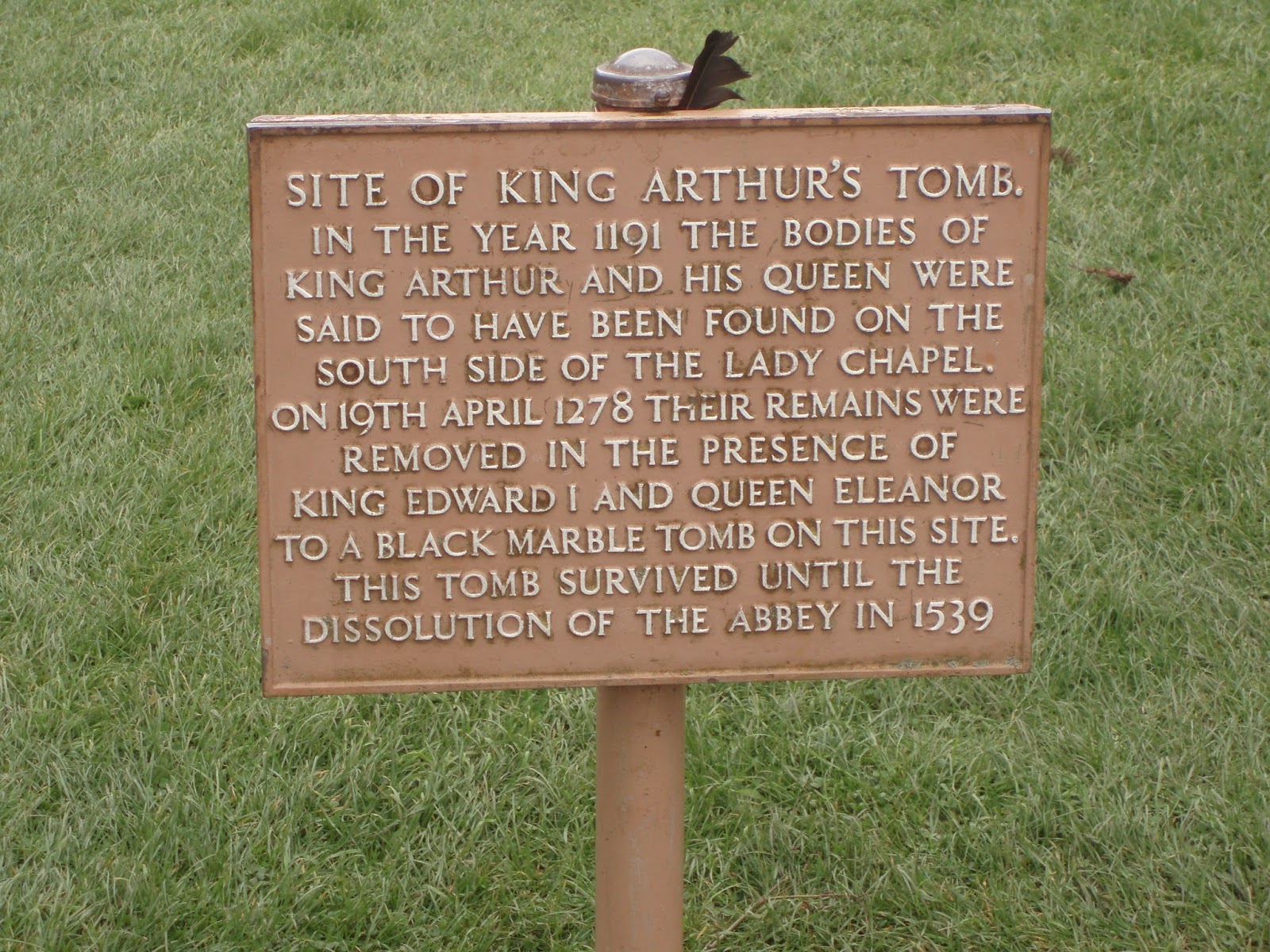
Glastonbury Abbey is also wrapped in the legend of King Arthur. In the 12th century, monks claimed to have discovered the graves of Arthur and Guinevere on the grounds — a story that has been debated ever since. Whether it was truth, myth, or a bit of medieval marketing, the legend stuck. Today, the Abbey feels like one of the few places where Arthurian lore doesn’t feel like a story told about a place, but a story that grew from it.

Some say Avalon itself is hidden in the landscape around Glastonbury, and the Abbey is one of its doorways.

The Holy Thorn

Another thread of folklore winds through the Abbey grounds: the Glastonbury Thorn. According to tradition, Joseph of Arimathea planted his staff here, and it miraculously took root and blossomed. The original tree is long gone, but its descendants still bloom around town — a reminder that Glastonbury’s stories are as botanical as they are mythical.

A Place That Unfolds Over Time

Every visit reveals something different — a new angle of light through a broken arch, a detail in the stone you didn’t notice before, a feeling that wasn’t there last time. Glastonbury Abbey doesn’t give everything at once. It reveals itself slowly, like a place that knows you’ll be back.

And we will.
Because places like this don’t finish speaking after one visit.

They unfold.


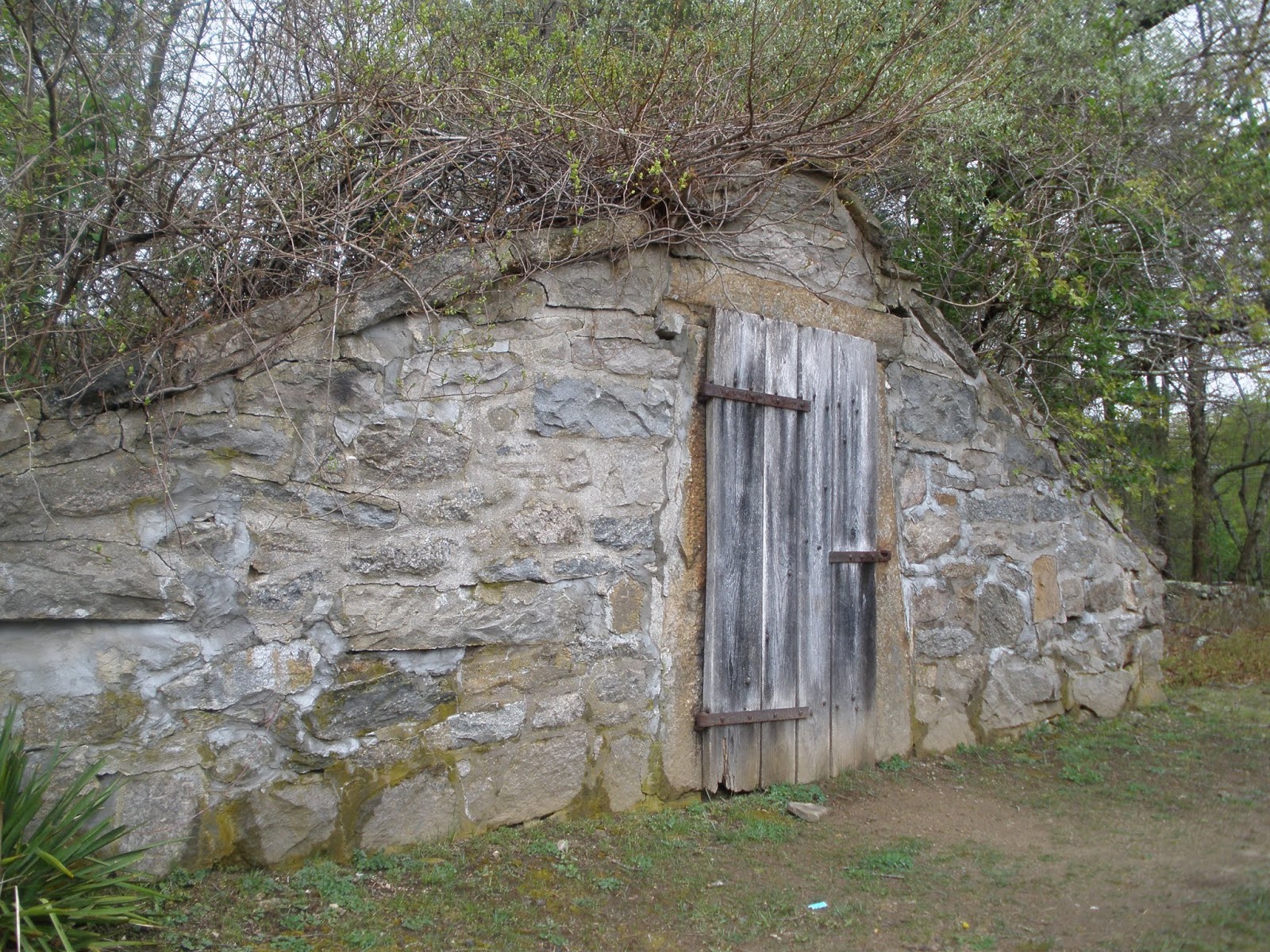
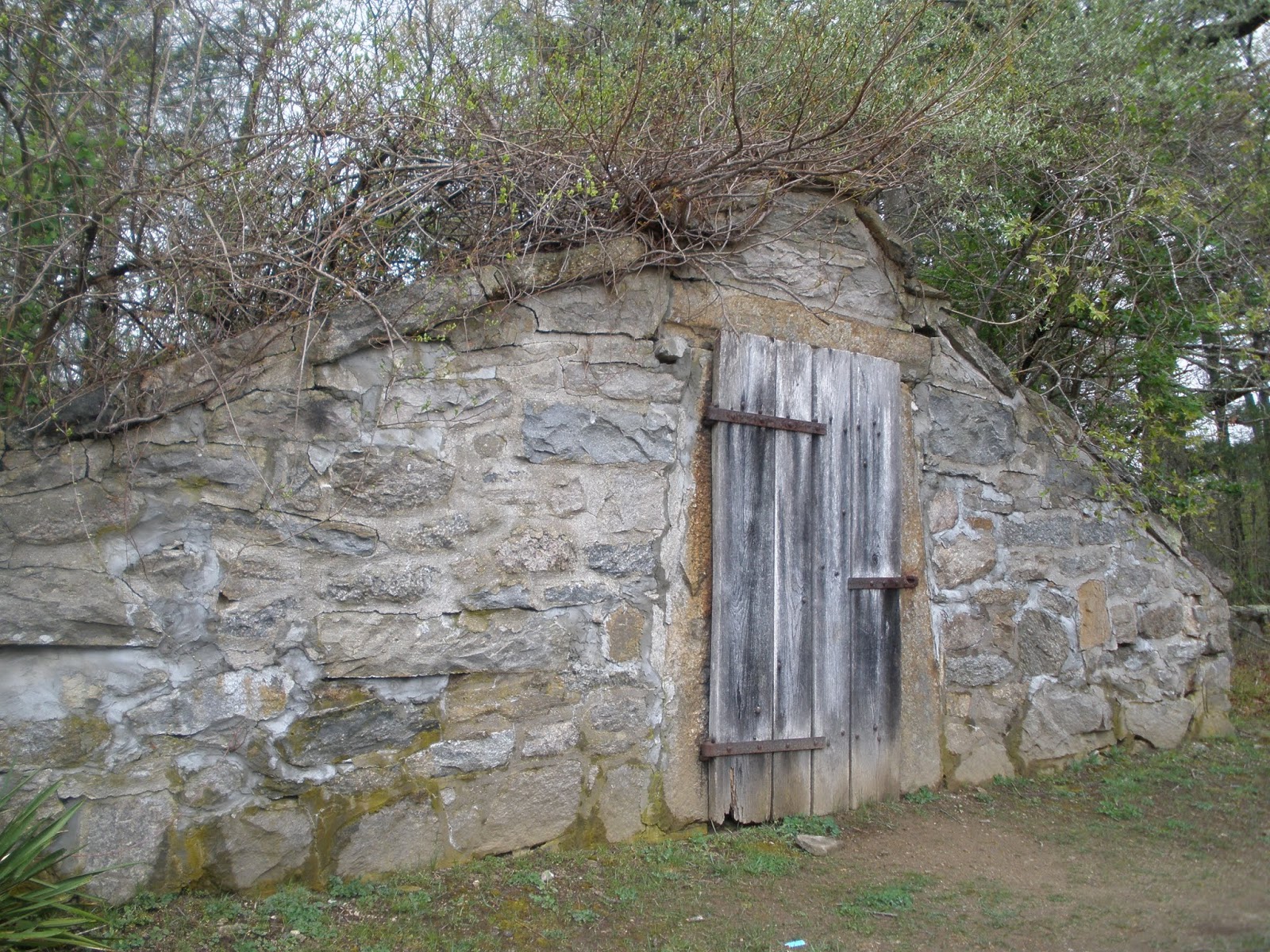
Mercy Brown - Vampire, Exeter, RI


Mercy Brown of Exeter, Rhode Island: Folklore, Fact, and My Quiet Visits

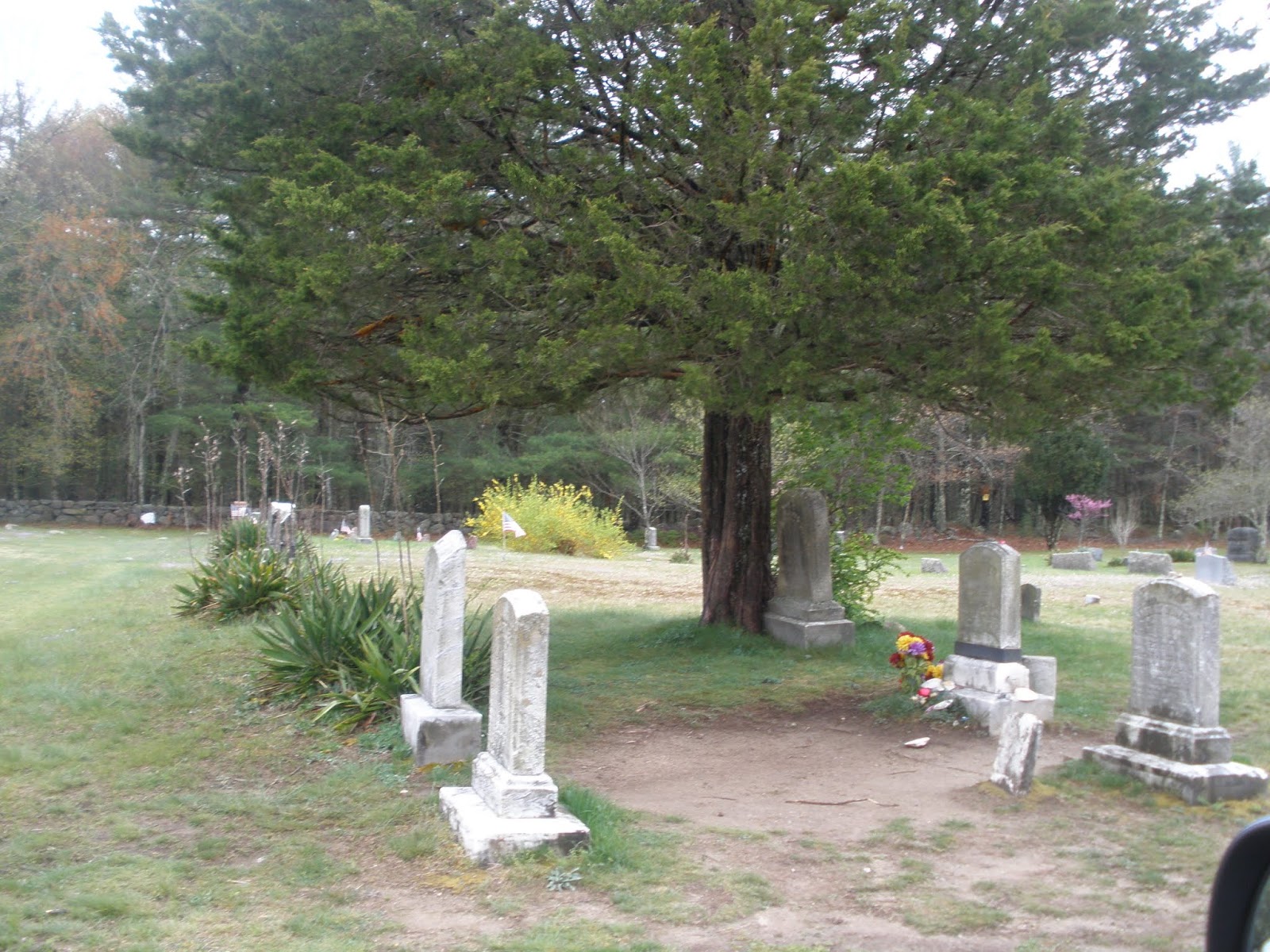
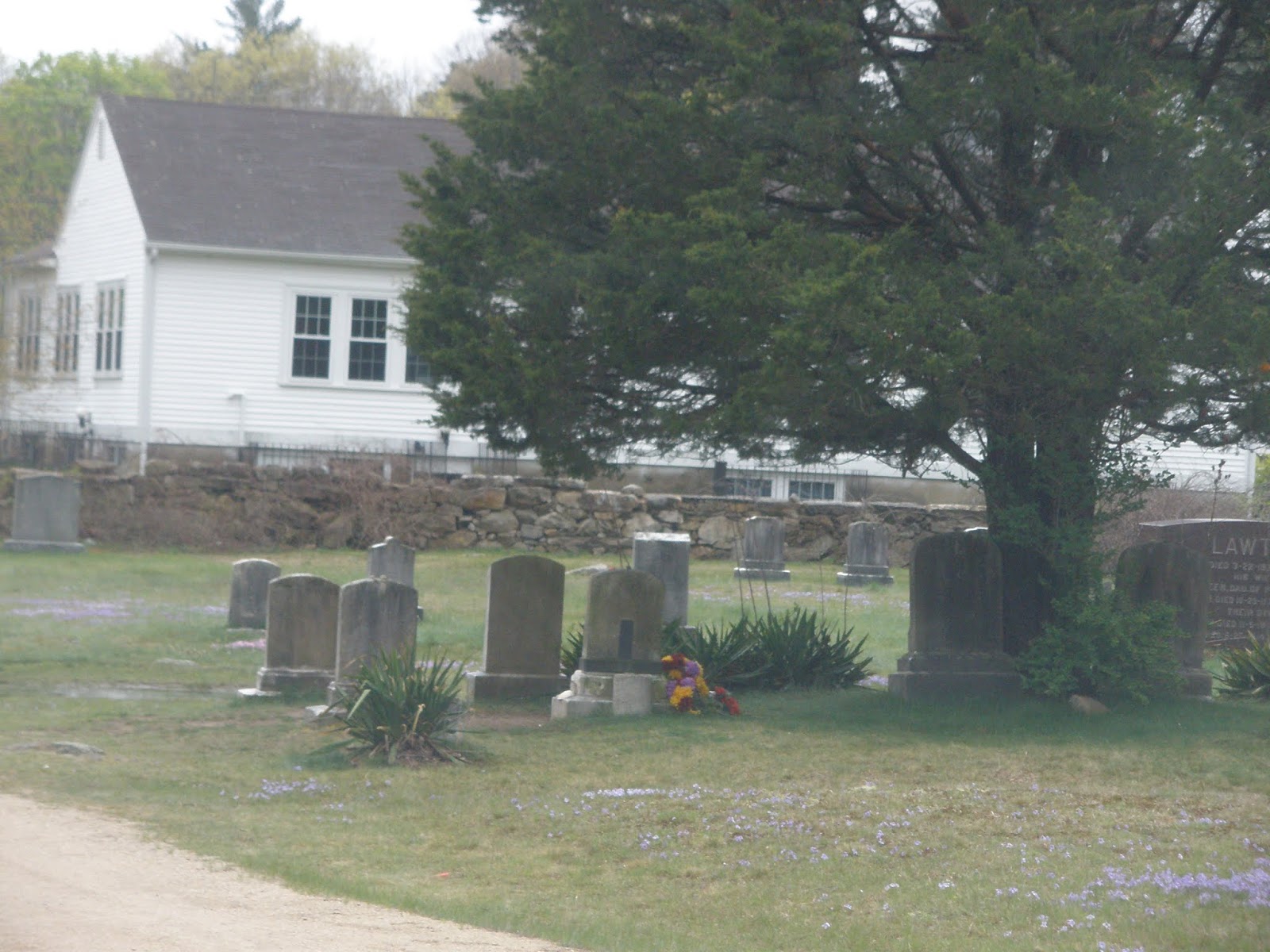
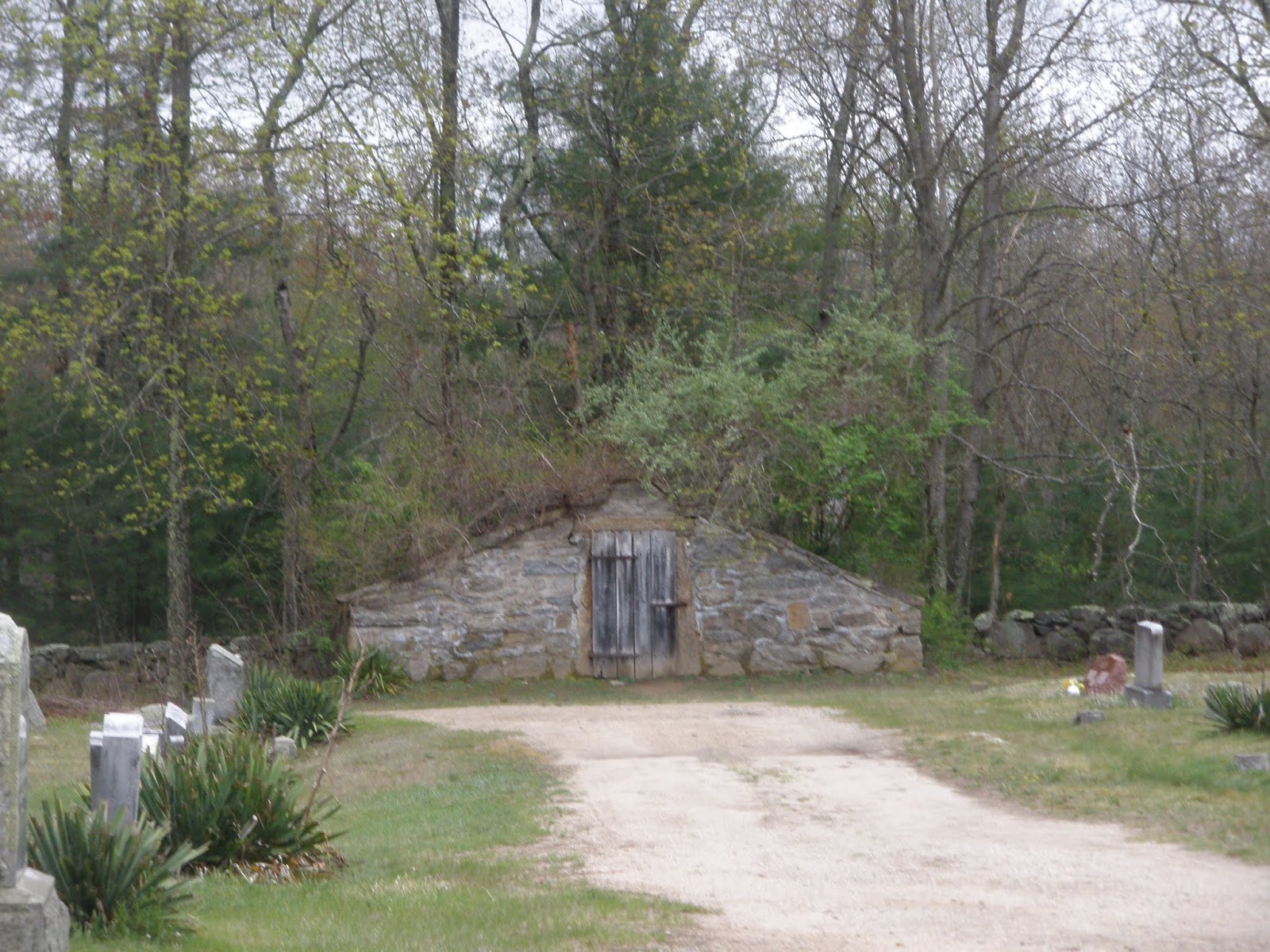
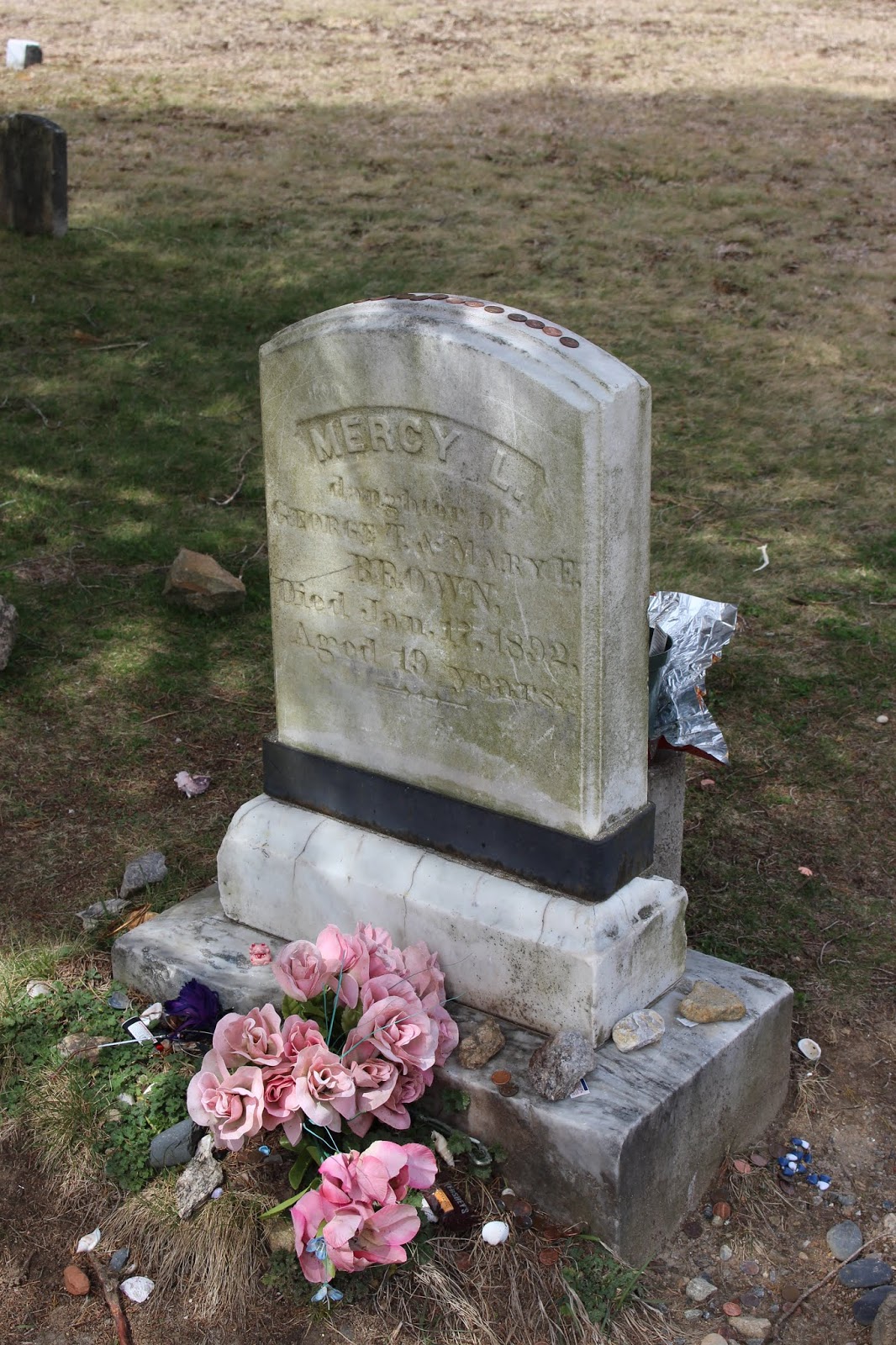
There are places in New England where history settles softly into the landscape—stone walls, weathered farms, and small rural cemeteries that hold more stories than they ever reveal. Chestnut Hill Cemetery in Exeter, Rhode Island is one of those places. It’s where Mercy Lena Brown rests, the young woman who became the center of one of America’s most infamous “vampire” legends.

I’ve visited her grave many times over the years, growing up less than a mile from this location. I even have family buried not far from her. And despite the folklore, the rumors, and the ghost‑hunter fantasies that swirl around her name, the truth is simple: it is a quiet, humble, peaceful cemetery. Nothing frightening. Nothing supernatural. Just history, grief, and the echoes of a family who suffered more than most.

The Folklore: New England’s Last “Vampire”

Mercy Brown’s story is often told as if she were a creature of the night—New England’s own vampire, rising from the grave to drain the life from her family. For more than a century, people have whispered about her, visited her grave at night, and even vandalized her headstone in the name of thrill‑seeking.

The legend grew because it had all the ingredients folklore loves:

  • a young woman dying tragically

  • a family struck by repeated illness

  • a frightened rural community

  • and a time before germ theory was understood

To outsiders, it became a spooky tale. To locals, it became a cautionary one. And to some, it became a destination for ghost stories and dares.

But the folklore is only half the story.

The Fact: Mercy Brown Was Never a Vampire

Mercy Brown died in 1892 from tuberculosis—known then as “consumption.” It was a devastating disease that swept through families, especially in rural areas where people lived close together and medical knowledge was limited.

Her mother and sister died first. Then Mercy. Then her brother Edwin fell ill. Desperate and terrified, the townspeople believed something supernatural was draining the family’s life.

In their fear, they turned to old folk practices—rituals that predated modern medicine. Mercy’s body was exhumed, examined, and used in a misguided attempt to “cure” Edwin. It didn’t work, of course. He died shortly after.

The tragedy wasn’t vampirism. It was tuberculosis, misunderstanding, and grief.

A Cemetery Misunderstood

Because of the legend, Mercy’s grave has been vandalized repeatedly over the years. Her headstone has been stolen, damaged, and defaced by people chasing a thrill or trying to summon something that was never there.

But that’s not the cemetery I know.

When I visit, I find a small, serene place tucked into the Rhode Island countryside. The air is still. The stones are modest. The land feels tended, not haunted. My own family rests there, and never once have I experienced anything eerie, unsettling, or out of the ordinary.

It is a place of rest—not a stage for folklore.

Why Her Story Still Matters

Mercy Brown’s tale sits at the crossroads of folklore and fact. It shows how fear can shape a narrative, how communities create stories to explain the inexplicable, and how those stories can outlive the truth.

But it also reminds us that behind every legend is a real person. Mercy was a daughter, a sister, a young woman whose life was cut short by illness—not a monster.

When I visit her grave, I don’t feel the weight of a vampire myth. I feel the quiet dignity of a family who endured unimaginable loss, and a community doing the best it could with the knowledge it had.

A Final Reflection

Chestnut Hill Cemetery is not a place of horror. It is a place of humanity.
Mercy Brown’s story is not a ghost story. It is a story of misunderstanding, folklore, and the way history can twist when fear takes the lead.