Wednesday, February 18, 2026

Where the Valentine Card Began


Where the Valentine Card Began: A Whimsical Little History


Long before glitter glue, lace doilies, and heart‑studded envelopes filled the aisles of February, the Valentine card began its life as something far humbler — a whispered sentiment, a folded scrap, a small bravery of the heart.


A Love Note in a Tower

The earliest known Valentine message is often attributed to Charles, Duke of Orléans, who in 1415 found himself imprisoned in the Tower of London. With nothing but time, quills, and longing, he wrote a poem to his wife calling her his “Valentine.” It wasn’t a card as we know it, but it was the spark — a tender ember in a very cold place.

You can almost imagine him there: a winter draft curling under the door, ink freezing on the nib, and yet he’s writing love into the world anyway. That’s the soul of the Valentine card right there — a small warmth against the bitter cold season.


Handmade Hearts and Secret Courting

By the 1600s and 1700s, people across England were exchanging handmade “valentines” — little tokens of affection crafted from paper, ribbon, pressed flowers, ephemera, and whatever scraps felt romantic enough to carry a message. These were not mass‑produced; they were personal, imperfect, and often delightfully over‑the‑top.

Some included puzzles or rebuses (“I 🐝 + 🍯 = I be honey for you”), others had cut‑paper silhouettes, and many were slipped anonymously under doors. Courtship was a quieter, more coded affair then, and a Valentine was a safe way to say, I’m thinking of you, without fainting from embarrassment.


Enter the Lace, the Frills, and the Postal Service

The true explosion of Valentine cards came in the Victorian era — a time when sentimentality was practically a national sport. Paper lace became wildly popular, and printers began producing elaborate, layered cards with pop‑ups, hidden messages, and tiny paper mechanisms that made doves flap or hearts unfold.

Thanks to the Penny Post, sending a Valentine became affordable for everyone. Suddenly, February 14th was a flurry of envelopes, some sweet, some silly, some scandalous. (Victorians loved a good saucy pun — they were not as prim as they pretended.)


America Joins the Party

In the mid‑1800s, Esther Howland of Massachusetts — often called the “Mother of the American Valentine” — saw an English card and thought, We can do that, but bigger. She began assembling ornate cards with lace, embossed paper, and bright scraps imported from Europe. Her designs were so popular she built an entire cottage industry around them, employing women who worked from home assembling the layers.

Her cards were lush, romantic, and unapologetically sentimental — the ancestors of the cards we know today.


A Tradition of Small Braveries

And so the Valentine card grew from a prisoner’s poem to a handmade token to a Victorian spectacle to the modern aisle of pink and red. But at its heart, it’s still the same thing it always was: a small bravery. A way to say, You matter to me, even if your hands shake a little while writing it.

There’s something wonderfully human about that — the way we keep trying to wrap love in paper, lace, ink, and whimsy, hoping it reaches the right hands and hearts.


A Valentine's Day Hearth-Note


A Valentine’s Day Hearth-Note

from PumpkinSpice Hearthcraft

Today is a day stitched in red thread—soft, steady, and human. Not the glittery kind of love that shouts from billboards, but the kind that lives in the corners of a home, in the way we tend to one another, in the way we choose gentleness even when the world feels sharp.

Here at PumpkinSpice Hearthcraft, Valentine’s Day isn’t about perfection. It’s about presence.

It’s the warmth of a mug held between your palms. It’s the quiet relief of being understood. It’s the courage to keep your heart open, even after life has weathered it a bit. It’s the small, ordinary rituals that say “you matter” without needing to be loud.

Love, in our little cozy society, is a craft. A practice. A tending.

It’s the way you fold blankets at the end of the night. The way you check on someone’s spirit as naturally as you check the kettle. The way you offer kindness without keeping score.

And if today feels tender, or lonely, or complicated—your heart still belongs here. There is room for every kind of love at this hearth: romantic, platonic, familial, self-love, love-that’s-still-healing, love-that’s-just-beginning, and love-that’s-learning-to-breathe-again.

So here’s my Valentine to you:

May you feel held by something gentle today. May you remember that your softness is not a weakness—it is a lantern. May you know that you are worthy of care, connection, and warmth, exactly as you are. And may you carry that warmth forward, one small act of love at a time.

Tale of Stingy Jack


✨ The Tale of Stingy Jack — A Cozy, Spooky Folklore Retelling ✨

In old Irish folklore, there lived a man known far and wide as Stingy Jack — a clever trickster with a silver tongue and a talent for getting himself into trouble. Jack was the sort of fellow who could talk his way out of anything… even a meeting with the Devil himself.

One chilly autumn night, Jack invited the Devil out for a drink. True to his nickname, Jack had no intention of paying. Instead, he convinced the Devil to turn into a shiny coin to settle the bill. But the moment the Devil transformed, Jack slipped the coin into his pocket — right beside a small silver cross. The cross trapped the Devil, who found himself stuck in Jack’s coat like a moth in a lantern.

After much bargaining (and more than a little grumbling), Jack finally agreed to free him — but only if the Devil promised not to take Jack’s soul when his time came. The Devil, annoyed but defeated, agreed.

Years passed, and eventually Jack’s mischief caught up with him. When he died, Heaven refused him for his trickery, and Hell turned him away because of the Devil’s old promise. Jack found himself stuck between worlds, with nowhere to go and no place to rest.

Seeing Jack wandering in the dark, the Devil tossed him a single burning coal — a small, stubborn ember meant to light his endless journey. Jack carved out a turnip, placed the coal inside, and made himself a lantern to guide his way. And so he became Jack of the Lantern, doomed to roam the night with his eerie little light.

When Irish families later came to America, they found pumpkins — bigger, brighter, and much easier to carve than turnips. The tradition grew into the glowing Jack‑o’-Lanterns we know today, set on porches and windowsills to keep wandering spirits (and tricksters like Jack) at bay.


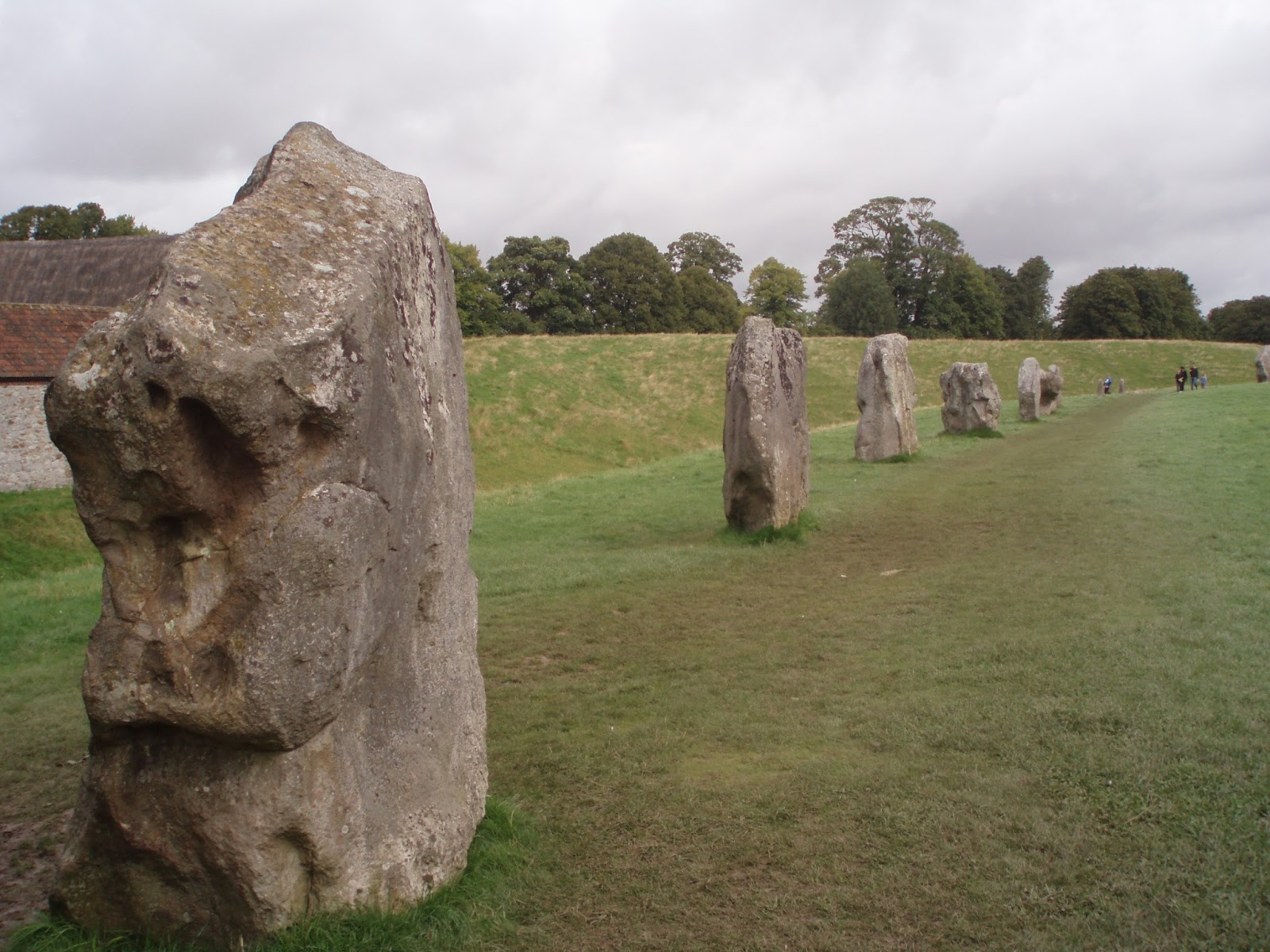
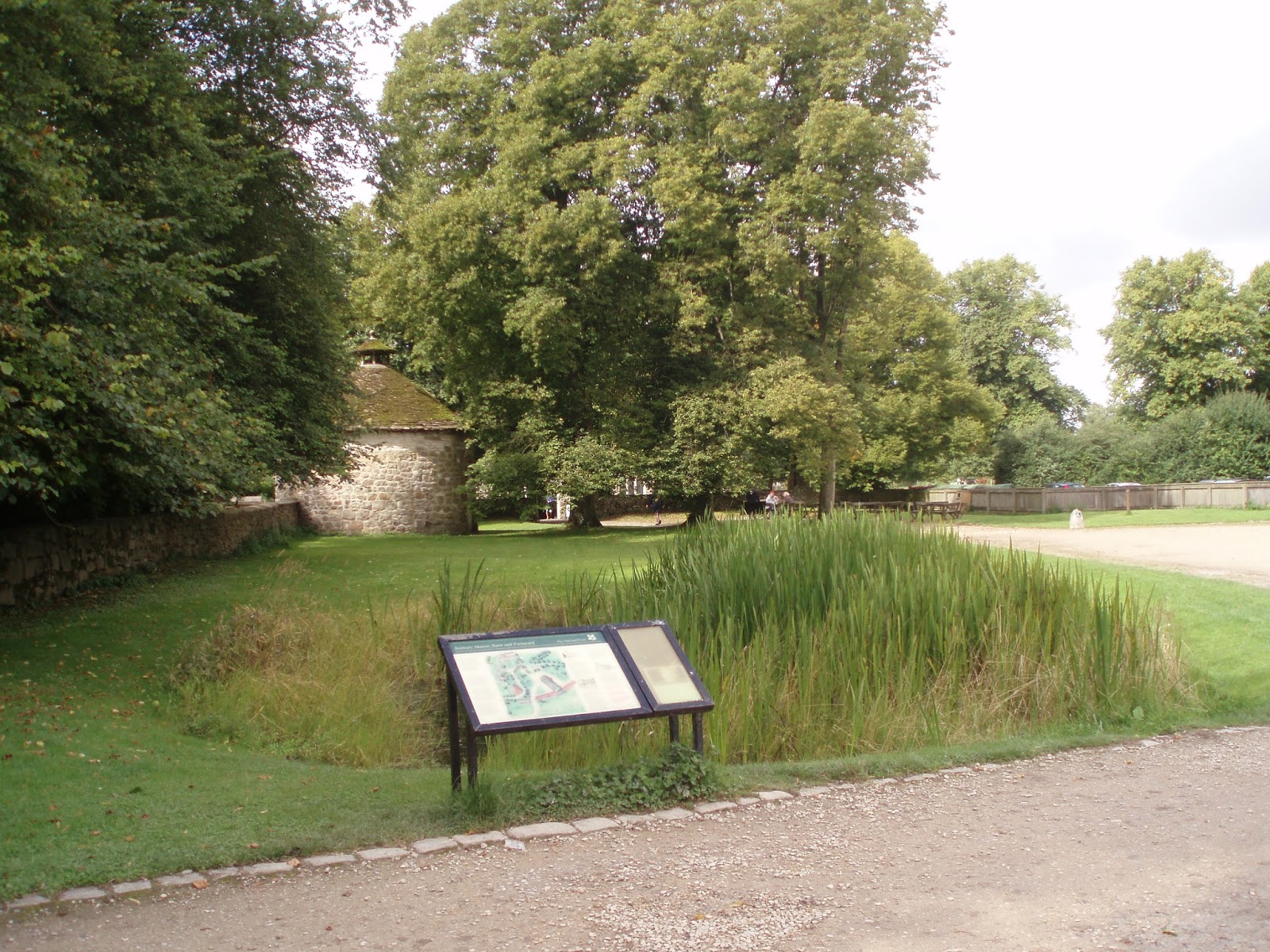
Avebury, England


We took all the photographs shared on this site. © All Rights Reserved to PumpkinSpice Hearthcraft


A Visit to Avebury: A Quiet Moment in Ancient Time

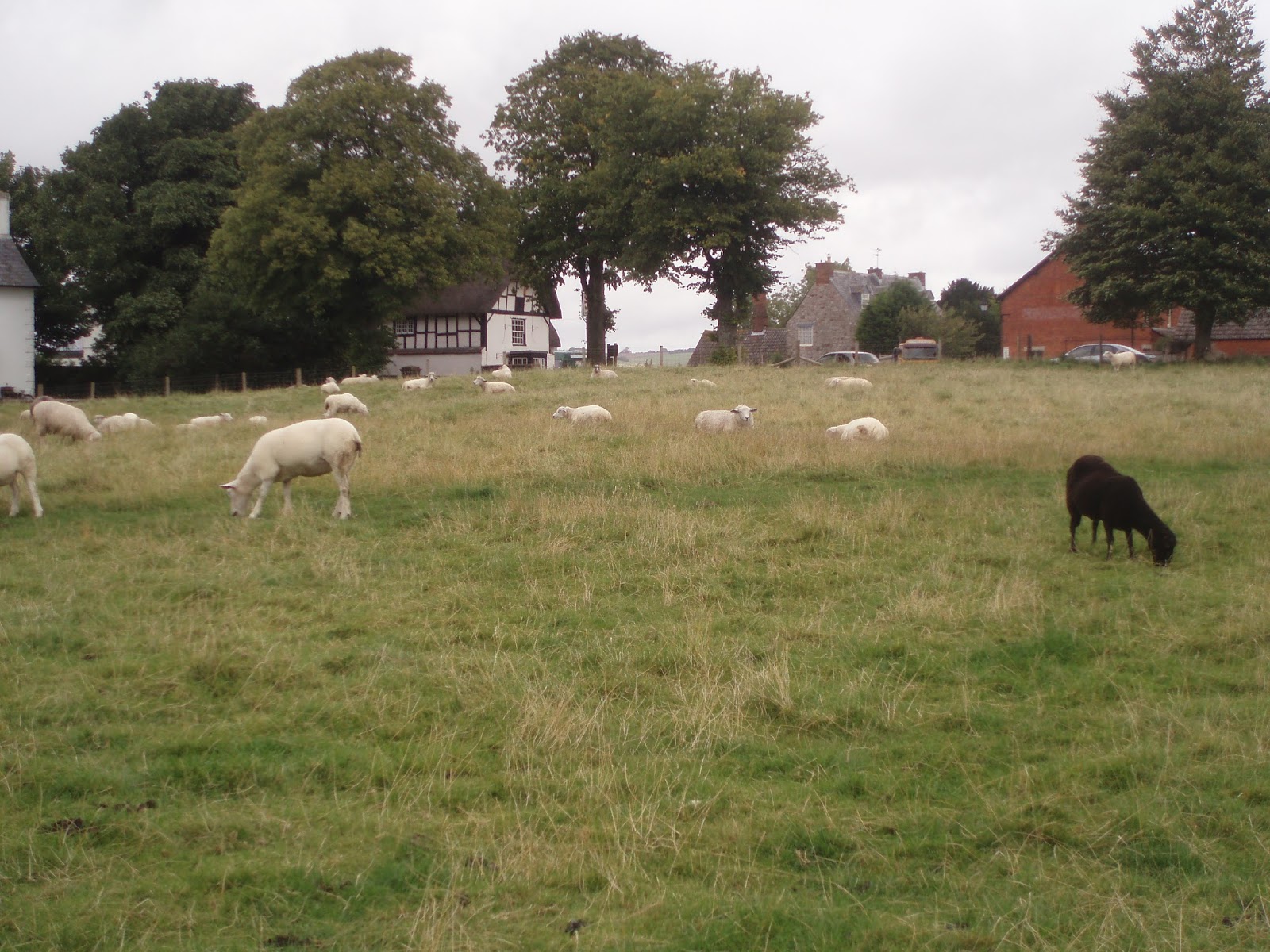
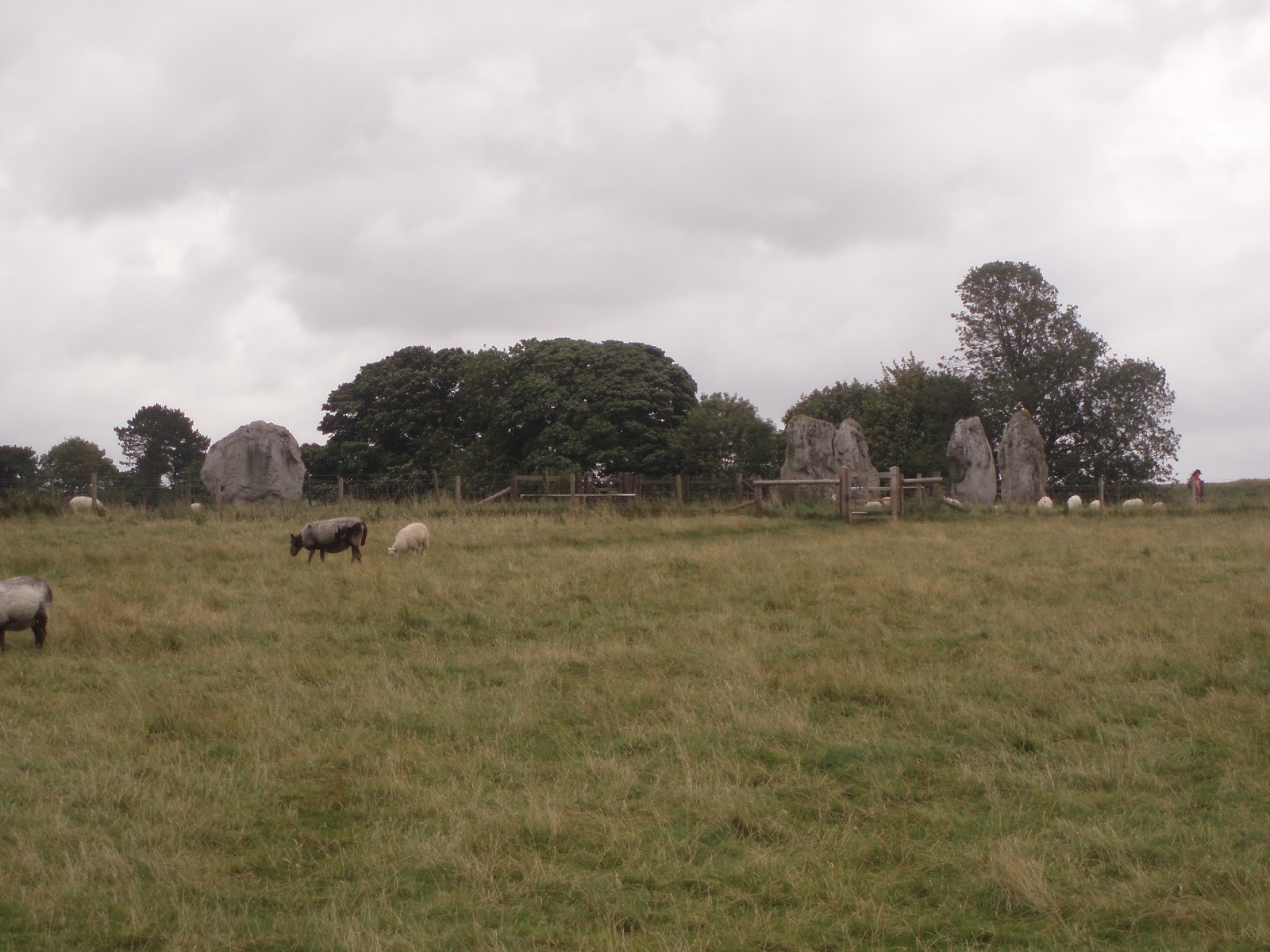
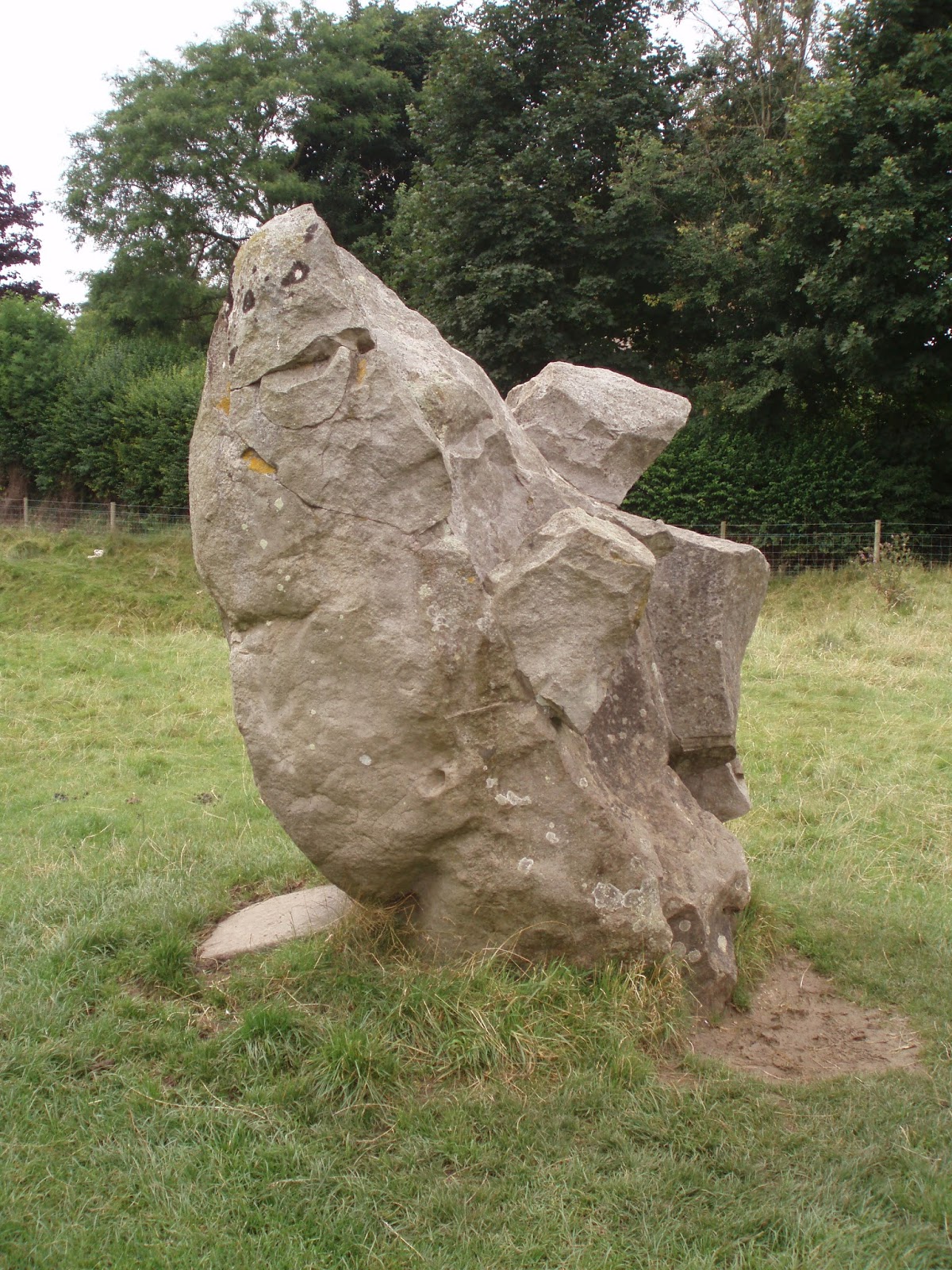
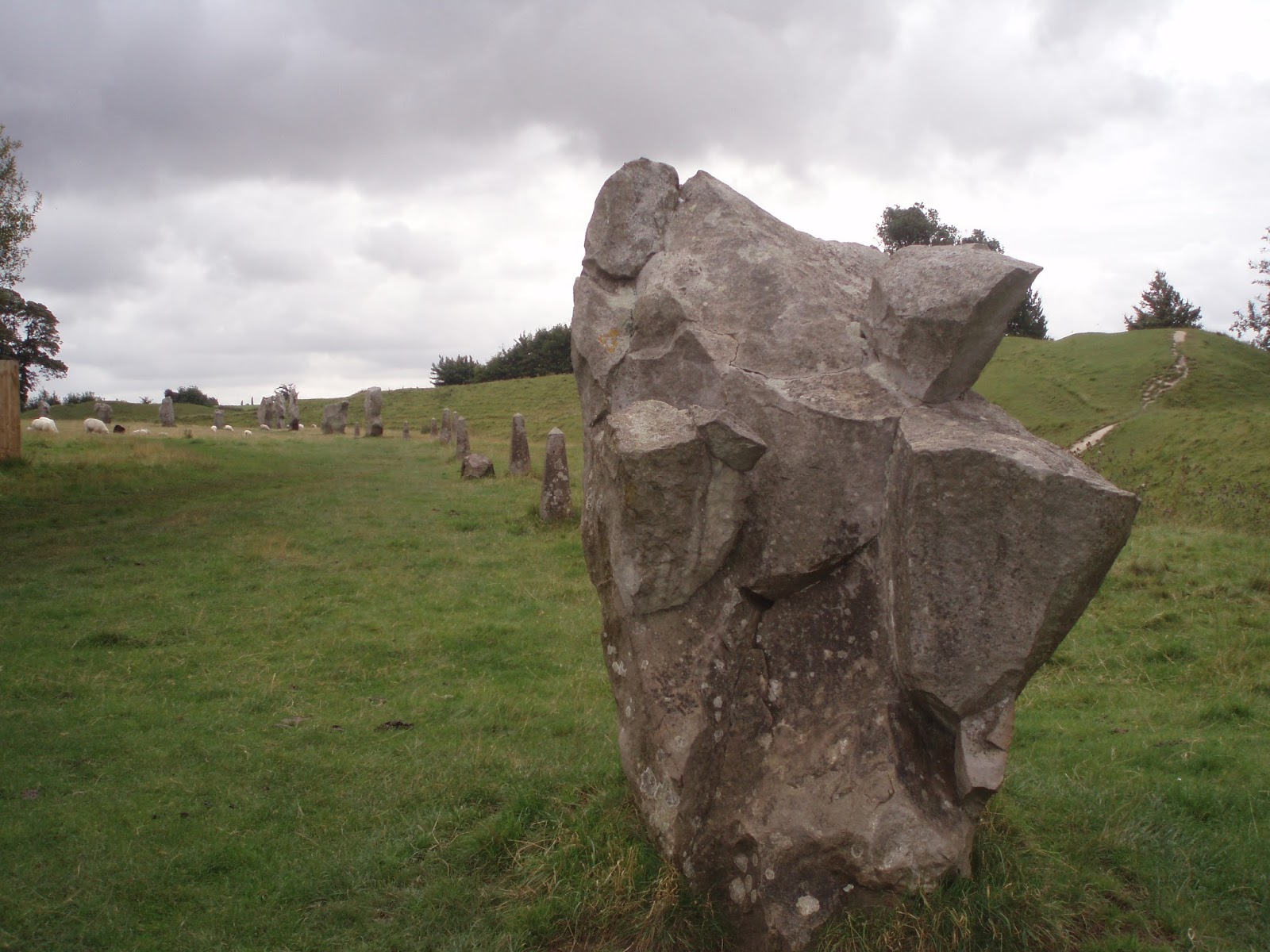
We visited the prehistoric monument complex over ten years ago, making our way there after spending the morning at Stonehenge. Where Stonehenge felt iconic and commanding, Avebury surprised me with its humility. It rests quietly along the English countryside, wrapped in rolling fields and dotted with grazing sheep who wander through the stones as if they’ve always belonged there.

The sky was overcast, but the air was still and dry. It created the perfect muted backdrop for exploring a place that feels older than memory. As we walked through the complex, there was a peacefulness that settled over everything — a gentle, steady calm that seemed to rise from the earth itself. Each step felt like walking deeper into a story that had been unfolding for thousands of years.

There was a spiritual warmth to the land, not dramatic or overwhelming, but welcoming. Almost as if unseen ancestors were lingering at the edges, watching quietly, pleased to have company. I felt fortified by it, as though the ground itself recognized us.

I remember climbing a small incline to get a better view of the stone circle. Paul stood across the way, taking his own photographs, and for a moment the world felt suspended. As I looked out over the stones, I could almost hear echoes of the people who once placed them there — the strain of lifting, the coordination, the purpose behind their work. It made me wonder: were these markers, ceremonial symbols, or the foundations of something long gone? Were they aligned with the stars, or with the seasons, or with beliefs we can only guess at now?

The answers stayed hidden, as they always do in places like this. But the mystery is part of the magic. Avebury feels like a landscape shaped by ancient hands — a place where druids may have walked, where rituals of healing or gathering once took place. The simplicity of the setting, with sheep grazing lazily between the stones, only deepened that sense of sacredness.

We didn’t stay long — just a couple of hours before we had to begin the long drive back to where we were staying — but the experience left a lasting imprint on me. It remains one of the most moving and quietly powerful moments of my life. There’s something about Avebury that settles into your spirit and stays there.

If you ever find yourself planning a trip to England, especially if Stonehenge is already on your list, I highly recommend making the short journey to Avebury as well. It’s only about twenty miles further, and absolutely worth the detour. Sometimes the most unassuming places end up being the ones that change you.


A Few Folkloric Notes


  • Avebury is believed to date back to around 2500 BC, placing it in the same era as Stonehenge.

  • It is one of the largest megalithic stone circles in the world, sprawling across the landscape rather than standing in a tight ring.

  • Local folklore often describes the stones as living guardians, said to hum with ancient energy or shift subtly over long stretches of time.

  • Some old tales claim the stones were once people turned to stone for breaking sacred laws — a common motif in British folklore.

  • Others say the stones mark a place where the veil between worlds is thin, making it a site of intuition, dreams, and ancestral presence.


Origins of Halloween


The Origins of Halloween: From Ancient Samhain to the Celebration We Know Today

Halloween did not appear suddenly as a night of costumes, pumpkins, and playful fright. Its roots reach back more than two thousand years, to the windswept hills and firelit gatherings of the ancient Celts in Ireland. Long before carved pumpkins glowed on porches, the Celtic people marked the turning of the seasons with a festival called Samhain—a threshold moment when autumn’s final harvest gave way to the deep, uncertain dark of winter.

Samhain: The Ancient Threshold Festival

Samhain (pronounced sow-in) was the Gaelic festival that marked the end of the autumn equinox and the beginning of the winter season. It began at sunset on October 31 and continued into November 1, a liminal window when the old year slipped away and the new one had not yet fully begun. In Celtic belief, this was a time when the boundary between the living and the dead grew thin.

According to tradition, the spirits of those who had died during the previous year rose once more on this night. Before journeying to the underworld, they wandered the land, drifting through villages and fields in search of souls to accompany them. It was considered a night of danger, mischief, and spiritual unrest—a night when the world felt slightly off its axis.

To protect themselves, the Celts lit great bonfires, wore disguises, and carried carved turnips with glowing embers inside. These early lanterns were meant to frighten away malevolent spirits and guide friendly ones home.

The Evolution Toward Halloween

As centuries passed and new religions and cultural practices spread across Europe, many communities sought to distance themselves from the older Druidic and pagan rituals. Rather than erase Samhain entirely, they reshaped it.

The Christian church designated November 1 as All Saints Day, a celebration honoring holy men and women who had triumphed over evil. The evening before became known as All Hallows Eve, eventually shortened to Halloween. The spiritual tone shifted: instead of fearing the spirits that wandered the night, people dressed in frightening costumes to drive them away.

The idea remained the same—protect the living from the forces that sought to trouble them—but the meaning was reframed through a new lens.

Traditions Old and New

Over time, Halloween absorbed layers of customs from many cultures, blending ancient practices with emerging ones. Some traditions remained close to their roots, while others transformed into the playful rituals we know today.

Common celebrations now include:

  • Wearing costumes to ward off evil spirits

  • Carving pumpkins (a later American adaptation of the Celtic turnip lantern)

  • Trick-or-treating, echoing old customs of going door to door for food or offerings

  • Bobbing for apples, a remnant of harvest games

  • Drinking warm ciders and wassail

  • Hosting gatherings filled with stories, laughter, and seasonal foods

Though the tone has softened over the centuries, the heart of Halloween remains the same: a night that honors the mystery of the unseen, the turning of the seasons, and the human desire to find light in the dark.

A Night Between Worlds

To understand Halloween is to understand Samhain—the ancient belief that on one night each year, the veil between worlds thins and the living must protect themselves from wandering spirits. Modern Halloween may be brighter, friendlier, and more festive, but it still carries the echo of those early fires on the Celtic hillsides.

It is a celebration shaped by centuries of change, yet rooted in the same timeless truth: as autumn fades and winter approaches, we gather together, light our lanterns, and face the dark with courage, creativity, and community.


Sunday, February 15, 2026

National Gumdrop Day!


There’s a bit of sweet debate about where gumdrops truly began. Some stories place their origins in the early 1800s; others say they didn’t take their familiar chewy form until much later. What is certain is that by the mid‑1800s, people were already talking about these little sugar‑coated jewels, and by the early 1900s, they had become the soft, fruity, or spicy treats we recognize today.

From there, gumdrops opened the door to a whole family of jelly and gummy candies — bright colors, soft textures, and flavors pulled from fruits, herbs, and cozy spices. They were simple, cheerful, and easy to love.

If you buy a bag today, you’re participating in a tradition that has been quietly weaving itself through kitchens, candy shops, and holiday tables for generations. Pour them into a pretty bowl, offer them to friends, coworkers, or family, or keep a few tucked away for yourself. However you enjoy them, gumdrops have earned their place as a cultural favorite — a tiny, sparkling piece of nostalgia that continues to live in our stories, celebrations, and folklore.

And honestly, there’s something delightful about that: a candy so small, yet so woven into memory.


So, whether you: 

  • pour them into a pretty glass dish,

  • offer them to friends, coworkers, or curious passersby,

  • or sneak one (or three) for yourself…

…you’re participating in a tradition that’s been part of American culture since the mid‑1800s and sweetened by folklore ever since.

Gumdrops aren’t just candy — they’re a tiny, chewy piece of nostalgia, still sparkling their way through our kitchens, holidays, and stories.

If you want, I can help you shape this into a more formal article, a social post, or a whimsical “National Gumdrop Day” feature.


Saturday, February 14, 2026

A Valentine’s Day Hearth-Note


A Valentine’s Day Hearth-Note

from PumpkinSpice Hearthcraft


Today is a day stitched in red thread—soft, steady, and human. Not the glittery kind of love that shouts from billboards, but the kind that lives in the corners of a home, in the way we tend to one another, in the way we choose gentleness even when the world often feels bitter, cold, and disconnected.

Here at PumpkinSpice Hearthcraft, Valentine’s Day isn’t about perfection. It’s about presence.

It’s the warmth of a mug held between your palms.
It’s the quiet relief of being understood.
It’s the courage to keep your heart open, even after life has weathered it a bit.
It’s the small, ordinary rituals that say “you matter” without needing to be loud.

Love, in our little cozy society, is a craft.
A practice.
A tending.

It’s the way you fold blankets at the end of the night.
The way you check on someone’s spirit as naturally as you check the kettle.
The way you offer kindness without keeping score.

And if today feels tender, or lonely, or complicated—your heart still belongs here.
There is room for every kind of love at this hearth: romantic, platonic, familial, self-love, love-that’s-still-healing, love-that’s-just-beginning, and love-that’s-learning-to-breathe-again.

So here’s my Valentine to you:

May you feel held by something gentle today.
May you remember that your softness is not a weakness—it is a lantern.
May you know that you are worthy of care, connection, and warmth, exactly as you are.
And may you carry that warmth forward, one small act of love at a time.

From my hearth to yours—
Happy Valentine’s Day, dear one.
You are part of this cozy little world, and it wouldn’t be the same without you.